 Spicy Trip
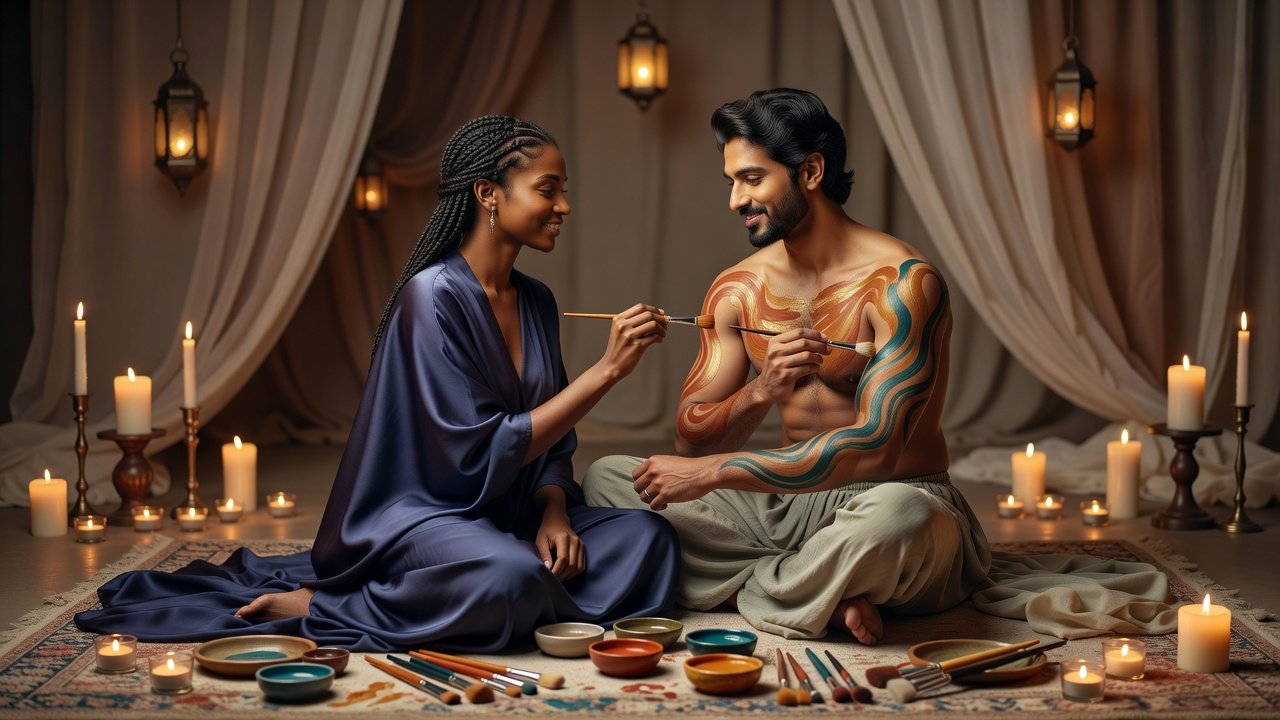
Introduction to Artistic Tantra
In 2026, holistic wellness trends emphasize expressive, creative approaches to personal care, particularly in the realm of erotic wellness. Artistic tantra blends traditional tantric principles with visual and movement-based arts such as drawing, painting, and embodied creation. This fusion supports deeper sexual mindfulness by engaging the senses, emotions, and imagination beyond conventional rituals. Readers seeking innovative pleasure self-care methods will find this approach transformative for long-term intimacy and self-connection. The practice draws from ancient Eastern traditions while incorporating modern psychological insights, making it especially relevant amid growing interest in mindful sexuality and creative self-expression.
Traditional tantra focuses on breath, touch, and energy flow. When combined with artistic expression, it amplifies psychological engagement and fosters mindful presence during intimate moments. Many individuals report that adding creative elements helps break through mental blocks that standard sessions sometimes encounter, leading to more profound states of relaxation and heightened sensory awareness.
Psychological Benefits of Creative Tantra
Integrating creativity into tantric practices yields significant mental health advantages. Artistic activities stimulate the brain's reward centers, reducing anxiety around sexuality while promoting body positivity. Studies from authoritative sources highlight how expressive therapies enhance emotional regulation and mindfulness. American Psychological Association resources underscore the role of creative outlets in improving sexual satisfaction and reducing performance pressure. Additional insights from global health perspectives show that combining movement and art with breathwork can lower cortisol levels and improve overall emotional resilience.
Participants often report heightened self-awareness and reduced shame, leading to more fulfilling erotic experiences. The combination encourages non-judgmental exploration, aligning with 2026 trends in expressive wellness for sustained sexual mindfulness gains. Over time, practitioners notice improvements in self-esteem and the ability to communicate desires more openly, which strengthens both solo and partnered intimacy. This approach also supports neuroplasticity by engaging multiple brain regions simultaneously, fostering lasting changes in how individuals perceive pleasure and connection.
Step-by-Step Guide to Setting Up an Art-Infused Tantric Session
Creating a dedicated space is essential. Follow these practical steps for a safe, immersive experience:
- Choose a private, comfortable room with soft lighting, temperature control around 72 degrees Fahrenheit, and minimal distractions such as phones or external noise.
- Gather materials including non-toxic body paints, high-quality sketchbooks, soft brushes, colored pencils, and comfortable fabrics for movement-based creation.
- Set intentions through shared breathing exercises lasting five to ten minutes, focusing on synchronized inhales and exhales to establish energetic alignment.
- Incorporate movement by allowing free-form dance or gestures before introducing art tools, allowing the body to release tension naturally.
- Alternate between touch, breath, and creative expression, pausing every ten minutes for reflection and verbal check-ins on sensations.
- Conclude with gentle integration, discussing sensations without judgment and perhaps journaling immediate impressions.
Always prioritize consent and communication throughout every phase to maintain emotional safety.
Real-World Examples of Blending Visual Expression with Breath and Touch
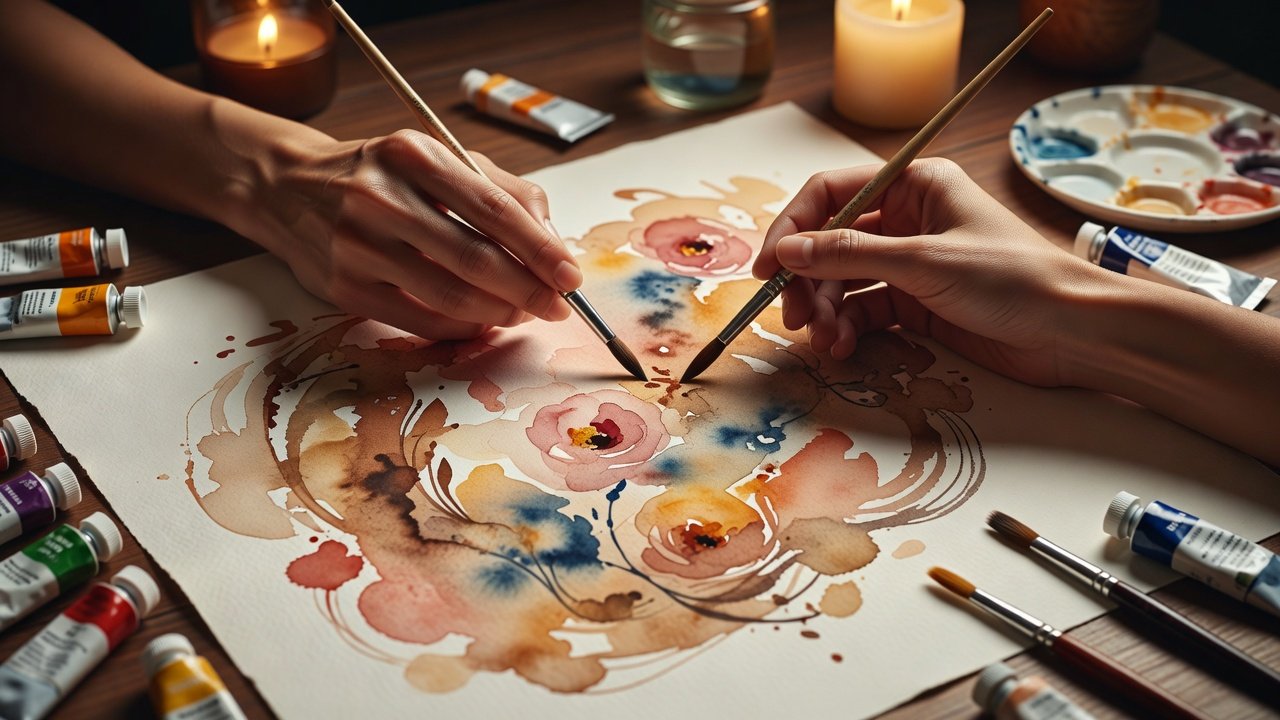
One effective example involves partners using watercolor on skin during synchronized breathing. As one partner inhales deeply, the other applies light strokes, syncing artistic flow with energy movement. This creates a meditative state that heightens sensory awareness and allows visual feedback to reinforce physical sensations. Another approach uses collaborative drawing on large paper while maintaining eye contact and gentle touch, where each line represents shared energy exchange. Movement-based creation, such as tracing body outlines with fingers dipped in safe pigments, merges kinesthetic art with tantric touch. A third example features solo practitioners painting abstract representations of their breath patterns on canvas, then incorporating slow, deliberate movements that mirror the strokes. These methods elevate standard practices by adding layers of visual feedback and creative flow that deepen erotic mindfulness.
Comparisons to Traditional Non-Creative Approaches
Standard tantra sessions emphasize stillness and internal focus. Artistic tantra introduces external expression, which can accelerate emotional release and sustain engagement over longer periods. While traditional methods excel in deep meditation and energy cultivation, creative variants offer variety that prevents routine and supports diverse learning styles. Many practitioners find the hybrid model more accessible for beginners exploring erotic wellness. Research comparisons indicate that adding artistic components increases session retention rates and reported satisfaction levels, particularly for those who struggle with purely internal focus. However, traditional approaches may suit individuals preferring minimal external stimuli. Ultimately, blending both yields optimal results for most people seeking comprehensive sexual mindfulness.
Practical Tips on Materials and Safety Considerations
Select water-based, hypoallergenic paints and avoid anything with harsh chemicals or allergens. Test materials on small skin areas first and have removal wipes ready. Maintain hygiene by using dedicated tools for each session and cleaning surfaces thoroughly afterward. Safety includes establishing clear boundaries beforehand and having a safe word ready for immediate pauses. Hydration and scheduled breaks prevent fatigue during extended sessions. Additional considerations involve ensuring proper ventilation when using any pigments and consulting a medical professional if any skin sensitivities exist. These measures ensure the practice remains empowering, inclusive, and risk-free for all participants.
FAQ: Common Beginner Concerns
- Is artistic tantra suitable for couples or solo practice? Both work well; solo sessions focus on self-portraiture and personal breathwork while couples benefit from shared creative dialogue.
- What if I lack artistic skills? The emphasis is on process, not perfection—free expression matters most and skill development occurs naturally over repeated sessions.
- How long should sessions last? Start with 30-45 minutes and build gradually to 90 minutes as comfort increases.
- Are there age or health restrictions? Practices suit consenting adults in good health; consult a healthcare professional for any medical concerns before beginning.
- Can this replace traditional therapy? Artistic tantra complements professional support but does not substitute for licensed counseling when deeper issues arise.
Conclusion
Artistic tantra represents an evolving frontier in 2026 erotic wellness, merging creativity with ancient wisdom for profound sexual mindfulness. By incorporating these methods, individuals and couples can achieve deeper connections and lasting personal growth. The structured yet flexible nature of art-infused sessions provides practical pathways toward sustained pleasure and emotional well-being. Explore responsibly, remain open to experimentation, and enjoy the journey of expressive discovery that continues to gain momentum in contemporary holistic practices.
No comments yet. Be the first!