 Spicy Trip
Introduction to Personalized Erotic Wellness Through Tantra
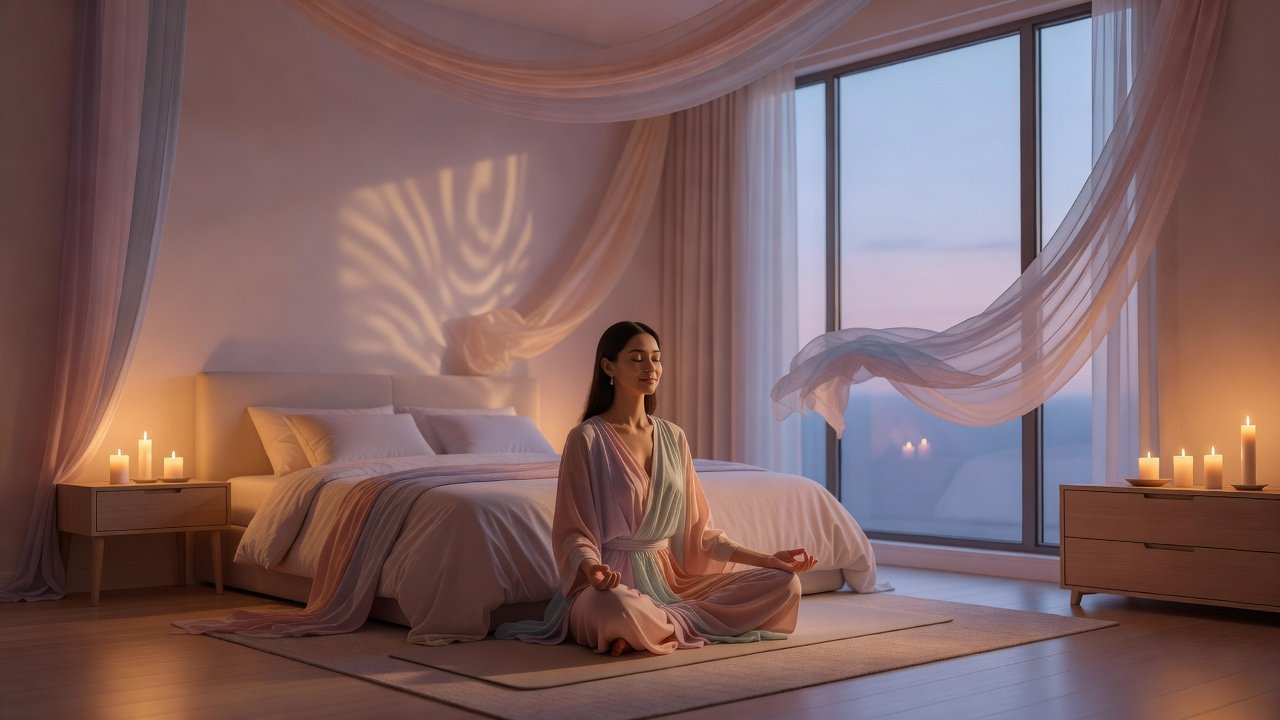
In 2026, more people are seeking holistic approaches to intimate well-being that go beyond generic routines. A personalized erotic wellness plan rooted in tantra combines breathwork, mindful touch, and pleasure-focused self-care to align with your unique desires, boundaries, and lifestyle. This guide provides practical steps to assess your needs, select core practices, and build a sustainable weekly structure that supports long-term fulfillment and deeper self-awareness.
Tantra emphasizes presence and energy flow, making it ideal for integrating erotic elements into daily life without pressure. Whether you are single or partnered, this approach fosters deeper self-connection and relational harmony. Research from authoritative sources like Mayo Clinic highlights how mindfulness practices improve overall wellness, including emotional and physical intimacy. By tailoring the plan, individuals often report increased vitality, reduced stress, and greater satisfaction in their personal lives compared to one-size-fits-all wellness programs.
Self-Assessment: Identifying Desires and Boundaries
Begin by reflecting on your current relationship with pleasure and intimacy. Set aside 30 minutes in a quiet space to journal answers to key questions: What sensations bring you joy? Where do you feel blocks around touch or vulnerability? What time commitments feel realistic given your schedule? Consider physical, emotional, and energetic dimensions. For example, rate your comfort with solo exploration versus shared experiences on a scale of 1-10. Note any past experiences that shape your boundaries, such as preferences for lighting, duration, or specific practices.
This assessment creates a foundation tailored to your goals, whether stress reduction, enhanced sensitivity, or deeper connection. A practical template includes columns for current satisfaction level, desired outcomes, potential obstacles, and available time slots. Revisit this self-assessment monthly to track evolution. Tools like simple spreadsheets or dedicated journals help log patterns over time, allowing adjustments based on real progress rather than assumptions.
Selecting Core Elements for Your Plan
Choose 3-5 foundational practices that resonate with your assessment results. Common tantra-inspired elements include mindful breathing to heighten awareness, conscious touch exercises focusing on non-genital areas first, and integration of movement or sound for energy release. Breath integration involves techniques like circular breathing to build arousal gradually—start with five minutes of slow inhales and exhales, then extend sessions as comfort grows.
Mindful touch might start with self-massage using warm oils, progressing to partnered exploration if applicable. Add pleasure self-care rituals such as setting intentions before solo sessions or creating sensory environments with soft lighting and music. These elements differ from generic wellness by incorporating erotic energy, leading to more holistic benefits. Compare them directly: standard meditation builds focus, while tantric breathwork layers sensual awareness for amplified results.
Building a Sustainable Weekly Structure
Design a flexible schedule that fits your life. Aim for 3-5 dedicated sessions per week, ranging from 15 to 45 minutes each. A sample template for busy professionals might look like this: Monday 20-minute breathwork in the morning, Wednesday mindful touch in the evening, Friday reflective journaling, and weekend extended combined practice. For parents or shift workers, adapt to micro-sessions of 10 minutes integrated into existing routines like post-commute wind-downs.
Use tracking methods such as habit apps or a simple calendar to note completion and sensations experienced. Include metrics like energy levels before and after, emotional state, and any insights gained. This data-driven approach ensures the plan remains effective and motivating over months.
Adapting the Plan for Singles Versus Partners
Singles benefit from focusing on self-pleasure and energy cultivation to build confidence and body awareness. Practices emphasize solo rituals that prepare for future connections, such as daily breath sequences to enhance sensitivity. Real-life example: A single teacher uses 15-minute evening sessions to release work stress and reconnect with personal desires.
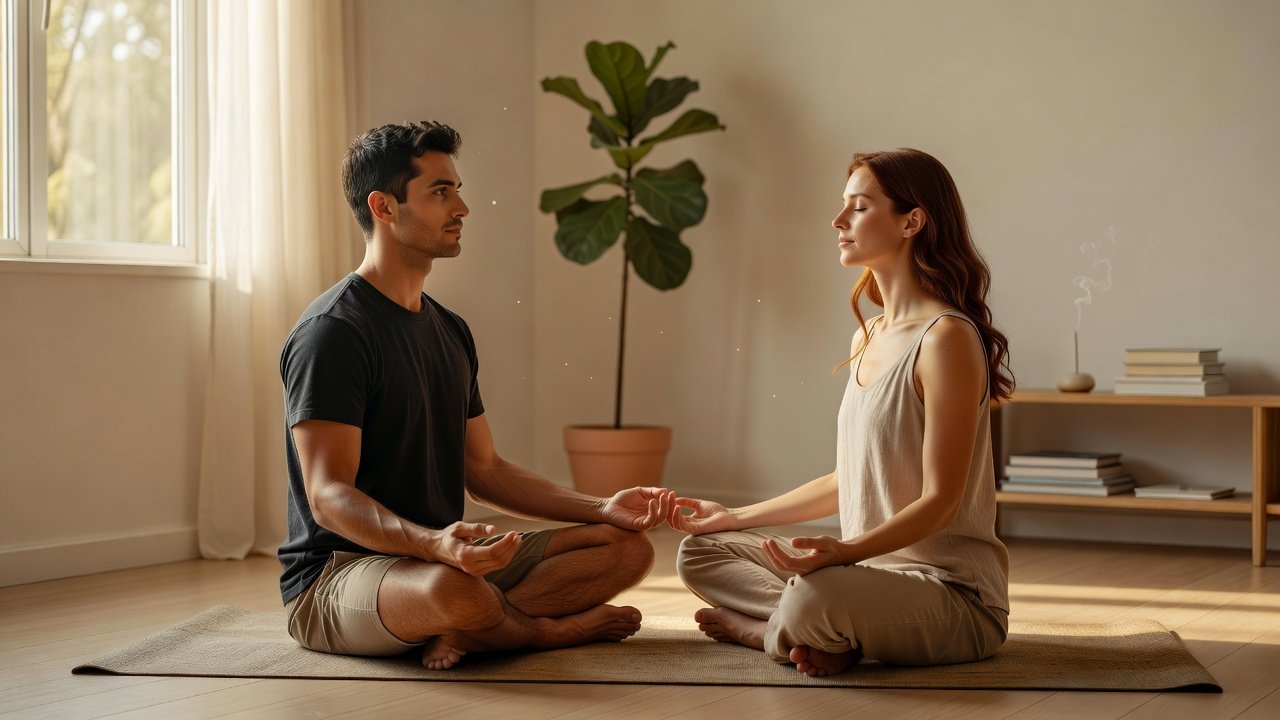
Partners should incorporate communication check-ins before and after sessions. Co-create elements like synchronized breathing or mutual touch maps. Example: A couple in their 40s schedules two tantra evenings monthly, alternating leadership roles to balance dynamics. This adaptation strengthens relational bonds while honoring individual needs, unlike generic couple wellness that often overlooks erotic specifics.
Real-Life Examples Across Lifestyles
Consider a parent with young children who integrates 15-minute morning breath practices before the household wakes, using a dedicated corner of the bedroom. A remote worker might blend mindful movement into lunch breaks with headphones for guided audio. An older adult adapting for mobility focuses on seated breathwork and gentle touch. These adaptations demonstrate how tantra scales across demanding schedules, unlike rigid wellness programs that fail to account for life variability.
Mistakes to Avoid When Starting
Common pitfalls include rushing into advanced techniques without mastering basics, ignoring body signals during sessions, or comparing progress to others. Avoid overloading the weekly structure—begin with two sessions and build gradually. Skipping tracking leads to forgotten insights, so maintain consistent logs even for short practices.
Troubleshooting Common Obstacles
Consistency challenges often stem from unrealistic expectations. Start small and celebrate micro-progress with rewards like favorite tea afterward. Emotional blocks may arise during vulnerability exercises; address them by pausing and returning to breath awareness or grounding techniques. If motivation wanes, revisit your initial assessment to reconnect with core desires. Physical discomfort calls for modifying positions or consulting a healthcare provider for underlying issues.
Frequently Asked Questions
How do I maintain consistency with a busy schedule?
Anchor practices to existing habits, such as post-shower rituals. Even five minutes daily builds momentum over sporadic longer sessions, and apps with reminders help sustain the habit.
What if emotional blocks surface during practice?
Acknowledge feelings without judgment. Gentle breathing or grounding techniques from Mindful.org can help process emotions safely and restore calm.
Can this plan replace professional therapy?
Tantra practices complement but do not substitute professional support. Consult qualified therapists for deeper issues, as recommended by health authorities like the World Health Organization.
How does this differ from standard self-care?
Generic routines lack the erotic and energetic focus that tantra provides, leading to more profound pleasure integration and personal insight over time.
Is tantra suitable for all ages and abilities?
Yes, with modifications for mobility or health conditions. Focus on breath and intention rather than physical intensity to ensure accessibility.
Conclusion
Creating a personalized erotic wellness plan with tantra empowers you to cultivate intentional pleasure and presence. By following these steps—assessment, element selection, structured scheduling, and ongoing adaptation—you develop a practice that evolves with your life. Begin today with one small step to experience the transformative potential and sustained well-being it offers.

No comments yet. Be the first!