 Spicy Trip

Understanding Post-Event Integration
After attending sex-positive parties and kink events in 2026, many participants find that the real work begins once the event ends. Post-event integration helps process intense experiences, reinforce positive learnings like orgy etiquette, and support ongoing emotional health. This comprehensive guide provides practical strategies for emotional debriefing, reflection methods, and community building to ensure you leave events feeling grounded and empowered. Integration is not just about reflection but about translating event experiences into sustainable personal growth and stronger relationships.
Emotional Debriefing Techniques
Effective debriefing starts immediately after the event. Begin by creating a quiet space to sit with your feelings without judgment. Techniques include deep breathing exercises combined with body scans to identify areas of tension or excitement. Many find that verbal processing with a trusted friend helps externalize emotions that might otherwise linger. Always prioritize consent when sharing details from the event. Additional methods involve progressive muscle relaxation or guided audio meditations tailored to kink-aware audiences. For instance, one attendee used a 10-minute breathing sequence followed by noting physical sensations, which clarified lingering arousal or discomfort from boundary explorations during the party.
Journaling Prompts for Reflection
Journaling offers a private way to unpack experiences. Use these prompts: What surprised me most about my reactions? How did I uphold or learn from orgy etiquette? What boundaries felt strong, and which need adjustment? What emotions surfaced the next morning, and why? Writing for 15-20 minutes daily in the first week post-event can reveal patterns and reinforce personal growth. Expand prompts with specifics such as describing one interaction in detail or rating your comfort level on a scale of one to ten for each activity. This structured approach turns vague memories into actionable insights for future events.
Partner Discussions and Org y Etiquette Reinforcement
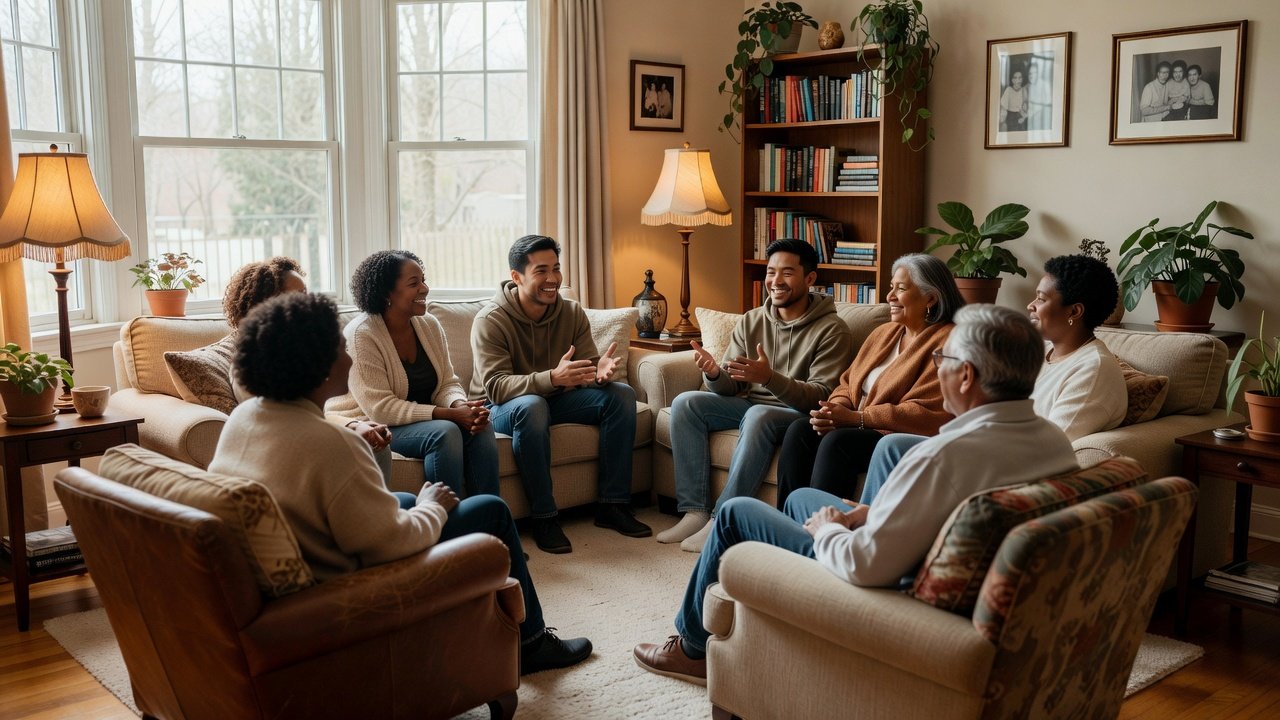
Discussing the event with partners strengthens relationships and solidifies etiquette lessons. Schedule a dedicated conversation within 48 hours, focusing on what felt good, what could improve, and any new boundaries. This mirrors best practices from consent education resources and helps prevent misunderstandings. Prepare by listing three highlights and three areas for growth. Real-world examples show couples who revisited specific scenes from the party discovered shared preferences they had not articulated before, leading to clearer communication and deeper trust outside the event setting.
Recognizing Aftercare Needs Beyond the Event
Aftercare extends past the venue. Watch for signs like fatigue, emotional highs followed by lows, or a desire for extra connection. Needs might include physical rest, hydration routines, or scheduled downtime. Recognizing these early prevents burnout and supports long-term wellness. Some participants benefit from creating a post-event care kit containing favorite snacks, a weighted blanket, and contact information for supportive friends. Tailor aftercare to your experience level; newcomers often require more structured check-ins while veterans may focus on subtle emotional cues.
Handling Unexpected Feelings
Unexpected emotions such as jealousy, regret, or euphoria are common. Acknowledge them without self-criticism, then apply grounding techniques like mindfulness or light physical activity. If feelings persist beyond two weeks, consider professional support from a kink-aware therapist. Consider the example of an attendee who felt sudden possessiveness after seeing their partner engage with others; through targeted journaling and a follow-up discussion, they reframed the emotion as excitement rather than threat. Another participant experienced post-event sadness despite a positive experience and used a gratitude list to balance perspective.
Solo Versus Group Reflection Methods
Solo reflection allows deep personal insight through journaling or meditation, while group methods like peer debrief circles provide external perspectives and validation. For example, one participant processed a boundary success alone via prompts, gaining clarity on personal limits, whereas another joined a small online group for shared stories that highlighted etiquette improvements across different events. Solo methods suit introverts who need uninterrupted time, while group formats work well for extroverts seeking community feedback. Compare outcomes by tracking which method leads to clearer boundary adjustments or reduced anxiety in the following week. Hybrid approaches, starting solo then moving to group, often yield the most balanced results.
Building Long-Term Community Connections
Integration fosters lasting ties. Attend follow-up munches or online forums hosted by event organizers to stay connected. These spaces reinforce etiquette norms and offer ongoing support. Resources like the World Health Organization emphasize community for mental health, while the Centers for Disease Control and Prevention highlights social support networks. The National Institutes of Health also provides guidance on relational well-being that applies to sex-positive lifestyles. Consistent engagement turns one-time event attendees into active community members who model strong etiquette for newcomers.
Practical Steps and Sample Integration Checklist
Follow these steps for thorough integration: 1. Schedule debrief time within 24 hours. 2. Journal using targeted prompts. 3. Discuss with partners. 4. Identify aftercare actions. 5. Monitor emotions for a week. 6. Plan one community reconnection. Sample checklist includes confirming all boundaries were respected, noting three positive takeaways, identifying one etiquette lesson applied, scheduling self-care activities for the next three days, and listing any follow-up questions for future events. Review the checklist weekly for the first month to track progress and adjust strategies as needed.
FAQs About Maintaining Boundaries Post-Event
How soon should I check in with partners? Within one to two days to keep communication fresh. What if I feel disconnected? Reach out to community resources or a trusted contact for gentle reconnection. Can integration improve future events? Yes, by highlighting what works and what requires refinement. Is professional help ever needed? If emotions feel overwhelming or interfere with daily life, yes. How do I handle social media mentions of the event? Set clear boundaries beforehand and review posts together. What if a boundary violation surfaces later? Document it privately and address it directly with involved parties using calm, factual language.
Conclusion
Thoughtful post-event integration transforms intense experiences into lasting personal growth. By combining debriefing, reflection, and community ties, you honor orgy etiquette learnings while protecting your well-being long after 2026 play parties end. Consistent practice builds resilience and enriches future participation in sex-positive spaces.

No comments yet. Be the first!