 Spicy Trip

Introduction to Sacred Touch in Tantric Erotic Wellness
Sacred touch forms the foundation of tantric practices aimed at enhancing erotic wellness and self-care. Unlike casual contact, it emphasizes intention, presence, and energy exchange to foster deeper body awareness and pleasure. Readers searching for mindful ways to improve intimacy often seek practical methods beyond basic rituals, focusing on solo and partnered applications that promote lasting connection and heightened sensitivity. This approach integrates sexual mindfulness, helping individuals move past performance anxiety toward authentic sensation. By 2026, interest in these techniques has grown among those prioritizing holistic wellness, supported by broader recognition of mind-body practices for sexual health. Many people discover that regular sacred touch sessions lead to improved emotional regulation, reduced stress, and more satisfying intimate experiences overall.
The practice draws from ancient traditions but adapts easily to modern lifestyles. It encourages practitioners to view the body as an energetic system where touch can release blockages and amplify pleasure. Whether practiced alone or with a partner, the emphasis remains on non-judgmental exploration and mutual respect.
Core Principles of Intentional Touch
Intentional touch requires full attention to the present moment. Practitioners focus on breath, eye contact, and slow movements to build trust and arousal gradually. Key elements include maintaining warmth in the hands, varying pressure based on feedback, and avoiding goal-oriented outcomes. This differs from routine interactions by treating the body as a sacred vessel for energy flow. Additional principles involve cultivating gratitude for the body, using visualization to direct energy, and creating a safe container through clear communication before beginning.
Real-world examples show couples reporting heightened sensitivity after consistent practice, such as one partner noticing subtle responses in erogenous zones previously overlooked. Solo application builds personal awareness first, preparing for shared experiences. For instance, a busy professional might dedicate morning sessions to self-touch that improves focus throughout the day.
How Sacred Touch Compares to Standard Massage
Standard massage targets muscle tension relief through kneading and oils, often in clinical settings. Sacred touch, however, incorporates energetic awareness and prolonged holding to stimulate subtle pleasure centers. It blends therapeutic elements with erotic potential, using circular strokes or feather-light caresses to awaken the senses rather than just relax tissues. Comparisons highlight that while massage reduces physical stress, sacred touch also nurtures emotional intimacy and mindfulness. Many find it extends session benefits into daily life, improving overall body confidence and relational dynamics. The distinction becomes clear in pace: standard massage often follows a structured routine, whereas sacred touch flows organically based on real-time sensations and feedback.
Preparing Your Space and Mindset for Sacred Touch
Effective sessions begin with intentional preparation. Choose a quiet, warm room with soft lighting, perhaps using candles or dim lamps. Gather props like natural oils, comfortable cushions, and clean linens. Mentally set an intention, such as exploring pleasure without expectations. Ground yourself with five minutes of deep breathing to clear mental clutter. These steps create an environment conducive to presence and reduce external distractions that could interrupt flow.
Beginner-Friendly Sequence of 4 Techniques
Start with these accessible exercises, practicing 15-20 minutes daily. Always begin with consent discussions and end with reflection. Each technique builds progressively, allowing practitioners to develop sensitivity over time.
- Breath-Synchronized Stroking (Solo or Partnered): Sit comfortably and synchronize breathing. Use open palms to stroke along the arms or legs in rhythm with inhales and exhales. This builds foundational presence and energy circulation. Example: A solo practitioner might notice warmth spreading from limbs to core after several cycles, fostering relaxation before advancing to more intimate areas.
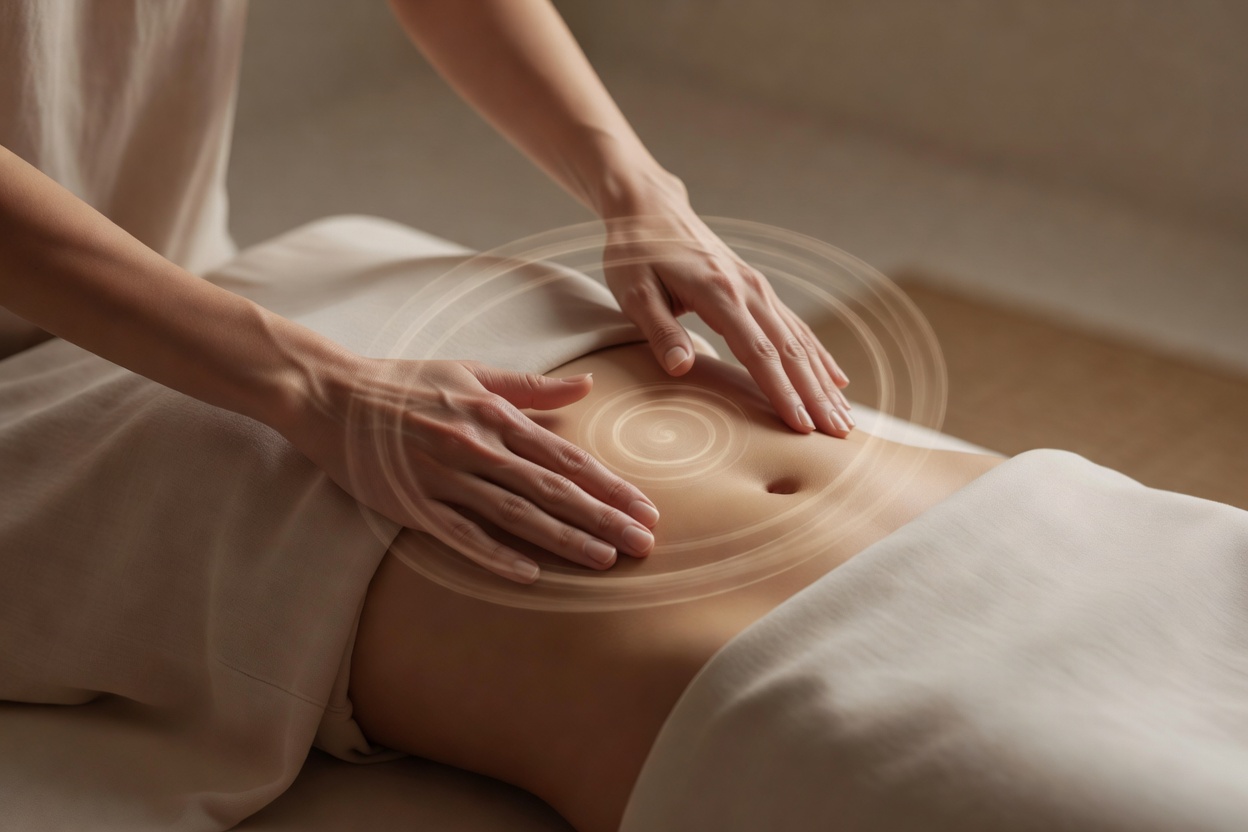
- Heart-Centered Holding (Partnered): Place one hand on the heart and the other on the belly. Hold gently while visualizing warmth transferring between bodies. Ideal for deepening emotional bonds before more intimate contact. Partners often report increased feelings of safety and openness after repeated use.
- Spiral Energy Circles (Solo): Trace slow spirals on the abdomen or thighs with fingertips. Focus on sensations without rushing, noting any shifts in arousal or relaxation to enhance self-awareness. Beginners can start with eyes closed to heighten internal focus and gradually incorporate breathing patterns.
- Full-Body Wave Touch (Partnered): Apply long, flowing strokes from shoulders to feet using the whole hand. Alternate between firm and light pressure, responding to verbal or nonverbal cues for mutual pleasure. This technique excels at creating full-body arousal waves that can lead to extended states of bliss when practiced mindfully.
Tips for Maintaining Consent and Presence
Consent remains ongoing; check in verbally every few minutes with questions like "How does this feel?" Presence involves minimizing distractions—dim lights, silence phones, and practice grounding breaths beforehand. Common pitfalls include rushing or assuming preferences; instead, observe micro-expressions and adjust accordingly. Tips for success include setting a timer only if needed for structure, using affirmations like "I am fully here," and pausing to reconnect if minds wander. Real-world examples illustrate success when boundaries are respected, leading to more profound sessions even with time constraints of 10-15 minutes. Individuals with varying sensitivity levels benefit from starting slow and scaling intensity based on daily energy.
Integration with Sexual Mindfulness
Combine sacred touch with mindfulness by focusing solely on tactile sensations during intimacy. This reduces mental chatter and amplifies pleasure. Studies from reputable sources link such practices to improved sexual satisfaction and reduced anxiety. For instance, Mayo Clinic resources emphasize mindful touch for stress reduction, while WHO guidelines on mental health support body awareness techniques for overall wellness. Additional integration occurs through post-session journaling to track progress and insights gained during practice.
Benefits, Common Mistakes, and Adjustments
Practitioners often experience enhanced body confidence, better sleep, and stronger relational bonds. Common mistakes include forcing outcomes or neglecting aftercare; avoid these by emphasizing process over results and always concluding with gentle closure. Adjustments for sensitivity involve lighter touch or clothing barriers, while time-pressed users can incorporate elements into daily routines like evening wind-downs. Solo practitioners may extend benefits by combining with breathwork from established wellness approaches referenced at National Institutes of Health.
Frequently Asked Questions
What if I feel too sensitive during touch?
Reduce intensity and focus on non-erogenous areas first. Gradual exposure builds tolerance over sessions, often leading to greater enjoyment.
How do I fit this into a busy schedule?
Short 10-minute practices yield benefits; consistency matters more than duration. Micro-sessions during breaks can accumulate meaningful progress.
Is sacred touch suitable for all relationship types?
Yes, with clear communication—it adapts to solo, monogamous, or open dynamics while respecting individual comfort levels.
Can sacred touch help with performance anxiety?
Absolutely; the non-goal-oriented nature shifts focus to sensation, easing pressure and fostering natural arousal.
Conclusion
Sacred touch techniques offer transformative paths to tantric erotic wellness through mindful, intentional practice. By mastering these methods, individuals enhance pleasure, intimacy, and self-care in sustainable ways. Begin today with the outlined sequence for meaningful progress and continued exploration of your body's potential.

No comments yet. Be the first!