 Spicy Trip
Introduction to Elevated Sensual Travel in 2026
Experienced couples are moving beyond standard romantic getaways toward curated erotic vacations that prioritize profound emotional and physical bonds. In 2026, trends emphasize personalized sensory immersion and consent-centered frameworks that adapt to diverse destinations. This guide delivers practical steps for sensory enhancement, structured communication, and destination-specific activity curation, helping pairs transform travel into opportunities for deeper connection. The focus remains on actionable methods drawn from wellness practices and real retreat experiences rather than generic advice.
Sensory Enhancement Exercises for Deeper Connection
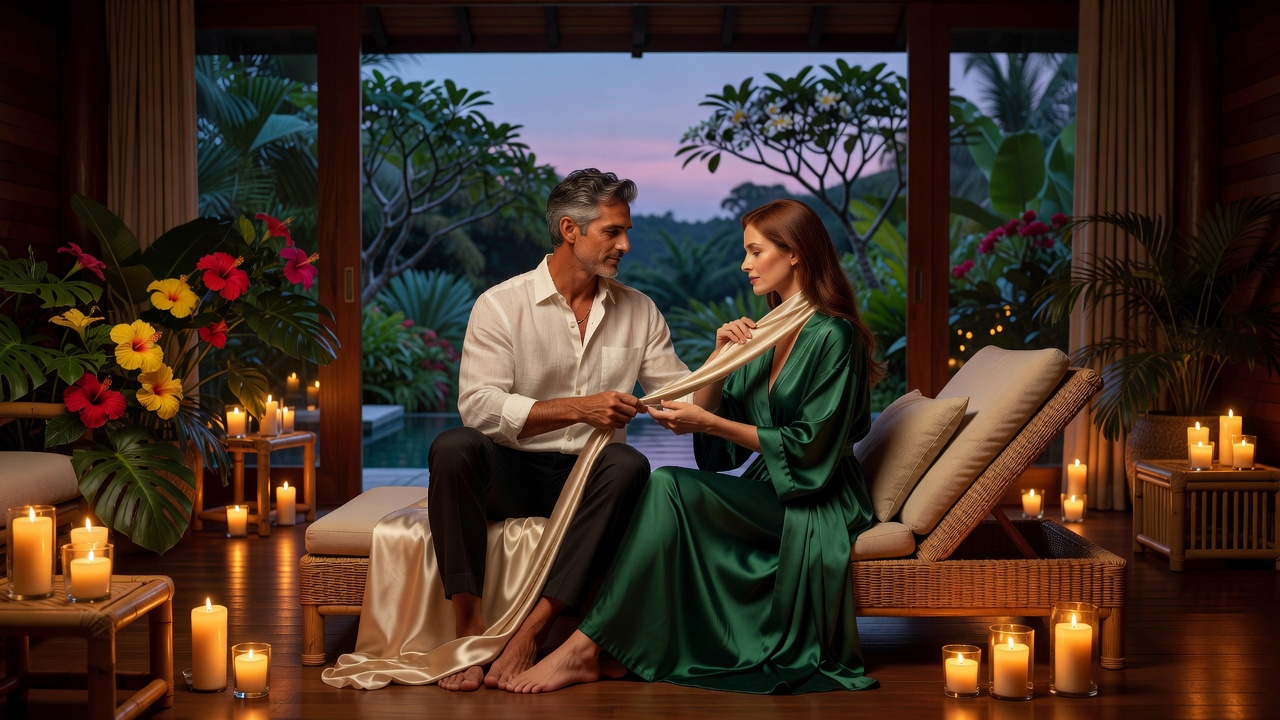
Start with guided blindfold sessions using temperature play and textured fabrics to heighten awareness. Couples report stronger arousal responses when alternating feather strokes with ice cubes during private villa evenings. Incorporate soundscapes from local environments, such as ocean waves or rainforest ambiance, to anchor the experience in the destination itself. Advanced variations include synchronized breathing patterns where partners match inhalations and exhalations for five-minute intervals before progressing to touch. These exercises build anticipation and sensitivity while remaining adaptable to individual comfort levels.
Practical Steps for Sensory Sessions
Prepare by selecting three contrasting textures such as silk, velvet, and natural fiber cloths sourced locally. Begin each session with a five-minute grounding meditation focused on breath. Progress gradually from non-genital areas to more intimate zones only after mutual verbal confirmation. Document observations in a shared journal to refine future sessions. This method ensures progressive escalation without overwhelming either partner.
Mindful Communication Frameworks
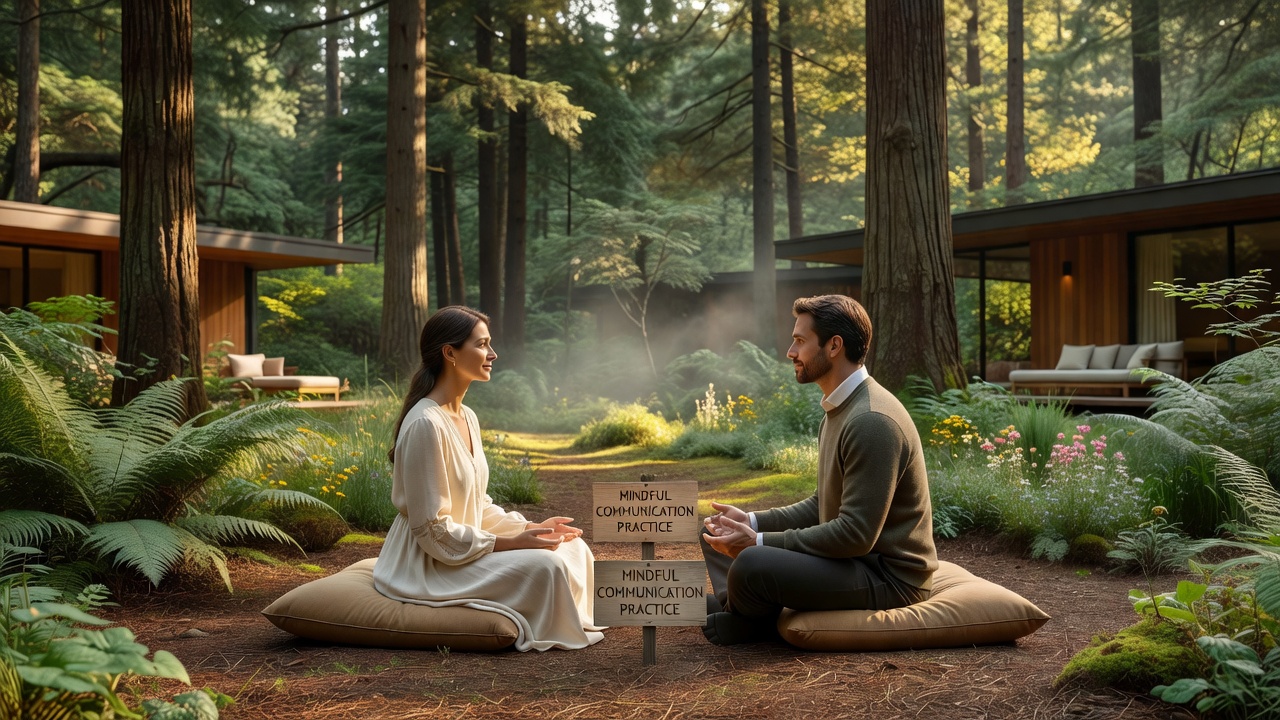
Implement the "pause-reflect-respond" model before and during intimate moments. Schedule daily 15-minute check-ins where each partner shares one desire and one boundary without judgment. This framework reduces misunderstandings and builds trust, especially in unfamiliar cultural settings abroad. Expand the model with active listening drills where one partner describes sensations while the other mirrors them back verbatim. Over time, these drills translate into fluid non-verbal exchanges during travel activities.
Real-world application appears at lesser-known retreats like those in Costa Rica's cloud forests, where facilitators teach non-verbal cue mapping to maintain privacy while traveling with groups. Similar approaches at remote European estates incorporate written intention cards exchanged at the start of each day to align expectations.
Curated Activity Planning with Actionable Checklists
- Pre-trip: Research local consent laws and select destinations with strong privacy protections. Review cultural norms around public displays of affection to avoid unintended discomfort.
- Daily: Alternate active exploration with restorative downtime to prevent sensory overload. Include at least one solo reflection period per person to process individual experiences.
- Evening: Layer one new technique, such as synchronized breathing, onto familiar routines. End each night with a brief gratitude exchange focused on shared sensations.
- Post-activity: Debrief using a simple three-question template covering what felt connective, what could improve, and what to repeat.
Compare technique applications across locations: European countryside villas favor slow, lingering touch sequences suited to cooler climates and historic settings, while tropical island environments suit dynamic water-based sensory play involving natural elements like sea salt and warm breezes. Asian wellness destinations often integrate movement-based practices such as partner yoga flows adapted for intimacy.
Real-World Examples from Lesser-Known Couples Retreats
One couple documented their experience at a small forest retreat in Portugal where daily sensory workshops combined local olive oil massages with guided visualization. The structured environment allowed them to practice consent signals discreetly during group dinners. Another pair attended a Caribbean hideaway emphasizing water-element exercises, reporting enhanced emotional closeness after adapting ice-play techniques to ocean dips at sunset. These examples highlight how location-specific resources amplify standard exercises.
Comparisons of Technique Applications Across Destinations
Destinations differ in how they support advanced intimacy work. Mountain retreats encourage grounding techniques tied to natural elements like stones and streams, fostering a sense of rooted connection. Urban boutique properties provide controlled environments for experimenting with light and sound equipment. Coastal locations excel at temperature contrast play due to ready access to warm sand and cool water. Couples should match techniques to the sensory profile of each place for optimal results.
2026 Trends in Erotic Vacations
Emerging patterns include wellness-integrated retreats blending tantra with adventure sports and technology-assisted intimacy tools that remain offline for privacy. Focus remains on customization rather than generic packages. Many programs now incorporate elements of global sexual health guidelines to ensure safety alongside pleasure. Others draw from evidence-based mindfulness resources to structure daily practices. These shifts reflect growing demand for experiences that combine adventure with intentional intimacy work.
Practical Steps and Checklists for Implementation
Begin planning four to six weeks ahead by listing three core intentions for the trip. Create a shared digital folder containing consent scripts, local emergency contacts, and activity ideas. During travel, maintain a portable kit with approved sensory items and a small notebook for reflections. After returning home, schedule a follow-up discussion to integrate lessons into everyday life. This structured approach maximizes the lasting impact of the vacation.
FAQ: Consent, Privacy, and Customization
How do we maintain consent on shared retreats? Use color-coded wristbands or private signals established beforehand. Reaffirm boundaries at the start of each new activity.
What privacy measures matter most? Choose properties with private entrances and encrypted communication apps for planning. Confirm staff training on discretion before booking.
Can techniques be tailored for different experience levels? Yes, begin with 10-minute sessions and scale based on comfort feedback. Introduce one variable at a time to monitor responses.
How do cultural differences affect communication frameworks? Research local customs and adapt verbal check-ins to be more subtle where direct discussion may feel intrusive.
What if one partner feels overwhelmed during travel? Pause all activities and return to basic grounding exercises such as hand-holding or shared breathing until equilibrium returns.
Conclusion
Applying these advanced techniques transforms erotic vacations into transformative journeys. Begin planning your 2026 itinerary with one sensory exercise and one communication framework to start building deeper intimacy immediately. Consistent practice across varied destinations yields compounding benefits that extend well beyond the trip itself.
No comments yet. Be the first!