 Spicy Trip

Introduction to Sustainable Sensual Travel
As travelers increasingly seek meaningful connections with both their partners and the planet, sustainable sensual travel has emerged as a thoughtful way to combine intimacy with environmental responsibility. This approach focuses on erotic vacations that minimize ecological footprints while maximizing personal fulfillment. In 2026, couples are turning to destinations that emphasize conservation, community support, and mindful experiences rather than traditional high-impact resorts. Ethical adult travel options allow partners to enjoy private moments without compromising local ecosystems or cultures. By choosing certified properties and low-emission activities, travelers can create lasting memories that align with global sustainability goals. This comprehensive guide delves into every aspect of planning such journeys, from initial research to post-trip reflection, ensuring your experience remains both passionate and planet-positive.
Why Eco-Friendly Erotic Vacations Matter in 2026
Traditional vacations often contribute to carbon emissions, habitat disruption, and cultural commodification. In contrast, sustainable sensual travel integrates wellness and intimacy with practices that protect biodiversity. This shift reflects growing awareness of climate impacts from tourism. UN Tourism highlights how responsible travel supports local economies while reducing harm. Beyond emissions, over-tourism in popular adult destinations strains water resources and generates waste that local communities must manage. Choosing eco-friendly alternatives helps preserve the very natural beauty that makes sensual escapes so appealing. Couples benefit from deeper connections fostered in natural settings, where privacy and relaxation enhance sensual experiences. This model promotes long-term viability for destinations popular with intimate travelers and encourages a global shift toward regenerative tourism practices.
Selecting Certified Eco-Lodges for Intimate Getaways
Choosing the right accommodation forms the foundation of any eco-conscious erotic vacation. Look for lodges certified by recognized bodies such as those emphasizing renewable energy, water conservation, and zero-waste policies. These properties often feature private villas with natural materials like bamboo and reclaimed wood, providing secluded spaces for couples. Key criteria include solar power usage, on-site organic gardens, and partnerships with local conservation projects. Properties in regions like Costa Rica or Botswana frequently meet these standards, offering immersive nature experiences without excess consumption. Practical tip: Verify certifications through official directories and read recent guest reviews focused on sustainability practices. Consider factors such as proximity to protected areas, staff training in environmental stewardship, and integration of local flora in landscaping to enhance privacy and ambiance.
Respecting Local Cultures During Sensual Activities
Intimacy in new environments requires sensitivity to local customs and norms. Research destination etiquette beforehand to ensure activities remain private and respectful. Many eco-lodges provide guidance on appropriate behavior, helping couples avoid unintended offense. Engage with communities through ethical tours or workshops that celebrate cultural heritage. This builds mutual respect and enriches the travel experience beyond physical pleasure. For example, learning basic phrases in the local language or participating in community-led conservation efforts demonstrates genuine interest rather than exploitation. Always prioritize consent and discretion when interacting with residents, recognizing that your presence contributes to the destination's social fabric.
Integrating Wellness Practices Like Mindful Intimacy Sessions
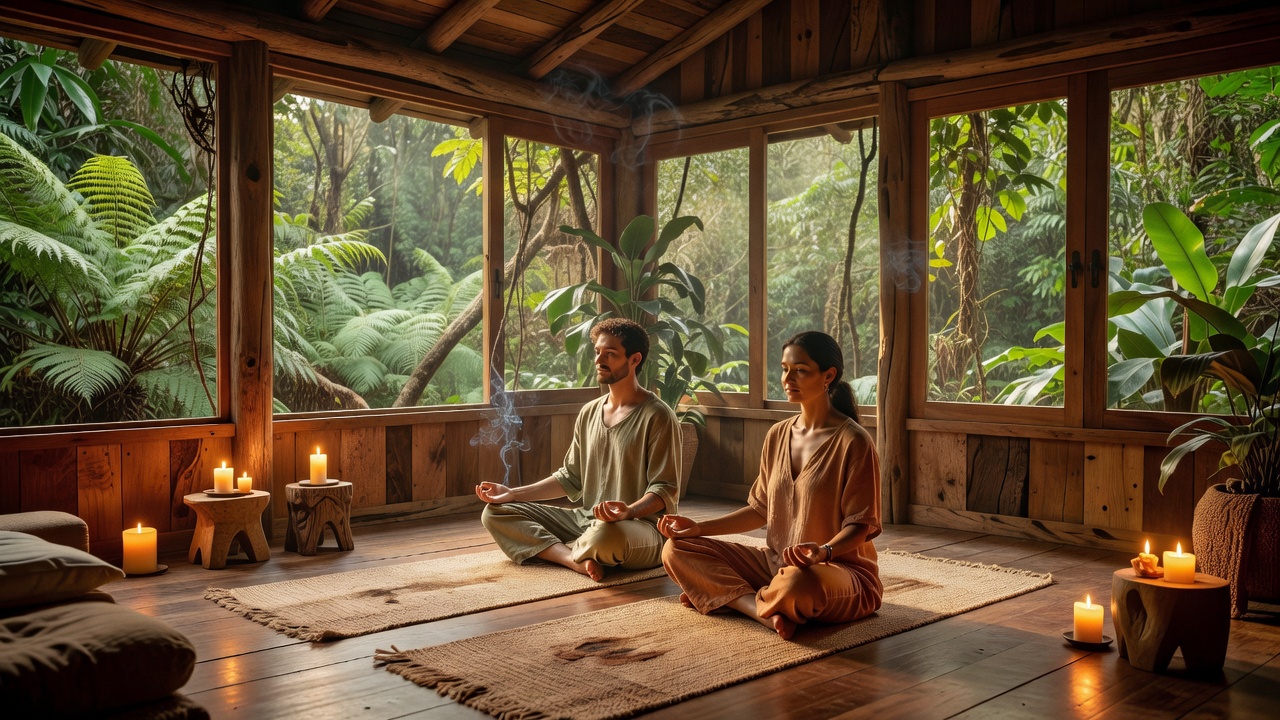
Wellness enhances sensual travel by fostering presence and connection. Mindful intimacy sessions, such as guided breathing exercises or couples' yoga adapted for privacy, deepen bonds while promoting relaxation. These practices often draw from holistic traditions and can be scheduled in serene natural surroundings. World Health Organization resources on mental well-being support integrating such approaches into travel routines for reduced stress and improved relational health. Expand your sessions with elements like forest bathing, sound healing using local instruments, or tantric-inspired communication exercises that emphasize emotional intimacy alongside physical connection. Many lodges now offer customizable wellness packages that include private instructors trained in both sustainability and sensual wellness modalities.
Practical Steps for Planning Low-Impact Trips
Follow these actionable steps to create a responsible itinerary. First, calculate and offset travel emissions using verified carbon programs before booking flights or ground transport. Opt for direct routes and regional eco-lodges to limit overall movement. Pack reusable items and choose lodges with refillable amenities to reduce plastic waste. Support local businesses by selecting dining and activities run by community members. Schedule downtime for digital detoxes that encourage focus on each other and the surroundings. Additional considerations include selecting transportation partners that use electric or hybrid vehicles where available, timing your visit during shoulder seasons to ease pressure on resources, and documenting your sustainable choices to inspire others upon return. These measures ensure the trip remains both pleasurable and planet-friendly while building habits that extend beyond the vacation.
Real-World Examples from Lesser-Known Regions
Explore emerging spots like the remote highlands of Ecuador or coastal areas of Namibia. In Ecuador, small-scale lodges offer private canopy suites amid cloud forests, allowing couples to enjoy intimate evenings while funding reforestation. Namibia provides desert eco-camps with stargazing platforms ideal for sensual connection under clear skies, all powered by renewables. Further examples include boutique properties in Slovenia's Julian Alps featuring geothermal heating and private hot springs sourced sustainably, or hidden retreats in Vietnam's northern mountains that combine rice-terrace views with zero-waste culinary experiences tailored for couples. These lesser-known areas deliver exclusivity without the crowds of mainstream destinations, preserving natural beauty for future visitors.
Comparisons of Carbon-Neutral Versus Traditional Adult Destinations
Carbon-neutral options prioritize renewable infrastructure and local sourcing, resulting in significantly lower emissions than conventional resorts reliant on imported goods and high-energy amenities. Traditional spots may offer more luxury but often at the cost of greater environmental strain and less authentic cultural immersion. Sustainable alternatives frequently provide comparable privacy with added benefits like educational nature programs. Couples report higher satisfaction from ethical choices that align values with experiences. When comparing, evaluate metrics such as water usage per guest, waste diversion rates, and contributions to local reforestation initiatives to make informed decisions that match personal priorities.
Mistakes to Avoid in Sustainable Sensual Travel
Common pitfalls include overlooking transportation emissions by opting for unnecessary internal flights, selecting properties that claim eco-status without third-party verification, and failing to research cultural sensitivities around public displays of affection. Another frequent error is overpacking single-use items instead of embracing the minimalism encouraged by green lodges. To sidestep these issues, create a pre-trip checklist that includes confirming all certifications, mapping low-impact routes, and consulting recent traveler forums for real-time insights on responsible operators.
Conclusion
Sustainable sensual travel represents a powerful intersection of personal pleasure and planetary care. By thoughtfully selecting accommodations, honoring local cultures, incorporating wellness, and following practical low-impact strategies, couples can craft 2026 getaways that feel both indulgent and responsible. The examples and comparisons provided demonstrate that ethical choices need not sacrifice intimacy or adventure. Start planning today with these principles in mind to ensure your next erotic vacation leaves a positive legacy.
FAQ: Common Concerns About Sustainable Sensual Travel
How is privacy maintained in eco-settings?
Many certified lodges design isolated villas with natural screening and soundproofing. Staff are trained in discretion, ensuring couples enjoy uninterrupted time. Additional features often include private entrances, high-walled gardens, and dedicated concierge services that coordinate activities without intrusion.
Is budgeting for green erotic vacations more expensive?
While some premium eco-properties command higher rates, overall costs can align with traditional trips when factoring in included wellness activities and reduced transport needs. Focus on value through community-supported experiences that often provide unique inclusions not found in conventional settings.
Can families or groups adapt these ideas?
Yes, many destinations offer flexible private accommodations suitable for various group sizes while maintaining sustainability standards. Multi-unit eco-villas allow shared spaces alongside individual privacy zones for different dynamics.
What if accessibility is a concern?
Research lodges with adaptive features; increasing numbers incorporate universal design alongside eco-practices. Contact properties directly to discuss specific mobility or sensory needs and confirm customized sustainable options.


No comments yet. Be the first!