 Spicy Trip
Introduction to Sexual Anatomy Basics
Sexual anatomy is the foundation of understanding pleasure, health, and intimacy. Whether you're exploring solo or with a partner, knowing your body's key structures empowers confident, enjoyable experiences. This beginner's guide covers essential male and female anatomy, their roles in pleasure and health, common misconceptions, and practical self-exploration tips. We'll keep it simple, educational, and sex-positive, drawing from reliable sex education principles.
Why learn this? Better body awareness leads to improved communication, safer practices, and enhanced satisfaction. Resources like Planned Parenthood's learning center emphasize anatomy as core to sexual health.
Female Sexual Anatomy: Key Structures and Functions
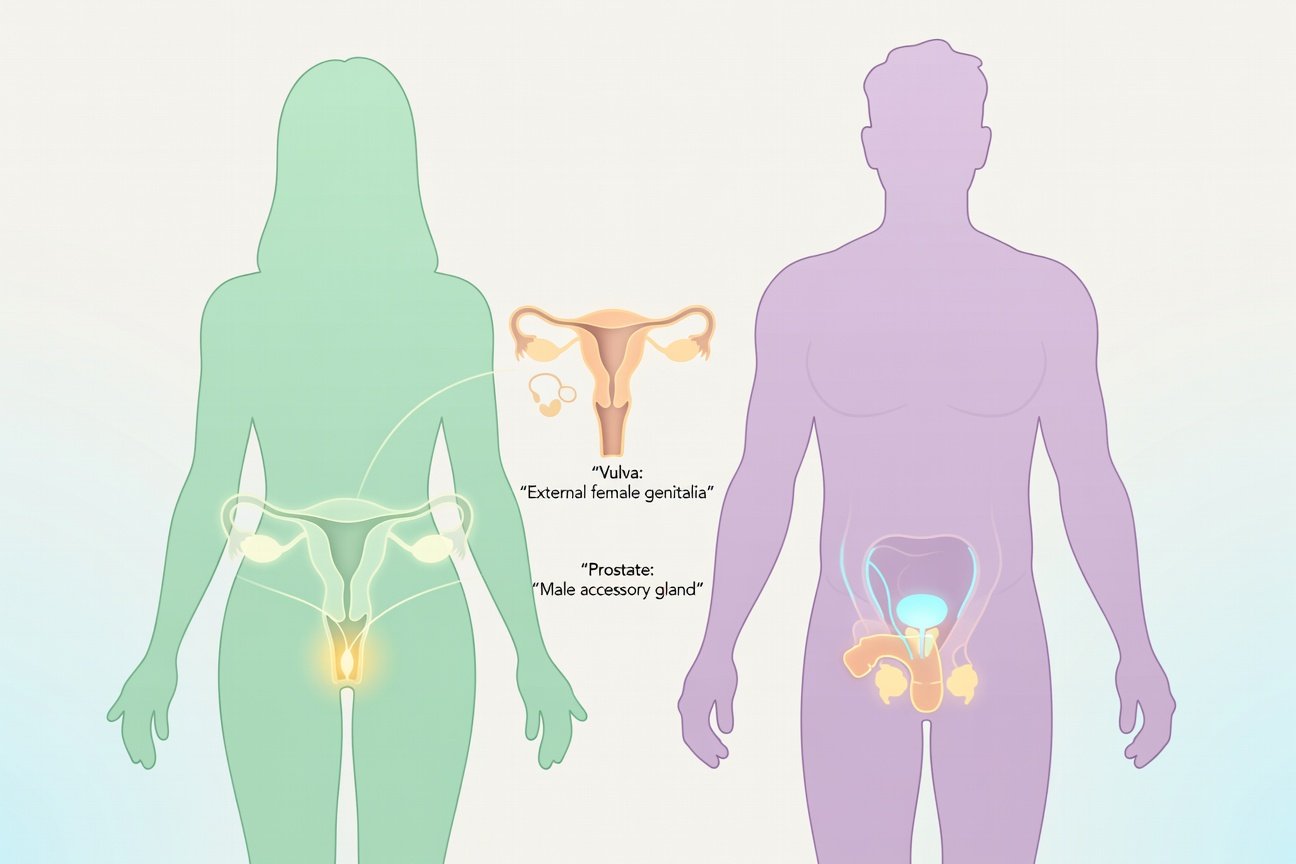
Female genitals, often called vulva and vagina, are complex and highly sensitive. Here's a breakdown:
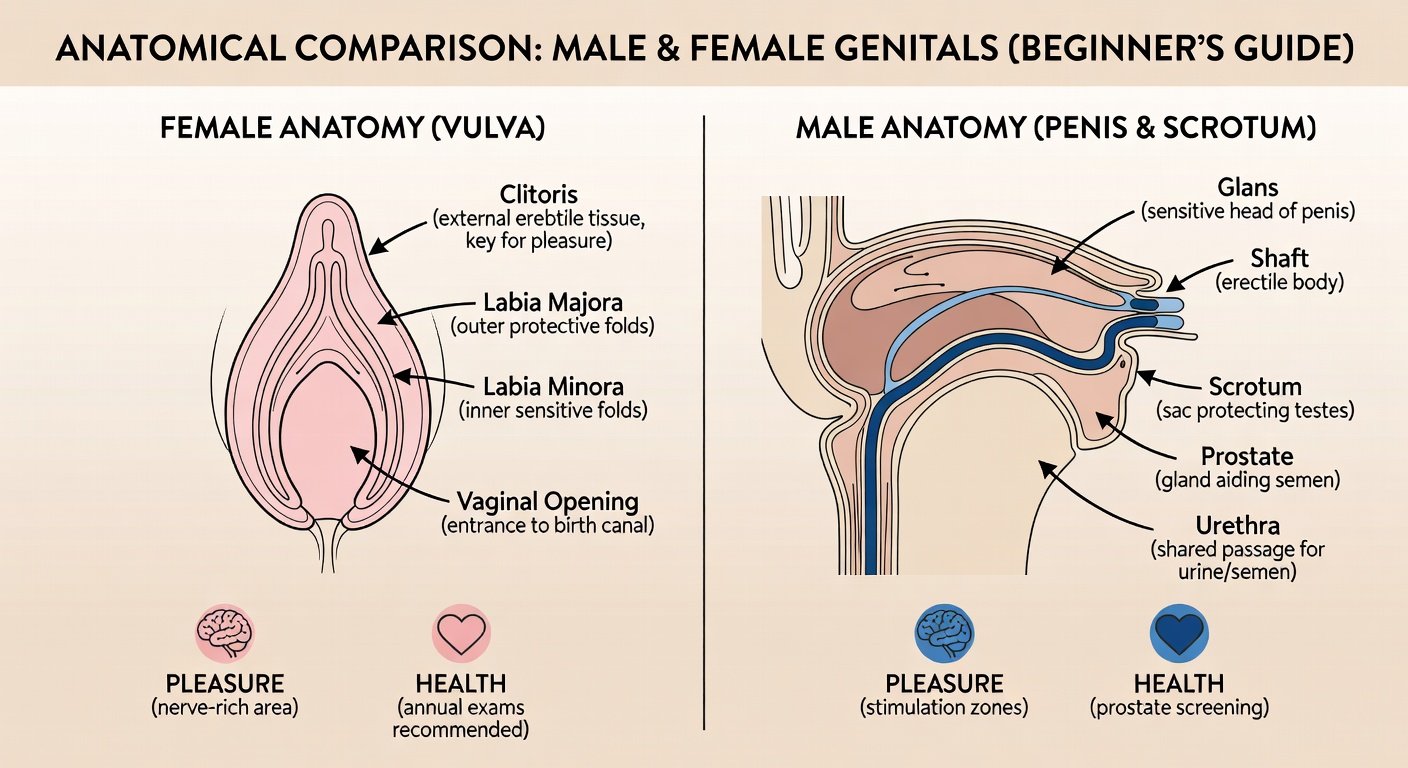
- External Structures (Vulva): Includes mons pubis (fatty mound over pubic bone), labia majora (outer lips), labia minora (inner lips), clitoris, and vaginal opening.
- Clitoris: The pleasure powerhouse with over 8,000 nerve endings. Its only function is pleasure—external hood and internal legs extend inside.
- Vagina: Muscular canal (3-5 inches long) for penetration, birth, and menstrual flow. Self-lubricates during arousal.
- Cervix: Lower uterus neck, often felt during deep penetration.
- Internal: Uterus, Ovaries, Fallopian Tubes. Produce hormones/eggs; not directly involved in pleasure but key for health.
Roles in Pleasure: Clitoral stimulation is key for most women’s orgasms. G-spot (front vaginal wall) adds internal pleasure.
Health Tips: Regular self-checks detect issues like infections. pH balance prevents yeast infections.
Step-by-Step Self-Exploration for Women
- Relax: Lie down in a comfortable, private space. Use a mirror.
- Observe: Gently part labia to see clitoris, urethral opening, vaginal entrance.
- Touch: Start externally—circle clitoris lightly. Note sensitive spots.
- Internally: Insert clean finger; feel textures, G-spot (spongy ridge).
- Journal: What feels good? Builds body confidence.
Male Sexual Anatomy: Key Structures and Functions
Male anatomy focuses on penis, scrotum, and prostate. Understanding these promotes prostate health and better pleasure.
- Penis: Shaft with glans (head), foreskin (if uncircumcised), urethra (urine/semen passage).
- Glans: Highly sensitive, like female clitoris counterpart.
- Scrotum/Testicles: Hold testes producing sperm/testosterone. Temperature-sensitive for fertility.
- Prostate: Walnut-sized gland inside, accessible via anus. Produces seminal fluid; stimulates for intense orgasms.
- Internal: Epididymis, Vas Deferens. Sperm transport.
Roles in Pleasure: Frenulum (underside glans) is ultra-sensitive. Prostate (P-spot) offers unique pleasure.
Health Tips: Monthly testicular self-exams catch lumps early. Hydration aids semen quality.
Step-by-Step Self-Exploration for Men
- Prepare: Warm environment, lube if needed.
- Examine: Check penis shaft/veins, scrotum smoothness, testicles (pea-sized lumps normal).
- Stimulate: Stroke glans/frenulum varying pressure.
- Prostate: Clean finger with lube; curve toward belly—walnut texture.
- Reflect: Track arousal patterns.
Common Misconceptions About Sexual Anatomy
Myths can harm confidence and health. Let's bust them:
- Myth: Vagina needs to be 'tight.' Arousal stretches it; Kegels strengthen muscles.
- Myth: All women orgasm from penetration. 70-80% need clitoral stimulation (WHO sexual health facts).
- Myth: Bigger penis = better pleasure. Technique and communication matter more.
- Myth: Prostate play is only for gay men. Pleasure is universal; anatomy doesn't define orientation.
- Myth: Labia/penis size varies abnormally. All shapes healthy—diversity is normal.
Self-Exploration Tips for All Genders
Solo play builds intuition:
- Use lube for comfort.
- Experiment slowly; no rush to orgasm.
- Incorporate breathwork for deeper sensations.
- Combine with mindfulness apps or guides.
- Share discoveries with partners for mutual growth.
For couples: Anatomy talks enhance foreplay. Use fingers/tongues to map erogenous zones.
Tying It to Broader Sex Education Basics
Sexual anatomy knowledge is step one in sex ed. Next: consent, STI prevention, contraception. Confident intimacy stems from education—reducing anxiety, boosting pleasure. Programs like comprehensive sex ed correlate with healthier behaviors.
Regular check-ups, open dialogues, and resources ensure lifelong sexual wellness. Explore further via trusted sites.
Conclusion
Mastering sexual anatomy unlocks pleasure, health, and connection. Start exploring today—your body is amazing. Stay curious, safe, and communicative.


No comments yet. Be the first!