 Spicy Trip

Understanding Birth Control: Your Guide to Informed Choices in 2026
Navigating birth control options can feel overwhelming, but knowledge empowers healthier decisions about your sexual health. This comprehensive guide covers reproductive anatomy basics, popular methods like pills, IUDs, and condoms, plus effectiveness rates updated for 2026. We'll debunk common myths, offer a step-by-step selection process, and share practical tips for safe use.
Reproductive Anatomy Basics and How Birth Control Works
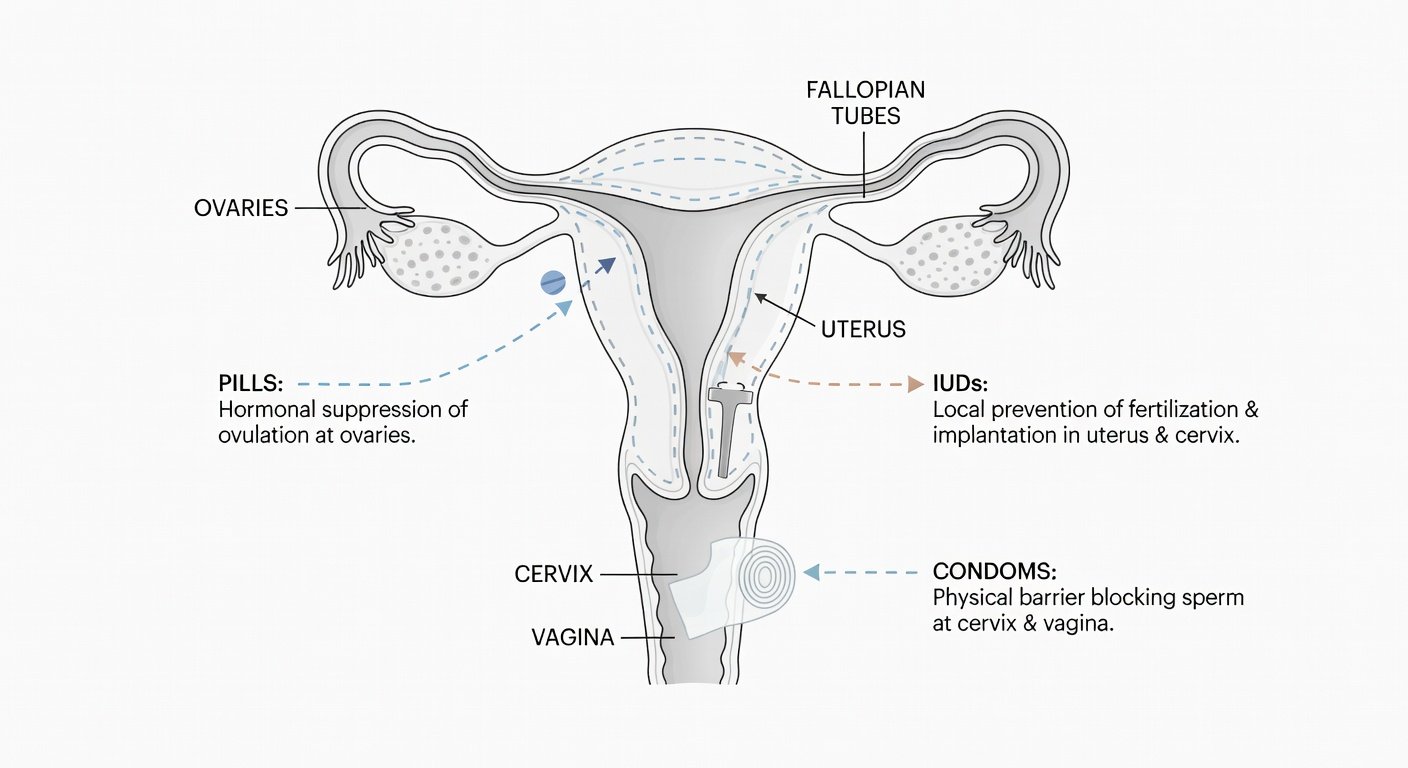
The female reproductive system includes the ovaries, fallopian tubes, uterus, and cervix. Sperm must travel through the cervix and uterus to fertilize an egg released during ovulation. Different birth control methods target various stages: preventing ovulation, blocking sperm, or altering the uterine lining. For example, hormonal methods often suppress ovulation by mimicking pregnancy hormones.
Male anatomy involves the testes producing sperm that travels via the vas deferens. Barrier methods like condoms physically prevent sperm from entering the vagina. Understanding these interactions helps explain why certain methods suit specific lifestyles.
Top Birth Control Methods: Pros, Cons, and Effectiveness
Here are the most common options with 2026 effectiveness data from ongoing studies:
1. Birth Control Pills
- Pros: Highly effective when taken consistently, regulates periods, reduces acne.
- Cons: Daily commitment required, potential side effects like mood changes.
- Effectiveness: 99% with perfect use, around 91% typical use as of 2026.
2. Intrauterine Devices (IUDs)
- Pros: Long-lasting (3-12 years), low maintenance, over 99% effective.
- Cons: Insertion discomfort, rare risks like expulsion.
- Effectiveness: 99%+ perfect and typical use.
3. Condoms
- Pros: Dual protection against STIs and pregnancy, no hormones, affordable.
- Cons: Must use correctly every time, can reduce sensation for some.
- Effectiveness: 98% perfect use, 82% typical use.
For authoritative details, visit CDC reproductive health resources or World Health Organization guidelines.
Step-by-Step Guide to Choosing the Right Method
- Assess your lifestyle: Consider daily routines, future pregnancy plans, and STI protection needs.
- Review health factors: Discuss medical history with a provider, especially for hormonal options.
- Compare effectiveness vs. convenience: Long-acting reversible contraception often wins for busy individuals.
- Factor in side effects and costs: Weigh benefits against personal tolerance.
- Consult professionals: Schedule a visit for personalized recommendations.
Real-User Scenarios and Practical Tips
Sarah, a 28-year-old professional, chose an IUD after frequent travel made daily pills unreliable. She reports better peace of mind and no daily reminders. Tips for safe use include setting phone alarms for pills, checking IUD strings monthly, and using condoms consistently for STI prevention. Always store methods properly and follow up with annual check-ups.
FAQs: Debunking Common Myths
Does birth control cause weight gain?
Most modern methods do not lead to significant weight changes. Studies as of 2026 confirm any minor effects are often due to water retention that resolves quickly.
Is birth control 100% effective?
No method except abstinence is 100% effective. Typical use rates vary, so combining methods like condoms with hormonal options boosts protection.
Can I get pregnant right after stopping birth control?
Fertility usually returns quickly, often within one cycle for pills or immediately after IUD removal.
Empower yourself with accurate information for confident, healthier choices in your sex life.


No comments yet. Be the first!