 Spicy Trip
Introduction: Understanding Body Image in Sexual Health
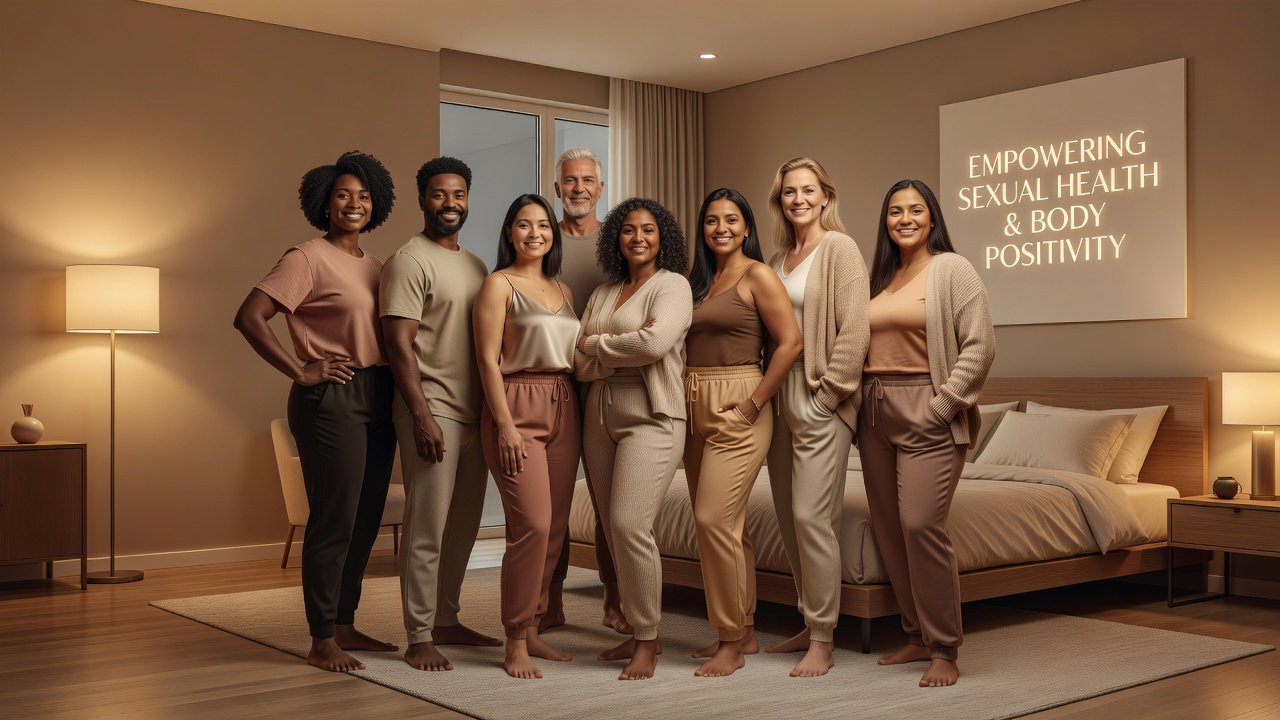
Body image plays a central role in sexual health, influencing confidence, intimacy, and overall well-being. In 2026, many people still grapple with misconceptions shaped by media and societal pressures. This beginner's guide debunks key myths, ties anatomy basics to self-perception, and provides practical tools like mirror work and communication strategies to help readers build authentic confidence. Negative body perceptions can create barriers during intimate moments, leading to avoidance of closeness or diminished pleasure. By addressing these issues head-on with evidence-based approaches, individuals can foster healthier relationships with their bodies and partners. The year 2026 brings renewed focus on inclusive wellness, yet outdated myths persist in popular culture. Understanding how body image intersects with sexual health starts with recognizing that self-perception affects arousal, communication, and satisfaction more than physical appearance alone. This guide offers depth for beginners while remaining accessible, covering real-world applications and examples to make concepts actionable.
Anatomy Basics and Self-Perception
Understanding basic anatomy helps reframe how we view our bodies. Genital diversity is normal, with variations in size, shape, and appearance across all genders and ages. Self-perception often stems from unrealistic standards rather than biological facts. For example, clitoral anatomy varies widely in structure and sensitivity, yet many assume a single ideal form promoted by media. Recognizing these natural differences builds acceptance and reduces shame. Breasts, penises, vulvas, and other features come in countless forms influenced by genetics, age, and life experiences. Education from reliable sources like the World Health Organization emphasizes that sexual health includes mental and emotional components tied to body acceptance. Many beginners overlook how hormonal changes or medical conditions subtly alter anatomy without impacting function or desirability. Personal stories often reveal that partners appreciate uniqueness far more than conformity to standards. Exploring anatomy through neutral educational diagrams or self-examination in a non-judgmental way can shift perceptions from criticism to curiosity. This foundation supports later exercises by grounding readers in factual diversity rather than idealized images.
Debunking Common Body Image Myths
Several myths persist in 2026 despite growing awareness. Myth one claims only certain body types enjoy satisfying sex, but reality shows pleasure depends more on communication, mindset, and emotional connection than appearance. Myth two suggests visible flaws like scars or asymmetry ruin intimacy, when partners rarely notice or care about minor imperfections during genuine connection. Myth three asserts that weight directly determines sexual desirability, ignoring how confidence and technique often matter more. Myth four promotes the idea that aging bodies lose appeal, overlooking how experience and self-assurance enhance intimacy for many couples. Evidence-based approaches from health organizations highlight that confidence stems from internal reframing, not external perfection. These myths often ignore personal realities in favor of filtered online images or narrow cultural narratives. Real-world examples include individuals who discovered greater satisfaction after rejecting diet culture pressures. Busting these myths involves examining personal experiences against societal claims, revealing how the latter rarely hold up in private moments of vulnerability and pleasure.
Practical Techniques for Reframing Negative Thoughts
During intimacy, negative thoughts can arise quickly and disrupt presence. Practice cognitive reframing by noting the thought without attachment, then replacing it with a neutral or positive affirmation grounded in reality. For instance, shift from "My body looks wrong" to "My body is capable of pleasure and connection." Breathing exercises help ground you in the moment and interrupt spirals. Inhale deeply for four counts, hold for four, then exhale for six. Repeat three times to reduce anxiety and refocus on physical sensations. Journaling after intimate encounters allows tracking patterns in thoughts and identifying triggers. Another technique involves sensory grounding: name five things you see, four you feel, three you hear during moments of doubt. These methods build resilience over time. Beginners benefit from practicing reframing in low-stakes settings before applying during intimacy. Consistency turns these into automatic responses that support ongoing sexual self-esteem.
Step-by-Step Exercises: Mirror Work
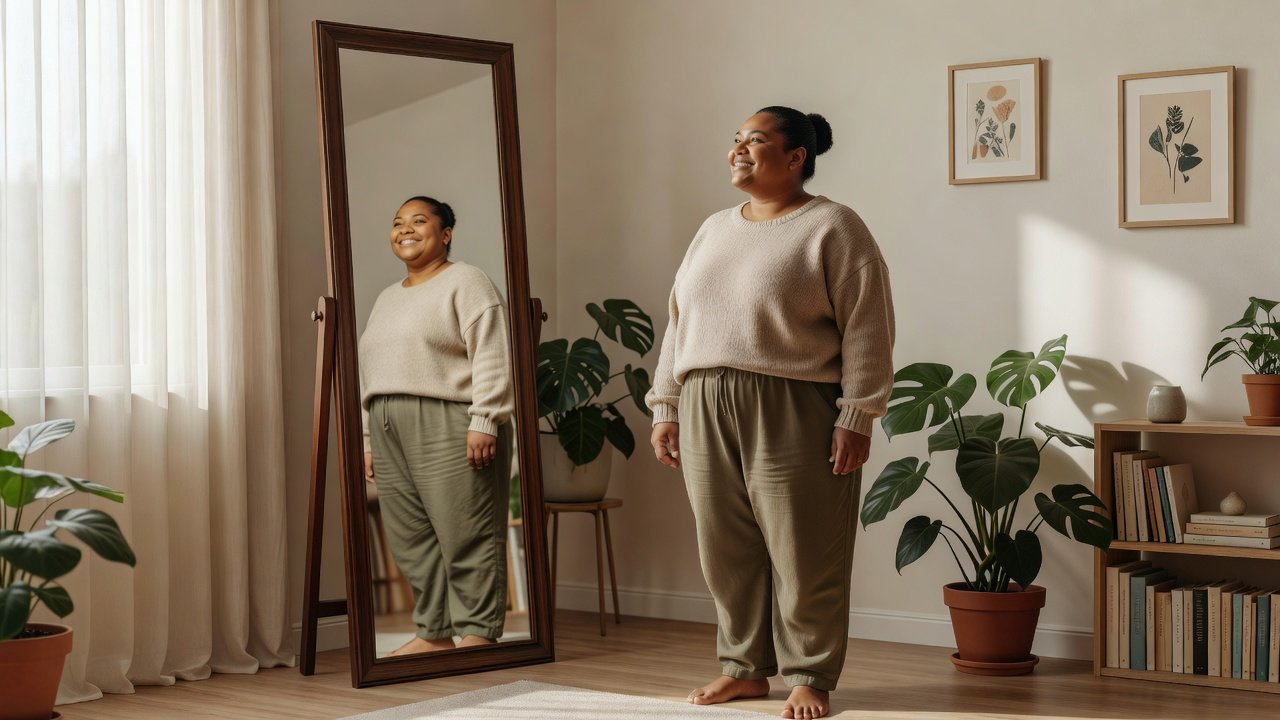
Mirror work builds body familiarity through structured exposure. Step 1: Stand before a full-length mirror in comfortable, even lighting without clothing or with minimal coverage. Step 2: Observe your body without judgment for five minutes daily, starting with neutral areas like hands or feet before progressing to more sensitive zones. Step 3: Verbalize neutral statements like "This is my body, and it functions well" to counter automatic criticism. Step 4: Advance to gentle positive affirmations such as "I appreciate how my body responds to touch." Variations include incorporating movement like gentle stretching or using soft music to create a supportive atmosphere. Troubleshooting common challenges: if discomfort arises, shorten sessions initially and build duration gradually. Many report increased comfort with nudity after four to six weeks of consistent practice. Real examples show participants noticing reduced anxiety in partnered settings after regular solo mirror sessions. This exercise pairs well with anatomy education for deeper impact.
Partner Communication Tips
Open dialogue strengthens sexual self-esteem and reduces isolation from body concerns. Start conversations outside the bedroom with phrases like "I feel most confident when we focus on..." or "One thing that helps me relax is..." Share specific needs without blame, using "I" statements to keep discussions constructive. Active listening matters greatly; reflect back what your partner says to ensure mutual understanding. Role-play scenarios can prepare for real talks, such as practicing responses to compliments or requests. Resources from the Mayo Clinic stress that clear communication reduces misunderstandings rooted in body insecurities. Additional tips include scheduling regular check-ins about intimacy preferences and celebrating small wins together, like trying new positions that emphasize comfort over appearance. Diverse examples demonstrate how couples who normalize body discussions experience deeper trust and satisfaction.
Societal Influences vs. Personal Realities
Society promotes narrow beauty ideals through advertising, social media, and entertainment that rarely reflect average bodies. Real-world examples include influencers revealing unedited photos showing stretch marks or cellulite, highlighting how filters distort expectations and create unnecessary pressure. Personal realities differ dramatically: diverse bodies experience fulfilling intimacy daily when focus shifts to sensation and connection. Compare the two by journaling media exposure versus actual experiences with partners or self-pleasure. This contrast reveals how external messages rarely match private moments of acceptance. In 2026, movements toward body neutrality offer alternatives to positivity pressures, allowing space for neutral acceptance without forced celebration. Analyzing influences helps readers prioritize personal truths over collective narratives for sustainable confidence gains.
Building Lasting Sexual Self-Esteem
Combine exercises with supportive lifestyle habits for enduring results. Prioritize movement that feels enjoyable, such as walking or yoga, rather than punitive routines. Seek professional support if body image issues persist, including therapy focused on sexual wellness or sex-positive counseling. Track progress in a dedicated journal by noting moments of confidence, such as initiating intimacy without hesitation. Community resources like online forums moderated by experts provide additional validation. Integrating these elements creates a holistic approach that withstands societal fluctuations and personal challenges over time.
Conclusion
Overcoming body image myths enhances sexual health and opens pathways to more fulfilling experiences. Through anatomy awareness, reframing practices, mirror work, and open communication, lasting confidence becomes achievable in 2026 and beyond. Readers are encouraged to implement one technique this week and build from there.
FAQ
How long does mirror work take to show results?
Most beginners notice shifts in self-perception within three to four weeks of daily practice, though individual timelines vary based on consistency and starting mindset.
Can body image issues affect physical sexual function?
Yes, anxiety from negative perceptions can impact arousal and lubrication, but addressing the root through exercises often restores natural responses over time.
What if my partner reinforces societal myths?
Address it directly with calm examples from your experiences, and consider couples counseling if needed to align on body-positive values together.
Are there resources for diverse body types and abilities?
Organizations like the CDC offer inclusive sexual health materials tailored to varied experiences, ages, and abilities.
How does 2026 media landscape influence these myths?
While more diverse representation exists, algorithm-driven content can still amplify narrow ideals, making conscious curation of feeds essential for maintaining personal realities.
No comments yet. Be the first!