 Spicy Trip
Introduction to Inclusive Language in Modern Sex Education
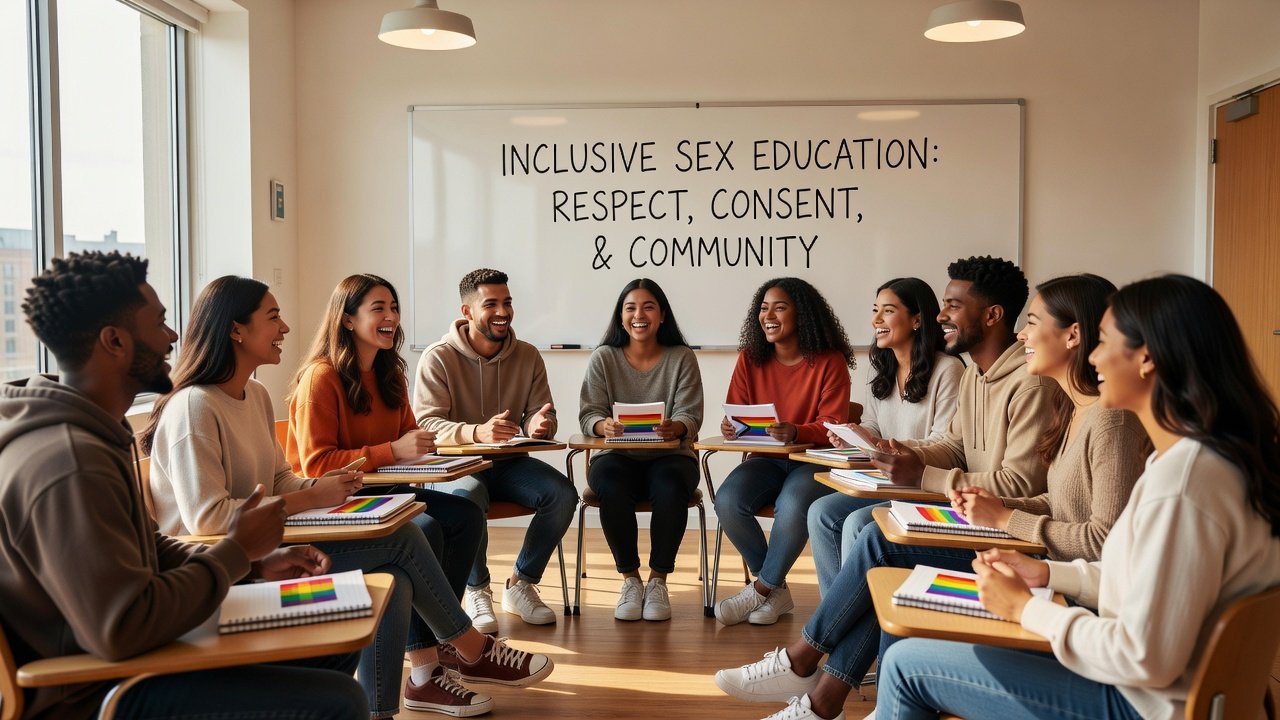
In 2026, sex education continues to evolve toward greater respect and accessibility for all individuals. Inclusive language plays a central role by ensuring discussions about anatomy, consent, pleasure, and relationships welcome everyone regardless of gender identity or background. This beginner guide covers the fundamentals, offering practical examples and strategies to replace outdated phrases with more affirming alternatives. Readers seeking modern approaches will discover how small wording changes create larger impacts on comfort and understanding.
Traditional sex ed often relied on binary assumptions that excluded many people. Updated approaches prioritize clarity while reducing harm. This piece explores gender-neutral terminology in depth, provides side-by-side examples of outdated versus inclusive phrases, and delivers actionable steps for applying these principles in conversations. Real-world scenarios illustrate the differences, while a checklist supports daily integration. The guide also compares how language choices affect participant comfort levels and addresses common beginner questions through an FAQ section.
Why Inclusive Language Matters in Sexual Health Discussions
Language shapes how people feel seen and safe during sensitive topics. When educators or partners use terms that assume everyone fits into strict male or female categories, it can create discomfort, silence, or disengagement. Inclusive wording increases engagement and trust because it acknowledges diverse identities and experiences. For example, using "people with uteruses" instead of "women" when discussing menstruation allows transgender men and non-binary individuals to relate without feeling erased.
Comfort levels rise when language feels neutral and respectful. This shift supports better health outcomes since individuals become more willing to ask questions, share concerns, and seek accurate information. The benefits extend to classrooms, healthcare settings, intimate relationships, and online forums. In 2026, growing awareness of gender diversity makes inclusive practices essential rather than optional. Health organizations highlight that respectful communication reduces stigma and improves participation rates across all demographics.
Furthermore, inclusive language aligns with broader societal movements toward equity. It helps dismantle outdated norms that have historically marginalized certain groups. By adopting these changes, educators and communicators foster environments where everyone can learn and discuss sexual health openly.
Gender-Neutral Terminology for Anatomy and Techniques
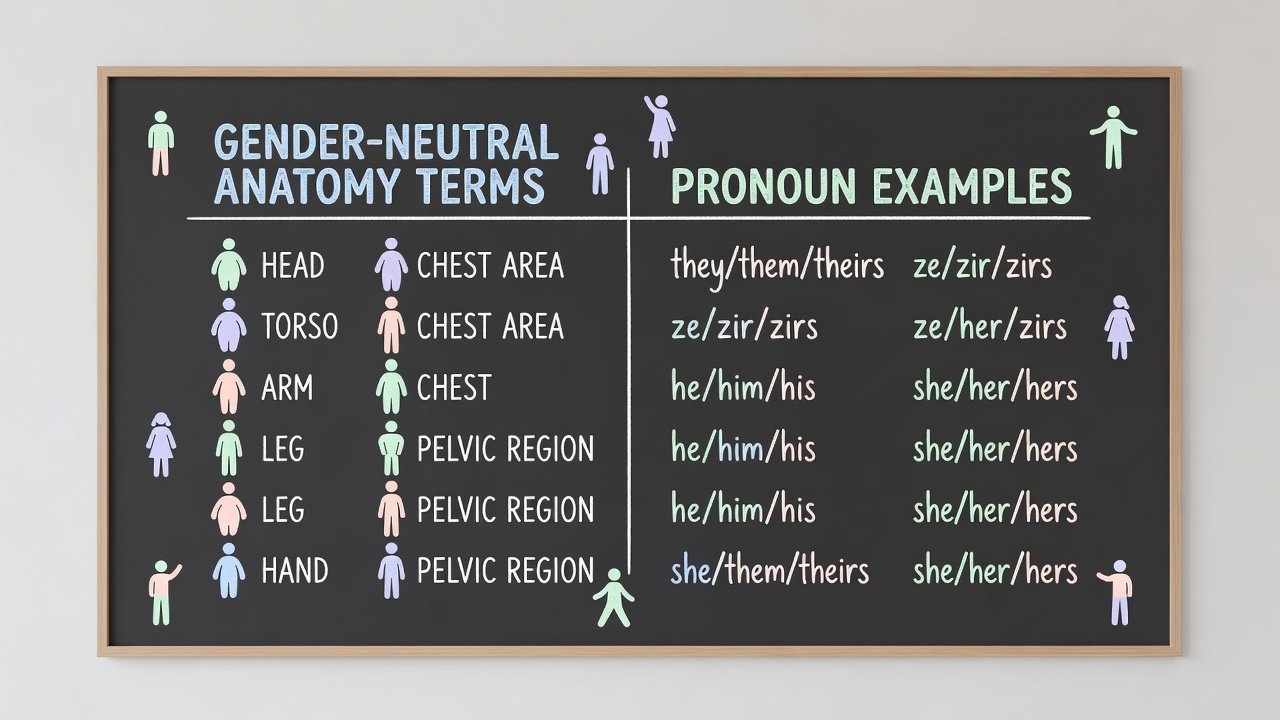
Effective inclusive language begins with precise yet neutral terms for body parts and activities. Instead of defaulting to gendered words like "penis" or "vagina" in every explanation, consider functional descriptions such as "external genitals" or "internal reproductive organs." For techniques involving pleasure, phrases like "stimulating the glans" or "touching the perineum" maintain clarity without assuming identity.
Expand your vocabulary with these gender-neutral options:
- Partner or person rather than boyfriend, girlfriend, or husband
- Chest or torso instead of breasts when describing upper body anatomy
- Frontal genital opening or anal passage to avoid assumptions about specific structures
- They or them pronouns until an individual shares their preferences
- Reproductive health needs instead of women's health or men's health categories
These alternatives preserve accuracy while broadening reach. They work well in both educational materials and personal dialogues. Resources from World Health Organization support the use of respectful terminology in sexual health contexts.
Outdated Phrases Versus Inclusive Alternatives
Many common expressions carry hidden assumptions that limit inclusivity. Replacing them requires awareness but yields meaningful results. For instance, "The woman’s body responds this way during arousal" becomes "A person’s body may respond this way during arousal, varying by individual." Similarly, "Men need to initiate intimacy" shifts to "Partners can communicate desires and boundaries openly."
Additional transformations include changing "Safe sex for heterosexual couples" to "Safer sex practices for people of all orientations and identities." "Girls experience these changes at puberty" updates to "Young people may notice these bodily changes during puberty." Each swap maintains the core information while eliminating exclusionary framing. Over time, these adjustments become natural and improve the overall tone of discussions.
Real-World Scenarios and Practical Application
Consider a classroom setting where a teacher covers reproductive anatomy. Using "People who menstruate may use pads or cups" instead of gender-specific language allows all students to engage without discomfort. In a medical appointment, a clinician might begin by asking "What pronouns and terms feel best for you?" before explaining options for contraception or screenings.
During couple conversations about boundaries, one partner could say "How does this touch feel on your body?" rather than assuming based on appearance. In online forums or workshops, moderators benefit from modeling neutral language in prompts, such as "Share experiences with consent in any relationship structure." These scenarios show how inclusive choices prevent alienation and encourage honest exchange. Applying the approach consistently builds trust across repeated interactions.
Another example involves family discussions. A parent talking to a teen exploring identity might say "Your body is unique and changing" instead of binary references. This keeps the dialogue supportive and open-ended.
Quick Checklist for Daily Use
Integrate inclusive language through these repeatable steps:
- Ask for pronouns early in conversations and use them consistently.
- Review any written or spoken materials for unnecessary binary assumptions before presenting them.
- Practice neutral descriptions of anatomy and functions through repetition.
- Listen actively for feedback on wording and adjust accordingly without defensiveness.
- Pair inclusive terms with explicit consent questions to reinforce respect.
- Expand vocabulary gradually by learning one new neutral phrase per week.
- Share resources from trusted sources like Centers for Disease Control and Prevention to support learning.
Revisit this checklist before educational sessions, personal talks, or professional consultations to strengthen habits over time.
Comparing Traditional and Updated Language Impacts
Traditional language often resulted in lower engagement, with some participants withdrawing due to feeling unseen or misgendered. Updated approaches promote higher comfort by validating diverse experiences, leading to more open questions and deeper learning. The contrast shows in participation metrics and reported satisfaction during discussions about anatomy or relationships.
Traditional phrasing can unintentionally reinforce stereotypes, while inclusive alternatives support individualized understanding. Over repeated use, the updated style contributes to reduced stigma and stronger connections between speakers and listeners. These effects compound in group settings where multiple identities are present.
Frequently Asked Questions
How do I begin incorporating inclusive language if the concepts feel new?
Start small by observing how others self-describe and practicing simple substitutions in everyday speech. Seek out workshops or readings focused on communication skills to build confidence gradually.
Does using inclusive terms make explanations of anatomy more complicated?
Actually, it often simplifies understanding by emphasizing function and individual variation rather than rigid categories, making the information more relevant to a wider audience.
Are there risks to using outdated language in professional settings?
Yes, it can reduce trust and accessibility. Switching to inclusive options demonstrates professionalism and aligns with current best practices in health education.
Where can beginners find additional support materials?
Explore official guidelines available through National Institutes of Health for evidence-based approaches to inclusive health communication.
How does inclusive language interact with consent discussions?
It complements consent by ensuring all parties feel respected, which encourages clearer expression of boundaries and desires throughout any interaction.
Conclusion
Inclusive language strengthens sex education by building welcoming spaces for learning and connection. Adopting gender-neutral terminology, reviewing example comparisons, following the checklist, and applying insights from scenarios equips beginners to communicate effectively in 2026. Consistent practice leads to more respectful, accurate, and useful conversations about sexual health that benefit everyone involved.

No comments yet. Be the first!