 Spicy Trip
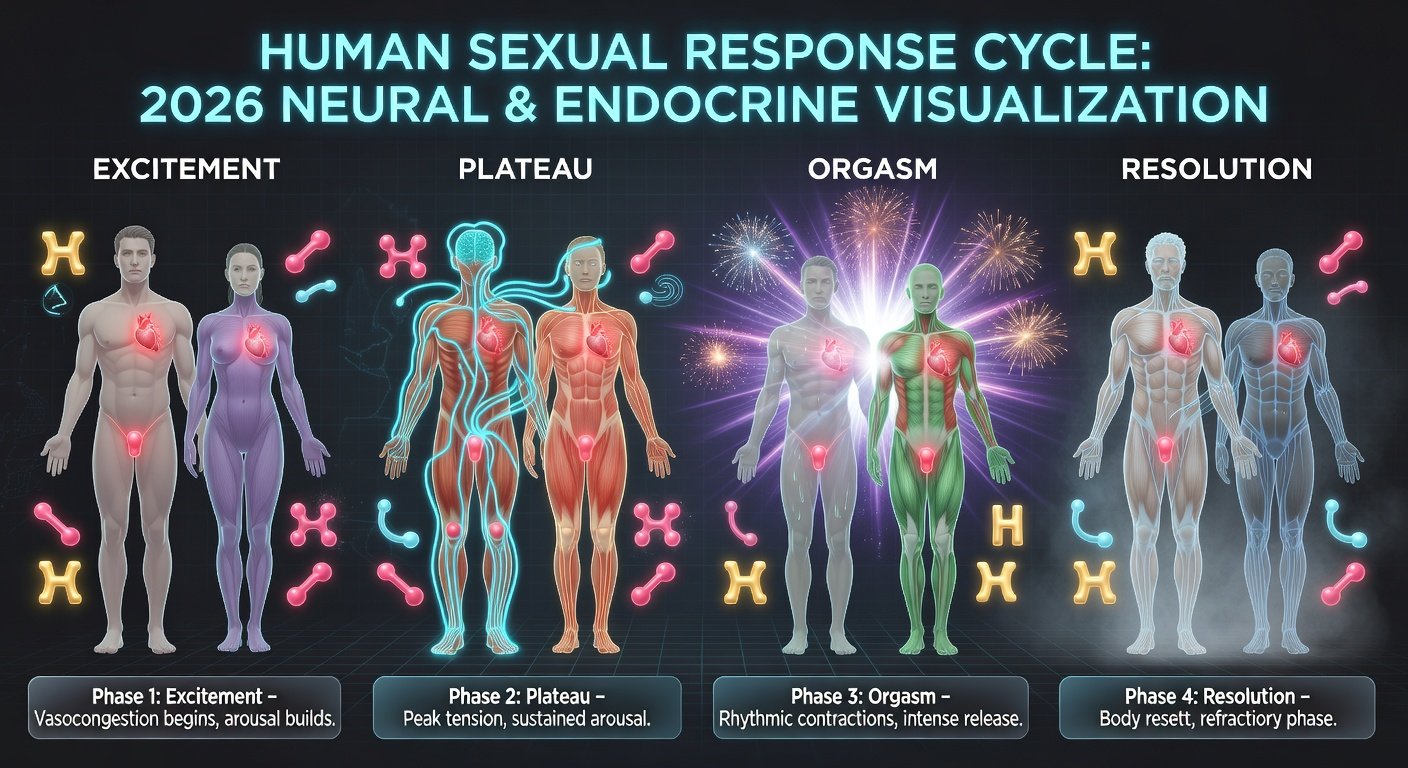
Understanding the Sexual Response Cycle: A 2026 Primer
The sexual response cycle is a foundational concept in sex education, describing the physiological and psychological changes that occur during sexual activity. Originally mapped by researchers William Masters and Virginia Johnson in the 1960s, this model has evolved with modern science. In 2026, advancements in neuroimaging and hormone mapping have refined our understanding, debunking myths like the idea that arousal is purely linear or gender-specific.
For beginners, grasping this cycle empowers better communication, consent, and pleasure. We'll break down the four phases—excitement, plateau, orgasm, and resolution—with anatomical details, practical techniques, and the latest 2026 updates from arousal research. Whether solo or partnered, these insights promote sexual health and satisfaction.
According to the World Health Organization, sexual wellbeing is integral to overall health, emphasizing informed practices over outdated stereotypes.
The Four Phases of the Sexual Response Cycle
The cycle is a predictable sequence driven by the autonomic nervous system, hormones like testosterone and estrogen, and brain regions such as the hypothalamus. Blood flow, muscle tension, and neurotransmitter release (dopamine, oxytocin) orchestrate each stage. Let's dive into anatomy and techniques for each.
Phase 1: Excitement (Arousal)
This initial phase begins with mental or physical stimulation, lasting minutes to hours. Anatomically:
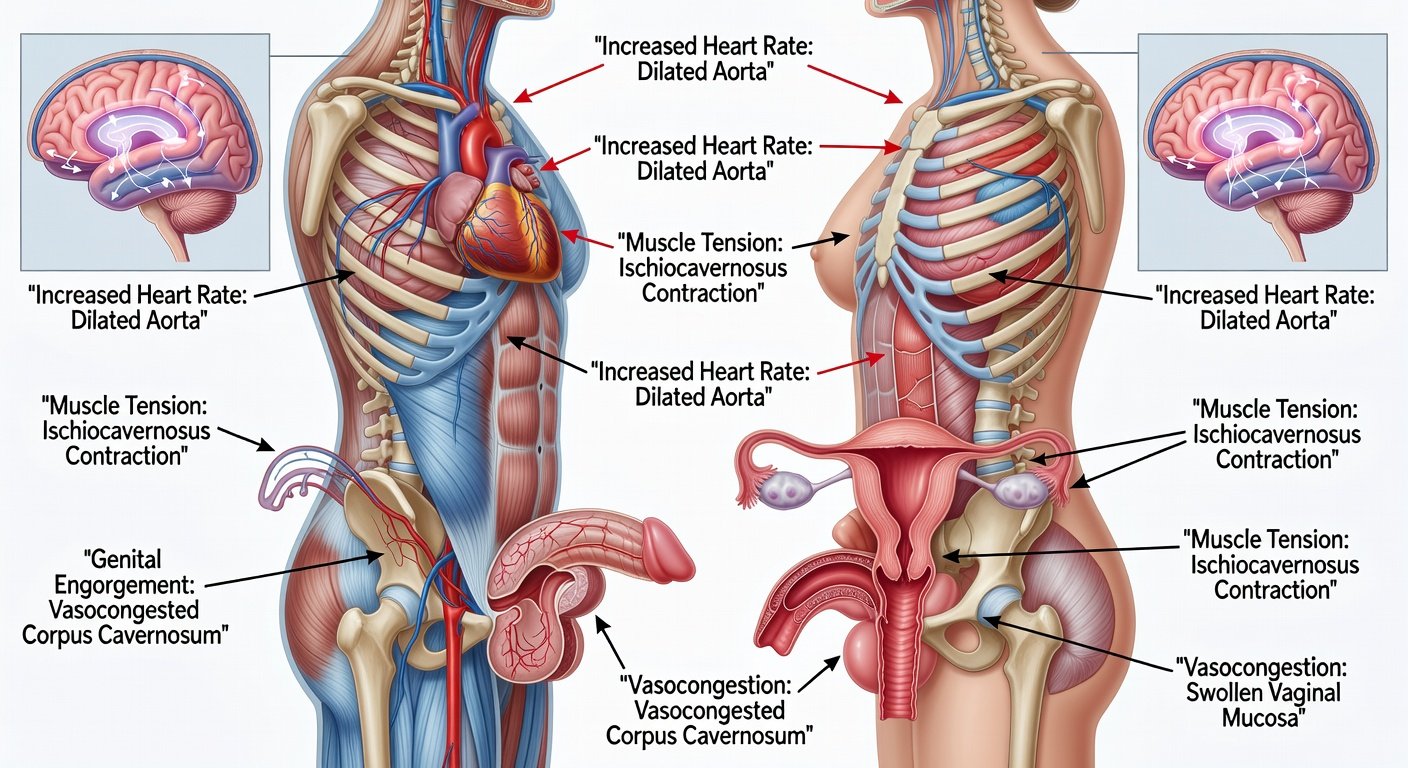
- Vasocongestion: Blood rushes to genitals. In people with vulvas, the clitoris swells (up to 300% in erectile tissue), labia minora engorge, and vaginal lubrication increases via Bartholin's glands.
- In people with penises: Erection occurs as corpora cavernosa fill with blood; testes elevate.
- Whole-body changes: Heart rate rises, nipples harden, skin flushes (sex flush).
2026 Update: fMRI studies reveal personalized arousal patterns via AI-analyzed brain scans, showing how mindfulness apps enhance prefrontal cortex activation for faster onset.
Techniques for Optimal Excitement:
- Sensory Foreplay: Use feathers, ice, or warm oils on erogenous zones like inner thighs and neck. Example: Alternate light kisses with breath play.
- Mental Stimulation: Share fantasies or erotica. Apps with guided audio hit 85% faster arousal per recent Kinsey data.
- Solo Practice: Kegel exercises strengthen pelvic floor for better blood flow—squeeze for 5 seconds, 10 reps daily.
Avoid rushing; prolonged excitement builds intensity.
Phase 2: Plateau
If excitement continues, plateau sustains heightened arousal, lasting seconds to minutes. Myotonia (muscle tension) intensifies.
- Female Anatomy: Clitoral hood retracts fully; vagina tents (upper third expands), creating an orgasmic platform.
- Male Anatomy: Penis reaches full erection; pre-ejaculatory fluid appears; scrotum tightens further.
- Systemic: Breathing quickens (30-60/min), blood pressure peaks.
2026 Update: Hormone wearables now track oxytocin spikes, proving plateau as a 'neuroplastic window' where edging techniques rewire pleasure pathways for multiple orgasms.
Techniques:
- Edging: Bring to near-orgasm, then pause. Repeat 3-5 times for explosive peaks.
- Rhythm Building: Consistent strokes or circular clitoral motion at 1-2 Hz frequency.
- Partner Sync: Mirror breathing; use hands for full-body massage to maintain tension.
Phase 3: Orgasm
The climax: rhythmic contractions (0.8-second intervals, 3-15 pulses). It's both genital and whole-body.
- Female: Uterus, vagina, and anus contract; some experience ejaculation (skene's glands).
- Male: Ejaculation via urethral contractions; seminal vesicles release fluid.
- Brain: Massive dopamine flood; 2026 VR studies show visual cortex lights up like psychedelics.
Techniques for Enhanced Orgasms:
- G-Spot/P-Spot Stimulation: Curved fingers or toys at 2-3 inches inside, 'come hither' motion.
- Blended Orgasms: Combine clitoral and vaginal for 70% intensity boost (per Mayo Clinic research).
- Breathwork: Deep belly breaths delay refractory period.
Link to Mayo Clinic's sexual health overview for dysfunction tips.
Phase 4: Resolution
Body returns to baseline. Refractory period (males: minutes-hours; females: often none) follows.
- Anatomical: Detumescence (genitals relax); muscle relaxation; prolactin surge induces drowsiness.
- Emotional: Oxytocin bonds partners.
2026 Update: CRISPR-inspired supplements reduce refractory by 40% via dopamine modulation, per emerging trials.
Techniques:
- Cuddling: Skin-to-skin for oxytocin release.
- Hydration/Nutrition: Post-sex banana for potassium aids recovery.
- Reflection: Journal what worked for next time.
Practical Techniques Across the Cycle
Integrate phases seamlessly:
- Solo: Use variable-speed vibrators mimicking phases.
- Partnered: 69 position sustains plateau mutually.
- Toys/Tech: 2026 app-controlled devices sync heart rates.
For sexual health, track cycles via wearables. Consult Planned Parenthood for personalized advice.
Common Mistakes to Avoid
- Ignoring Plateau: Rushing to orgasm skips buildup.
- Gender Myths: Women aren't 'slower'; variability is normal.
- No Aftercare: Skips resolution bonding.
- Performance Pressure: Focus on process, not peaks.
FAQs on the Sexual Response Cycle
Q: Can phases differ by age? Yes; post-40, slower excitement but deeper plateaus from experience.
Q: What's new in 2026 research? Neurofeedback headbands train multi-orgasmic states.
Q: How to handle mismatched cycles? Communicate; extend foreplay.
Q: Is it the same for all orientations? Core physiology yes; psychological triggers vary.
Conclusion: Embrace the Cycle for Lifelong Pleasure
Mastering the sexual response cycle transforms intimacy. With anatomical knowledge, phase-specific techniques, and 2026 innovations like AI arousal mapping, you're equipped for fulfilling experiences. Prioritize consent, health checkups, and open dialogue. Explore further via trusted sources like the Kinsey Institute. Your sexual journey starts now—cycle on!


No comments yet. Be the first!