 Spicy Trip

Introduction to Play Party Vetting in 2026
Entering the world of sex-positive parties and kink events requires careful preparation, especially for beginners seeking safe entry points. As interest in these gatherings grows throughout 2026, many newcomers search for reliable ways to evaluate events before attending. Effective vetting involves spotting red flags through structured checks on hosts, consent frameworks, community input, and emerging digital resources. This process builds confidence and helps avoid potentially harmful situations by focusing on practical indicators rather than assumptions. The goal is to create informed decisions that prioritize personal safety while fostering positive experiences within supportive environments.
Reviewing Host Histories for Trust Signals
Begin the vetting process by thoroughly examining the organizer's background and track record. Reliable hosts typically maintain a consistent and transparent online presence across multiple platforms, including event listings, social profiles, and community forums. Look for evidence of recurring successful events, clear communication styles, and long-term involvement in the scene. Patterns such as frequent last-minute cancellations, unresolved disputes from past attendees, or abrupt rebranding efforts often signal underlying problems. For example, a host who previously ran events under a different name without explanation may be attempting to distance themselves from negative feedback. Cross-reference information from at least three independent sources to confirm longevity and reputation. Anonymous or newly created profiles without verifiable history represent immediate red flags that warrant caution or avoidance.
Checking Consent Policies in Detail
Consent policies form the foundation of any safe event, and they must be explicit and actionable rather than generic statements. Review event descriptions for detailed explanations of boundary enforcement, ongoing verbal check-ins during activities, and clear procedures for reporting violations. Strong policies often include requirements for pre-event education sessions or agreements that all participants must acknowledge. Vague wording such as "respect everyone's limits" without specifics on implementation should raise concerns. Compare the stated rules against real-world reports from previous attendees on neutral discussion boards. In 2026, many organizers provide downloadable policy templates that can be evaluated for completeness. Events lacking any mention of consent education or response protocols are best avoided, as they may indicate insufficient prioritization of participant well-being.
Analyzing Community Feedback Effectively
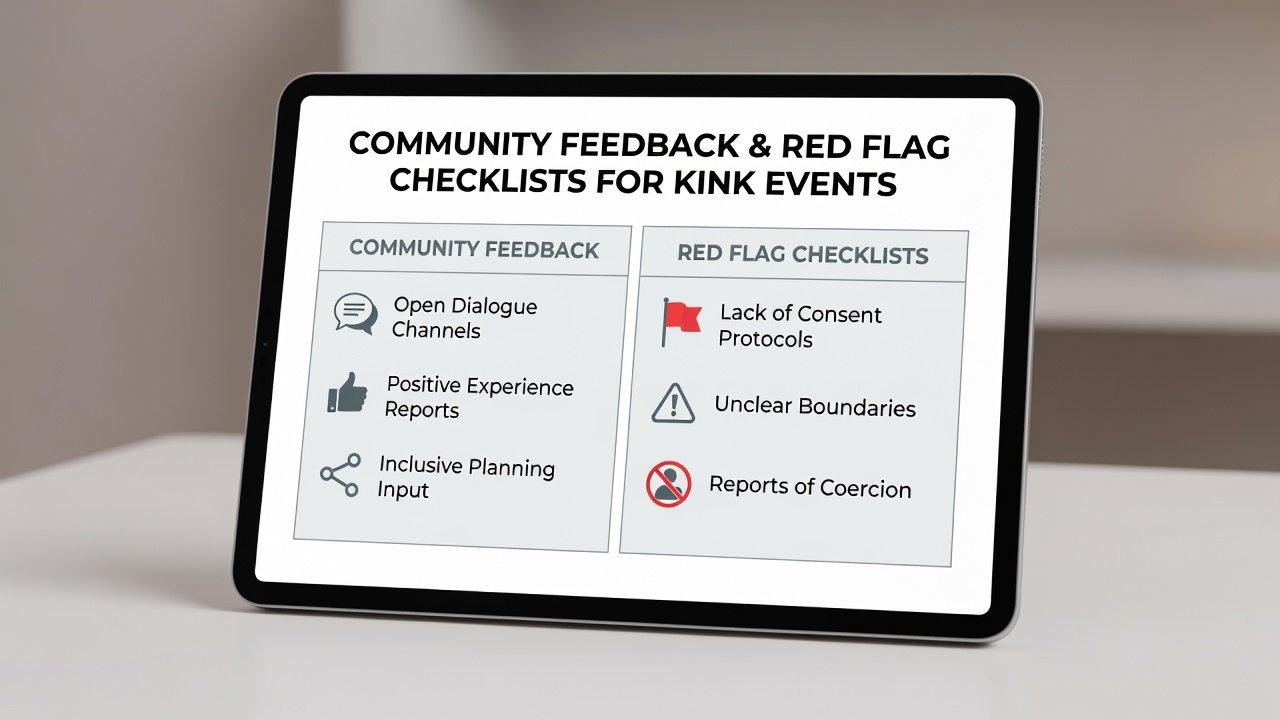
Community feedback provides invaluable insights that go beyond promotional materials. Search independent forums, private groups, and review aggregators for unfiltered attendee accounts focusing on atmosphere, rule enforcement, and overall inclusivity. Positive indicators include detailed, specific testimonials from repeat participants who describe consistent safety measures and welcoming environments. Recurring complaints about ignored boundaries, overcrowding, or inconsistent moderation point to potential issues. When analyzing feedback, consider the volume and recency of comments, as well as any patterns across different platforms. Isolated negative reviews may reflect individual experiences, but clusters of similar concerns deserve serious attention. This comparative approach helps distinguish well-managed events from those that fall short in practice.
Privacy Red Flags to Watch
Protecting personal information is essential in these intimate settings. Examine registration processes for requests that seem excessive, such as demanding full government identification without clear justification or storing data on unsecured platforms. Legitimate events utilize encrypted forms and clearly outline data retention periods and sharing limitations. Pressure to tag public social media accounts or participate in live streams without opt-out options often signals poor privacy practices. Verify that data handling aligns with current 2026 standards by reviewing any provided privacy policies. Events that require unnecessary personal details or lack transparent handling procedures introduce unnecessary risks and should be reconsidered.
Venue Safety Checks
Physical locations require careful evaluation beyond surface descriptions. Confirm that venues feature adequate security personnel, clearly marked emergency exits, and staff who understand the nature of the event without judgment. Research the surrounding neighborhood for accessibility via public transport and general safety reputation. Events hosted in private residences without detailed access instructions or backup plans raise valid concerns. Compare advertised setups with verified attendee photos and descriptions from prior occurrences. A practical checklist includes verifying lighting conditions, availability of private changing areas, and on-site first aid resources. These elements collectively contribute to an environment where attendees can focus on enjoyment rather than worry about basic security.
STI and Testing Verification Examples
Organizers may encourage health transparency without compromising individual privacy. Look for approaches such as sharing aggregated recent testing trends from reputable laboratories rather than requiring personal records. Examples include hosts referencing general community health resources or providing links to testing centers. Cross-check any claims against established guidelines available from CDC resources and WHO guidelines. This method keeps the emphasis on event-level verification while respecting boundaries around personal health information.
Online Promotions Versus Real Attendee Experiences
Marketing materials frequently emphasize excitement and exclusivity while downplaying logistical realities. Compare polished promotional posts with unfiltered accounts shared on neutral platforms. Discrepancies in expected crowd size, enforcement of stated rules, or overall vibe often indicate mismatches between promise and delivery. In 2026, sentiment analysis tools can help quantify positive versus negative feedback across sources for faster evaluation. Beginners benefit from seeking out both recent and historical reviews to identify consistent trends rather than relying on a single promotional narrative.
Emerging Digital Vetting Tools in 2026
New applications and platforms offer streamlined assistance for event evaluation. Features such as verified attendee badges, policy comparison engines, and historical rating databases support informed choices. These resources integrate community input and organizer data without replacing individual judgment. Step-by-step adoption involves first creating profiles on trusted platforms, then cross-referencing event details with aggregated scores. Users should combine these digital aids with traditional methods like direct outreach for layered assessment. As tools evolve, staying updated on their accuracy through user forums enhances their effectiveness.
Common Pitfalls Beginners Should Avoid
New participants often overlook subtle warning signs due to enthusiasm. Common mistakes include accepting invitations from unverified sources, skipping policy reviews under time pressure, or relying solely on a single friend's recommendation. Another frequent error is ignoring inconsistencies in communication from organizers. Developing awareness of these pitfalls through repeated practice strengthens future decision-making. Keeping a personal log of vetted events and outcomes can reveal patterns over time and refine the process.
Building Your Own Vetting Checklist
Create a standardized personal checklist to ensure comprehensive coverage. Key items include:
- Host background verification across multiple platforms
- Explicit consent policy review and comparison with attendee reports
- Privacy and data handling confirmation
- Venue security and accessibility assessment
- Community feedback analysis for recurring themes
- Digital tool cross-check for recent updates
Applying this list consistently reduces oversight and supports confident participation.
FAQ: What to Do If You Spot Issues
- How should I report concerns? Begin with private communication to the host detailing specific observations, then escalate to community moderators or platform administrators if responses are inadequate.
- Is it okay to skip an event? Absolutely, trusting your assessment and selecting alternatives with stronger records is always advisable.
- Can I ask for references? Requesting references from past attendees remains standard practice within established communities and demonstrates responsible interest.
- What if policies seem incomplete? Request clarification directly before registering and document all responses for your records.
- How do I handle conflicting feedback? Weigh the volume and specificity of reports, prioritizing recent detailed accounts over vague or outdated ones.
Conclusion
Thorough vetting empowers safe and enjoyable participation in 2026 sex-positive events. By systematically addressing host histories, consent policies, feedback analysis, privacy considerations, venue details, and digital resources, beginners can navigate the landscape with greater assurance. Consistent application of these steps fosters rewarding experiences within supportive communities while minimizing potential risks. Always prioritize personal comfort and intuition throughout every stage of the process.

No comments yet. Be the first!