 Spicy Trip
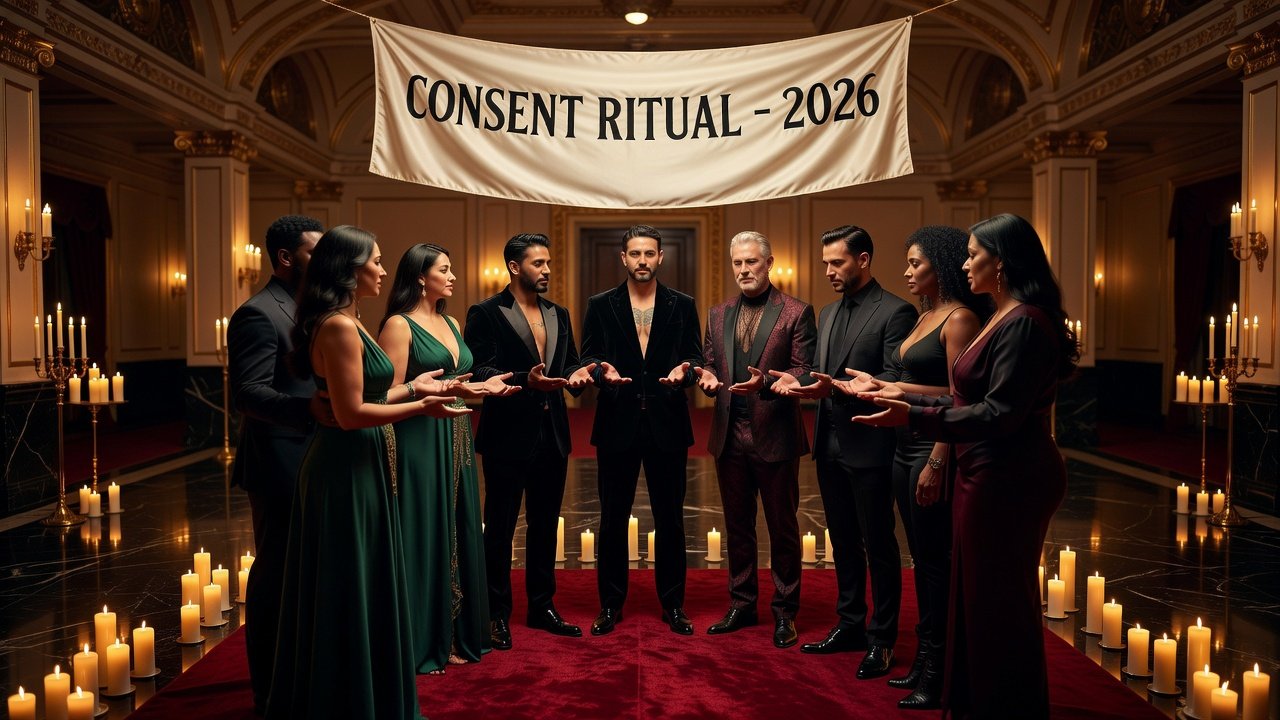
Introduction: Moving Beyond Checklists in Modern Consent Culture
In 2026, sex-positive parties, play parties, and kink events continue to evolve, emphasizing consent that feels alive and embodied rather than transactional. Attendees increasingly seek ways to transform consent into meaningful rituals that foster trust, excitement, and connection. This approach moves past simple yes/no checklists to create personalized, repeatable practices that honor individual boundaries while enhancing the group energy. Whether you are a first-time participant or a seasoned organizer, designing consent rituals helps set a tone of respect and creativity. These rituals can be adapted for solo arrivals, small groups, or large orgy-style gatherings. Throughout this guide, we draw on practical examples and proven methods to help you implement them effectively. The goal is to make consent an integral, sensual part of the experience that participants look forward to rather than a hurdle to clear.
By embedding rituals into the flow of an event, hosts and guests alike report deeper levels of presence and reduced anxiety. This is especially valuable in environments where multiple people interact dynamically over several hours. Rituals provide anchors that remind everyone of shared agreements even as energies shift.
Why Ritualize Consent in 2026 Sex-Positive Events
Consent rituals create psychological safety and anticipation. Research from leading health organizations highlights that structured communication reduces misunderstandings in intimate settings. By turning consent into a ritual, participants experience it as an ongoing, sensual practice instead of a one-time formality. This shift aligns with contemporary attitudes that value mindfulness and mutual pleasure. Key benefits include heightened awareness, clearer communication under the influence of substances or arousal, and stronger community bonds. Events that incorporate rituals often report smoother transitions between activities and fewer boundary incidents. Ritualization also supports neurodivergent attendees by offering predictable patterns that reduce cognitive load during high-stimulation moments.
Furthermore, rituals help bridge cultural differences among diverse crowds common at 2026 events. A well-designed ritual acts as a universal language that transcends verbal fluency, using gestures, breathwork, or symbolic objects to convey respect and intent.
Creating Personalized Consent Rituals
Start by reflecting on your own boundaries and desires. A personal ritual might involve a short breathing exercise paired with a verbal affirmation before entering a play space. For example, repeat a phrase like "I enter with clarity and openness" while visualizing your limits. Consider incorporating elements that engage the senses, such as applying a specific lotion, wearing a particular accessory, or performing a grounding movement sequence. These anchors make the ritual memorable and easier to replicate under varying conditions.
Step-by-step instructions for building your ritual:
- Identify core values such as respect, enthusiasm, and revocability through journaling or meditation.
- Choose sensory elements like a specific hand gesture, scent, or object that feels personally meaningful.
- Practice the ritual alone multiple times to embed it in muscle memory and refine timing.
- Test it at smaller, low-pressure events before scaling up to larger parties.
- Document what works and iterate based on post-event reflections.
Sample script: "Before we connect, I want to share my ritual: three deep breaths, then stating my safe word and one green-light activity. Would you like to join me in this?" This can be expanded for more depth, such as adding a brief body scan or sharing one current boundary and one desire.
Adapting Rituals for Groups and Events
Group rituals scale personal practices to shared experiences. A circle check-in where each person shares a current boundary or desire works well for parties of 8–20 people. For larger events, designate ritual leaders who guide timed segments using a microphone or visual cue. Adaptations might include silent versions using hand signals for those who prefer non-verbal communication or themed rituals that tie into the event's overall aesthetic, such as a masquerade-inspired consent exchange.
Comparisons of solo versus group rituals:
- Solo rituals offer deep personal grounding but may feel isolating in social settings; they excel for pre-event preparation and can be performed discreetly upon arrival.
- Group rituals build collective energy and normalize ongoing consent discussions; they require more facilitation to keep everyone engaged and may need adjustments for varying group sizes or energy levels.
Integration with orgy etiquette involves sequencing rituals before fluid activities begin. For instance, a group eye-contact circle followed by individual check-ins ensures everyone feels seen. Etiquette also suggests pairing rituals with clear spatial cues, like designated "consent zones" near entrances, and revisiting rituals after breaks or when new participants join. In larger orgy settings, a rotating ritual station can allow people to engage at their own pace without halting the entire flow.
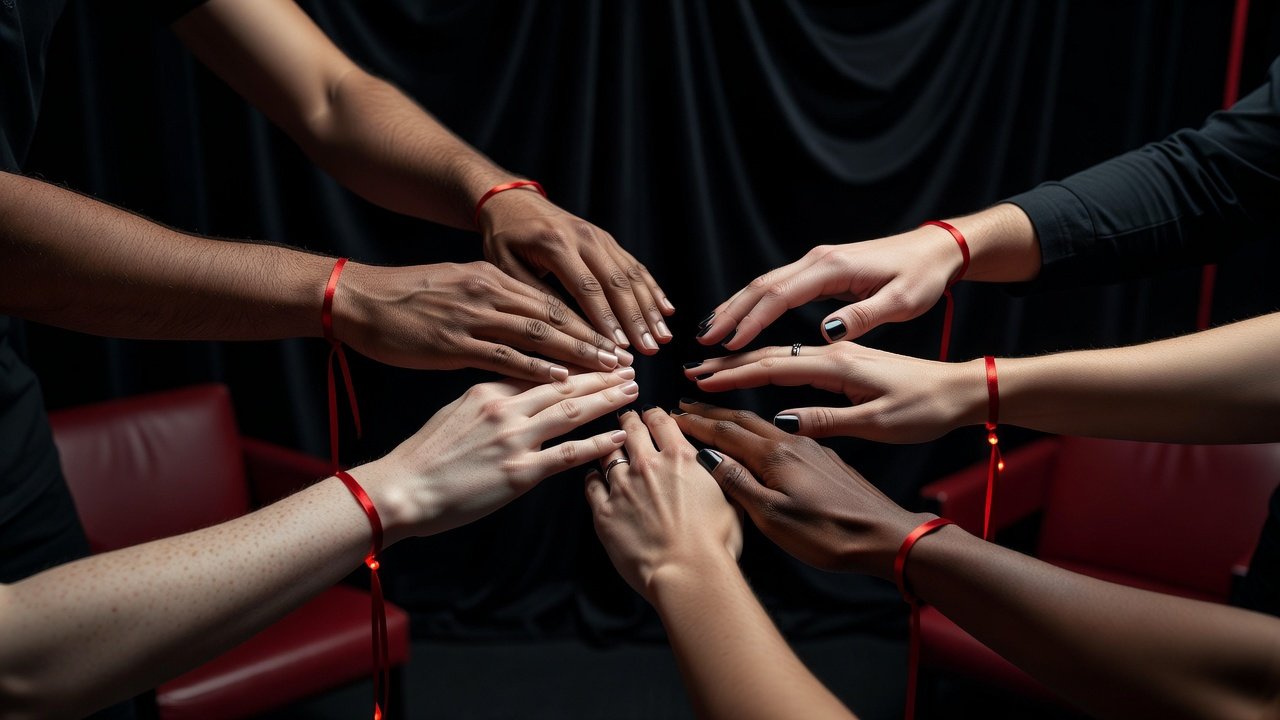
Real-World Examples from Successful 2026 Events
Many organizers now host "Consent Circles" at the start of play parties, drawing from established practices in kink communities. One popular format uses a talking object passed around the room, allowing each participant to voice current needs while others listen without interruption. Another example includes a "Boundary Altar" where guests place symbolic items representing limits or desires, which serves as a visual reference throughout the night. Some events incorporate movement-based rituals, such as synchronized breathing or light partner mirroring exercises, that double as icebreakers and consent affirmations. These approaches have been refined through feedback loops at recurring events, leading to higher satisfaction and repeat attendance. Hosts often collect anonymous surveys afterward to tweak elements like duration or inclusivity features.
Common Mistakes to Avoid
Overly rigid rituals can stifle spontaneity and make participants feel policed rather than empowered. Avoid assuming everyone shares the same cultural understanding of gestures or words—always provide explanations or alternatives. Always offer opt-out options and revisit rituals if the vibe shifts or new people arrive. Neglecting accessibility, such as for neurodivergent attendees or those with mobility considerations, can exclude participants; offer written and verbal versions as well as seated options. Another frequent error is failing to model the ritual yourself as a host, which can undermine its perceived importance.
Frequently Asked Questions
How long should a consent ritual take?
Most effective rituals last 5–15 minutes, depending on group size. Shorter versions suit fast-paced orgies, while longer ones fit intimate workshops where deeper sharing is encouraged.
Can rituals incorporate kink elements?
Yes, many participants blend light bondage or sensory play into consent rituals, provided all parties explicitly agree beforehand and the elements remain secondary to the consent focus.
What if someone forgets their ritual mid-event?
Have backup simple phrases ready, such as "Pause and check in," to maintain flow without pressure. Hosts can also keep printed prompt cards available at key locations.
How do rituals handle substance use at events?
Build in reminders within the ritual itself, such as a question about current capacity, and encourage sober check-ins at intervals throughout the night.
Are there cultural considerations for international attendees?
Yes, research common consent norms in advance and offer multilingual options or visual aids to ensure rituals feel welcoming rather than exclusionary.
Conclusion: Building a Culture of Embodied Consent
Designing consent rituals transforms sex-positive gatherings into spaces of genuine connection and safety. By personalizing practices, adapting them for groups, and learning from successful events, you contribute to a thriving community. Start small, iterate often, and always prioritize enthusiastic participation. For broader perspectives on sexual wellness, explore resources from CDC and WHO.

No comments yet. Be the first!