 Spicy Trip

Introduction: Navigating Spicy Choices in 2026
The landscape of adult adventures continues to evolve rapidly in 2026, with more individuals openly exploring the contrasts between solo erotic stories and shared group experiences. This in-depth comparison draws directly from authentic lifestyle confessions submitted throughout the year, examining thrill levels, emotional outcomes, and day-to-day logistics. Readers searching for guidance on independent versus collective paths will find detailed participant accounts, proven safety and consent protocols, boundary-setting techniques, and common pitfalls that have emerged from real submissions. The goal is to empower you to select formats that align with your current lifestyle stage while spotlighting fresh 2026 trends in both solo and group adventures.
Solo Spicy Experiences: Freedom and Self-Discovery
Solo adventures grant complete autonomy over pace, fantasies, and environment. Recent 2026 confessions repeatedly emphasize heightened self-awareness and the freedom to experiment without external judgment or scheduling conflicts. Participants describe immersive sessions involving erotic fiction, private role-play, sensual self-touch rituals, or carefully curated virtual interactions. One recurring theme is the ability to revisit personal triggers at any time, creating repeatable emotional recharge without compromise. A 32-year-old marketing executive shared how her weekly solo evenings with sensory playlists and guided audio stories helped her process work stress while deepening body awareness. Another confession from a 45-year-old parent highlighted how solo exploration fit around family responsibilities, allowing short, focused sessions during rare quiet moments at home.
Emotional Outcomes and Thrill Levels
Many solo explorers report steady, introspective satisfaction rather than explosive highs. The thrill often stems from self-mastery and the gradual unfolding of personal fantasies. Emotional outcomes include increased confidence and reduced performance pressure, though some note occasional feelings of isolation when intense experiences lack anyone to debrief with afterward.
Key Logistics for Solo Play
- Establishing a dedicated private space with mood lighting, comfortable textiles, and minimal interruptions
- Selecting high-quality audio or visual stimuli that match evolving preferences
- Building post-session aftercare routines such as hydration, stretching, or reflective journaling
- Tracking personal patterns in a private notebook to refine future sessions
Group Spicy Experiences: Shared Energy and Connection
Group formats deliver collective thrill through social dynamics and shared vulnerability. 2026 confessions describe powerful sensations of belonging alongside the need to navigate multiple comfort zones simultaneously. Events range from intimate vetted gatherings to larger themed parties where structured consent processes are standard. Recent trends show growing emphasis on pre-screened guest lists, inclusive themes, and post-event support networks that help participants process experiences together.
One detailed account from a couple attending their first 2026 group event noted the electric atmosphere created by synchronized energy, yet stressed the importance of having pre-agreed exit signals when intensity peaked unexpectedly.
Emotional Outcomes and Thrill Levels
Group participants often describe amplified excitement from witnessing others' pleasure and receiving external validation. Emotional results can include stronger relational bonds when communication succeeds, but also temporary overwhelm if boundaries feel stretched in the moment.
Key Logistics for Group Play
- Hosting or attending pre-event video calls to align expectations and hard limits
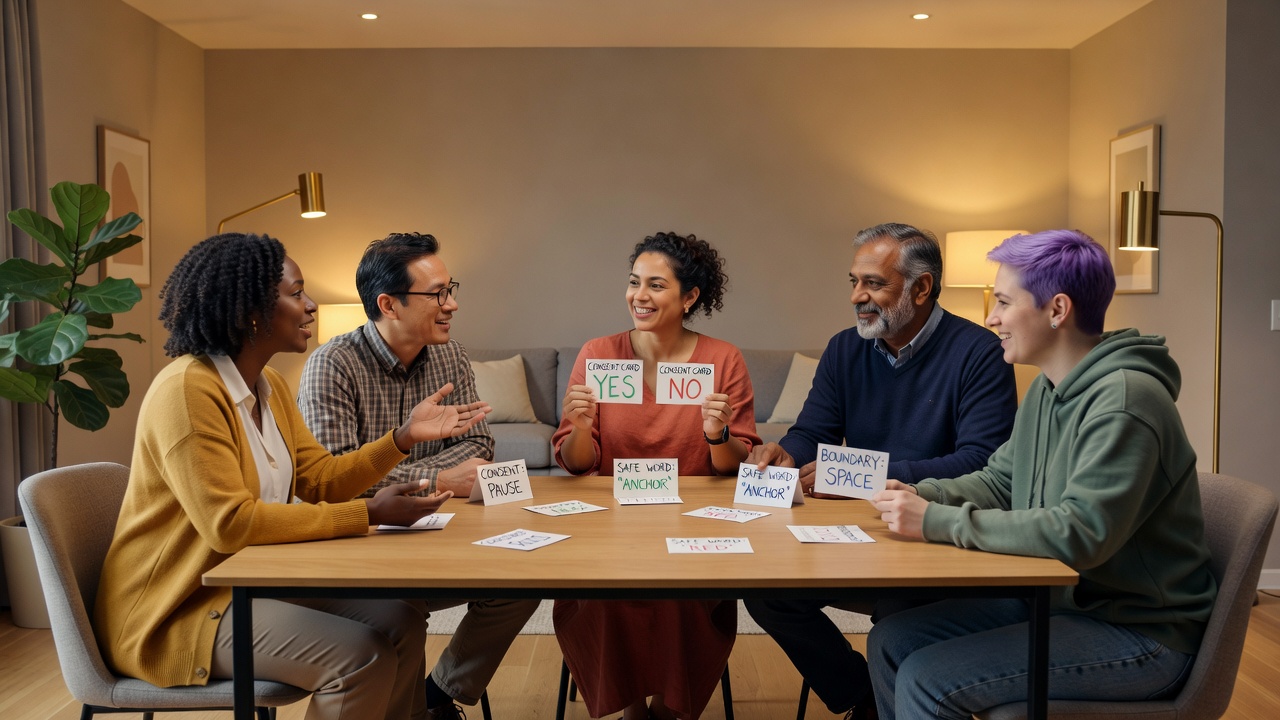
- Agreeing on universal safe words and nonverbal signals understood by everyone present
- Arranging transportation and private recovery spaces for after the event
- Scheduling group debrief sessions within 48 hours to address any lingering emotions
Side-by-Side Comparison: Pros, Cons, and Practical Examples
Solo Adventures
- Pros: Complete schedule control, zero coordination costs, deep personal insight through uninterrupted focus, ability to pause or pivot instantly
- Cons: Risk of emotional flatness without external energy, limited exposure to new ideas, potential for repetitive patterns that reduce long-term novelty
Group Adventures
- Pros: Heightened sensory stimulation from multiple participants, diverse perspectives that spark fresh fantasies, built-in community support for aftercare
- Cons: Complex scheduling across multiple calendars, higher emotional labor to monitor group dynamics, requirement for robust upfront consent discussions that can feel time-intensive
Real-world example: A solo explorer in 2026 used a simple decision checklist to test one group event after six months of solo-only routines, discovering that the shared format reignited excitement she had not felt independently for months.
Safety, Consent, and Boundary-Setting Techniques
Both formats demand intentional safety practices. Solo explorers benefit from self-check-ins every 15 minutes during intense sessions and pre-written personal limits lists. Group settings require documented agreements, visible consent cards, and rotating monitors who ensure everyone remains comfortable. Techniques such as the traffic-light system (green for continue, yellow for slow down, red for stop) appear frequently in successful 2026 accounts. Regular verbal check-ins every 20 minutes during group activities and scheduled aftercare blocks prevent emotional fallout. Additional authoritative information on sexual health and consent frameworks is available through World Health Organization resources and CDC sexual health guidelines.
Decision-Flow Steps to Choose Your Format
- Evaluate current lifestyle demands including work hours, relationship status, and available private time
- Clarify whether autonomy or social connection ranks higher in your current emotional needs
- Review journal notes from past experiences to identify satisfaction patterns
- Experiment with low-stakes versions such as a solo guided session versus a small trusted group meetup
- Reflect 48 hours afterward using a simple rating scale for thrill, emotional impact, and logistical ease
- Reassess every three months as life circumstances shift
Common Pitfalls Revealed in 2026 Confessions
Reader submissions repeatedly warn against skipping pre-session communication or underestimating emotional aftereffects. In groups, unaddressed jealousy surfaced when participants compared experiences in real time. Solo explorers reported burnout from daily sessions without built-in rest periods. Proactive boundary reviews and written personal policies helped many avoid these recurring issues.
Frequently Asked Questions
How do I handle jealousy in group settings?
Establish explicit rules during planning meetings and schedule dedicated one-on-one reconnection time immediately afterward. Many 2026 participants found that naming jealousy as a normal emotion and processing it through structured debriefs reduced its intensity significantly.
What communication strategies work best across both formats?
Use clear “I feel” statements during planning and follow-up phases. For groups, create a shared digital document listing all boundaries. For solo work, voice notes to yourself before and after sessions maintain self-dialogue and clarity.
Is aftercare necessary for solo experiences?
Absolutely. Self-aftercare such as warm showers, favorite snacks, and 30 minutes of non-sexual reflection supports emotional equilibrium and prevents post-session dips in mood.
Conclusion: Empowering Your 2026 Choices
Both solo and group spicy experiences deliver meaningful rewards when thoughtfully matched to personal needs and current life demands. By prioritizing consent, open communication, and ongoing self-awareness, readers can confidently navigate either path. Continued learning through reputable sources such as Planned Parenthood helps maintain safe, satisfying adventures throughout the year.


No comments yet. Be the first!