 Spicy Trip

Introduction: Embracing Unexpected Adventures in 2026
In 2026, conversations around spicy lifestyle confessions have become more open and widespread than in previous years. Everyday people are sharing how they ventured into new adult adventures that transformed their intimate lives. These stories often highlight themes of rediscovery, creativity, and personal growth. Whether you are navigating a long-term partnership or exploring independently, the blend of real-feeling narratives and practical guidance can provide meaningful inspiration. This comprehensive guide explores key areas including rekindling passion, experimenting with role-play, and discovering personal boundaries. Along the way you will find seven detailed anonymized stories, step-by-step safety advice, comparisons of adventure styles, common pitfalls to avoid, and a robust FAQ addressing consent and emotional considerations. The goal is to empower readers with concrete ideas they can adapt thoughtfully to their own situations.
Many individuals enter these explorations seeking variety while maintaining emotional safety. Research from global health authorities underscores the importance of communication in sexual well-being. As societal attitudes continue to evolve, 2026 has seen increased emphasis on consent education and aftercare practices that support lasting positive outcomes.
Rekindling Passion in Long-Term Relationships
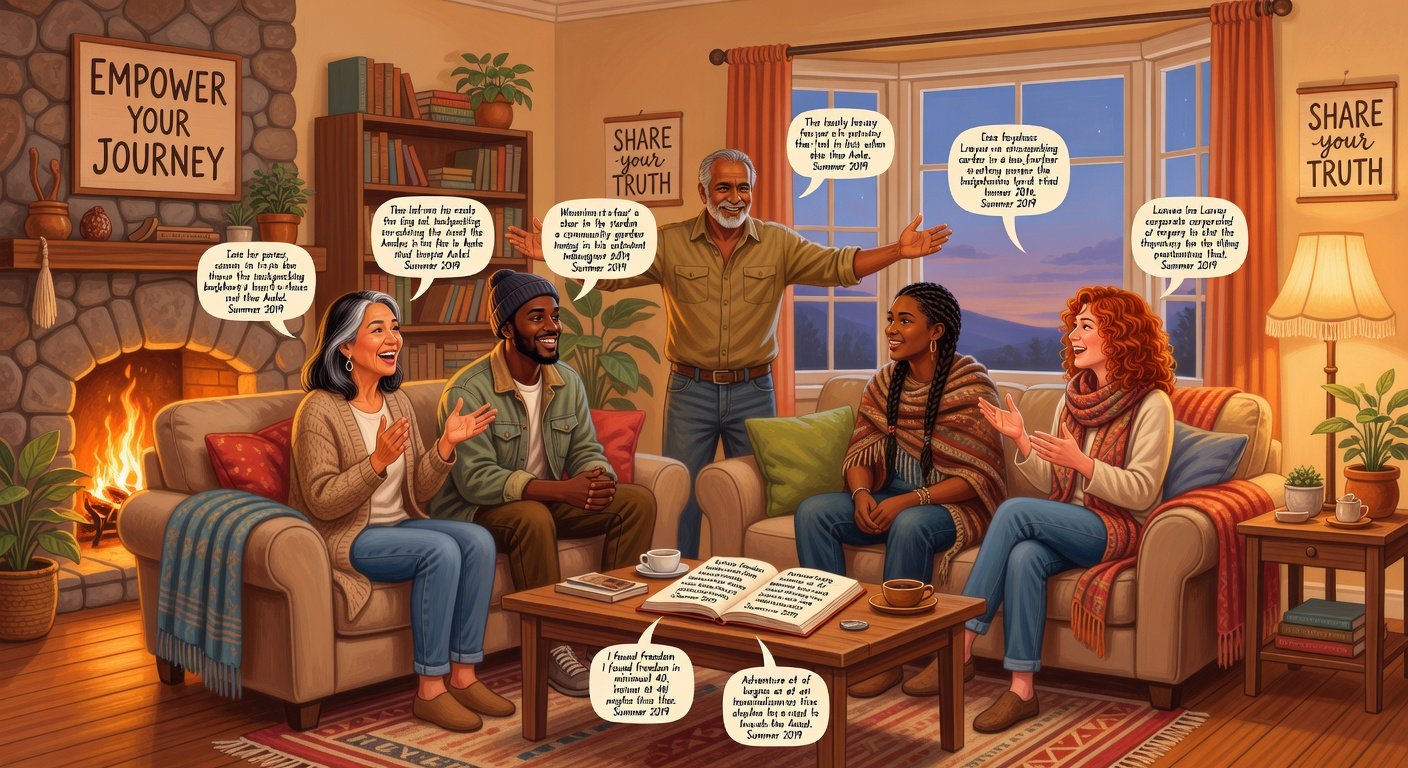
Long-term relationships frequently encounter periods where physical and emotional intimacy feels routine. Confessions shared throughout 2026 demonstrate that intentional efforts can restore excitement without drastic changes. Couples describe introducing weekly sensual check-ins where each partner shares one fantasy or appreciation. Others incorporate small surprises such as massage sessions or extended foreplay focused on non-genital touch. One recurring theme involves scheduling dedicated intimacy time that mimics early dating rituals, complete with anticipation-building texts throughout the day. These approaches help rebuild connection by prioritizing presence over performance. Partners who succeeded often noted improved overall relationship satisfaction and reduced stress levels after consistent practice over several weeks.
Experimenting with Role-Play at Home
Role-play offers an accessible entry point for couples seeking novelty within familiar surroundings. Participants in recent confessions detail scenarios ranging from classic power dynamics to creative character inventions drawn from books or films. Success depends on clear pre-planning: selecting roles that excite both parties, gathering simple props like scarves or hats, and establishing firm boundaries beforehand. Many emphasize starting with low-stakes sessions lasting thirty minutes before extending duration. Communication remains central, with mid-scene check-ins using safe words to maintain comfort. Home-based role-play also allows easy integration of everyday items, keeping preparation minimal while maximizing imaginative engagement.
Discovering Personal Boundaries Through Lifestyle Confessions
Sharing experiences within trusted circles or private journals helps individuals map their evolving limits. Stories from 2026 illustrate how people identified previously unknown preferences through gradual experimentation. For instance, some discovered enjoyment in sensory elements like temperature play while realizing certain power exchanges felt uncomfortable. The process typically involves reflection after each encounter, noting emotional responses alongside physical sensations. This boundary-mapping fosters greater self-trust and clearer communication with partners. Over time, participants report feeling more confident advocating for their needs in all areas of intimacy.
Seven Anonymized 2026 Spicy Lifestyle Stories
- A couple married for twelve years reignited their connection during a staycation by introducing light bondage elements using silk ties and soft commands. They spent time discussing expectations the night before and followed up with extended cuddling that reinforced emotional closeness.
- Two busy professionals in their thirties created a teacher-student scenario using household furniture as props. They limited sessions to one hour and maintained a shared document listing likes and dislikes that they updated after each experience.
- A single woman attended her first lifestyle social gathering after months of online research. She practiced voicing her limits in advance with a friend and left the event feeling empowered rather than pressured.
- A long-distance pair used video calls for role-play involving fictional characters from a favorite series. They incorporated aftercare texts the following morning to process any lingering emotions and strengthen their bond.
- Partners explored sensory deprivation with blindfolds and ice cubes, discovering new areas of sensitivity. They kept sessions short initially and always scheduled thirty minutes of quiet conversation afterward.
- Friends transitioning into romantic involvement tried gentle power exchange dynamics supported by weekly review conversations. This structure helped them navigate shifting emotions while building trust over several months.
- A polyamorous triad developed a detailed consent checklist covering physical and emotional aspects before attempting a shared adventure. Regular group debriefs ensured everyone felt heard and respected throughout the process.
Practical Steps for Safely Trying Similar Adventures
Approaching new experiences with preparation increases enjoyment and reduces risk. Begin by having honest conversations outside the bedroom about desires, fears, and absolute no-gos. Next, select a safe word or gesture that halts activity instantly for any participant. Start with low-intensity experiments rather than ambitious multi-hour scenes. Document agreements in a private note that both partners can reference. Incorporate aftercare rituals such as hydration, physical touch, or verbal reassurance to support emotional recovery. Consult authoritative resources like those provided by the World Health Organization for broader perspectives on sexual health. Consider joining moderated online forums or local educational workshops for additional guidance. Finally, schedule follow-up discussions one or two days later to evaluate what felt good and what to adjust.
Comparisons Between Different Adventure Styles
Role-play tends to emphasize performance and escapism, making it ideal for couples who enjoy theatrical elements and quick setup. In contrast, boundary-discovery work is slower and more introspective, suiting individuals focused on long-term self-knowledge and emotional depth. At-home experiments offer privacy and convenience but may lack the social stimulation found in group or event-based adventures. Group experiences can amplify excitement through shared energy yet demand stronger negotiation skills and clearer exit strategies. Many participants find blending styles—such as adding light role-play to boundary exploration—creates the most satisfying results tailored to their unique relationship dynamics.
Common Mistakes to Avoid
One frequent error involves skipping pre-discussion and jumping straight into action, which can lead to misunderstandings. Another is neglecting aftercare, leaving partners feeling disconnected afterward. Overcommitting to elaborate scenarios without testing simpler versions often causes fatigue or disappointment. Failing to revisit consent mid-experience ignores that feelings can shift in the moment. Finally, comparing personal journeys to highly edited online portrayals sets unrealistic expectations and diminishes individual progress.
Conclusion
2026 spicy lifestyle confessions reveal that unexpected adult adventures thrive when grounded in consent, creativity, and ongoing communication. By learning from detailed stories and applying structured safety steps, readers can explore confidently while prioritizing well-being. These experiences often lead to stronger connections and greater personal fulfillment when approached thoughtfully.
Frequently Asked Questions
How do I ensure ongoing consent during new adventures?
Consent functions as a continuous dialogue rather than a single agreement. Use verbal check-ins at regular intervals and honor any pause or stop signal without question or pressure to continue.
What if emotional impacts feel overwhelming after an experience?
Emotional responses ranging from elation to temporary vulnerability are common. Allocate dedicated time for processing through conversation or journaling. If distress persists, seek support from qualified therapists specializing in intimacy concerns.
Should I share my experiences with friends or keep them private?
Sharing depends on personal comfort and trust levels. Many find value in selective disclosure within supportive circles while maintaining privacy around intimate details to protect all involved parties.
How can I introduce the idea of trying something new to my partner?
Frame the conversation around mutual curiosity rather than criticism of current routines. Suggest exploring one small idea together and emphasize that either person can decline without judgment.


No comments yet. Be the first!