 Spicy Trip
Exploring LGBTQ+ Inclusive Swingers Clubs in 2026
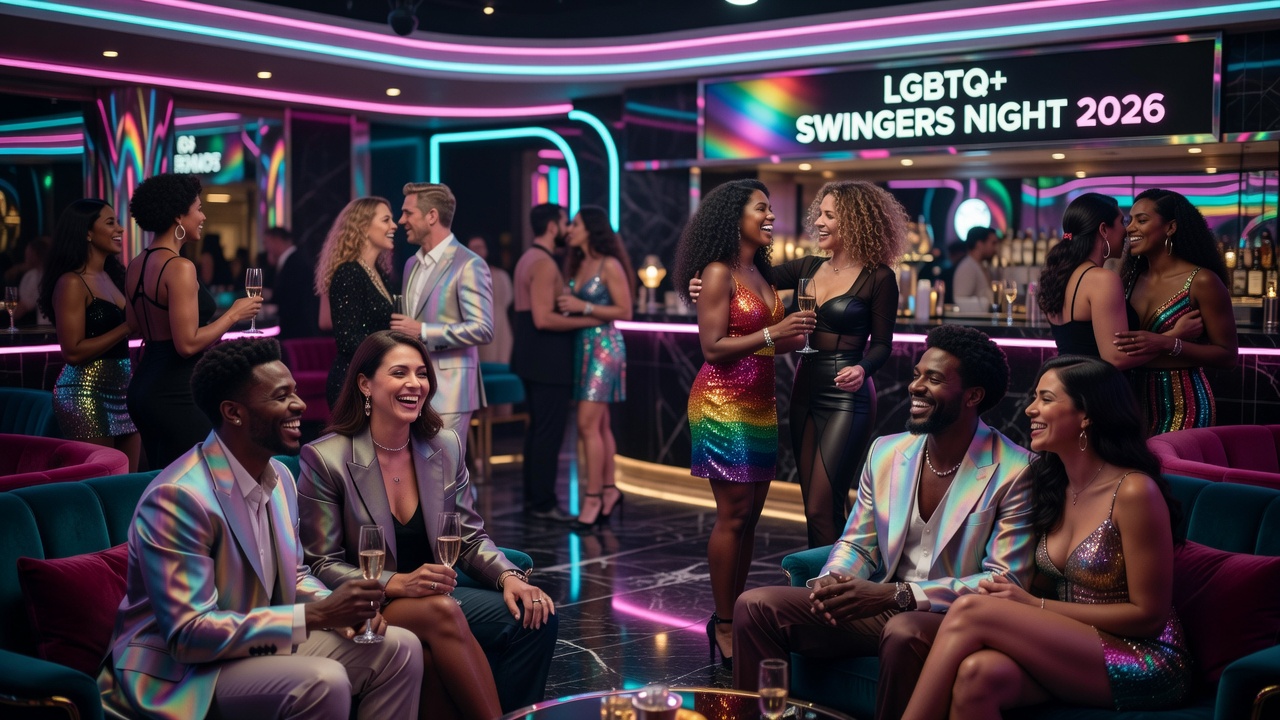
The adult nightlife scene continues to evolve in 2026, with more venues prioritizing genuine inclusivity for LGBTQ+ communities. These spaces go beyond basic tolerance to create affirming environments where queer individuals feel safe, respected, and celebrated. This guide examines the trend through authentic reviews, practical comparisons, and actionable advice for those seeking welcoming erotic venues. Readers searching for inclusive options often want detailed insights into how clubs adapt their operations, from entry processes to ongoing event programming, to support diverse identities and relationship styles.
Why Inclusivity Matters in Swingers Clubs
Traditional swingers clubs have historically catered to heterosexual couples, often leaving LGBTQ+ participants feeling excluded or unsafe. In 2026, forward-thinking venues are addressing this gap by implementing targeted policies that foster belonging. Key elements include gender-neutral facilities, pronoun respect training for staff, and zero-tolerance policies for discrimination. These changes enhance the overall experience and foster stronger community connections. Many clubs now recognize that inclusive practices lead to higher repeat attendance and richer social interactions, as participants from varied backgrounds share experiences and build networks. Without such efforts, queer visitors may encounter microaggressions or outright rejection, undermining the very purpose of these adult spaces.
Venue Accessibility and Safety Protocols
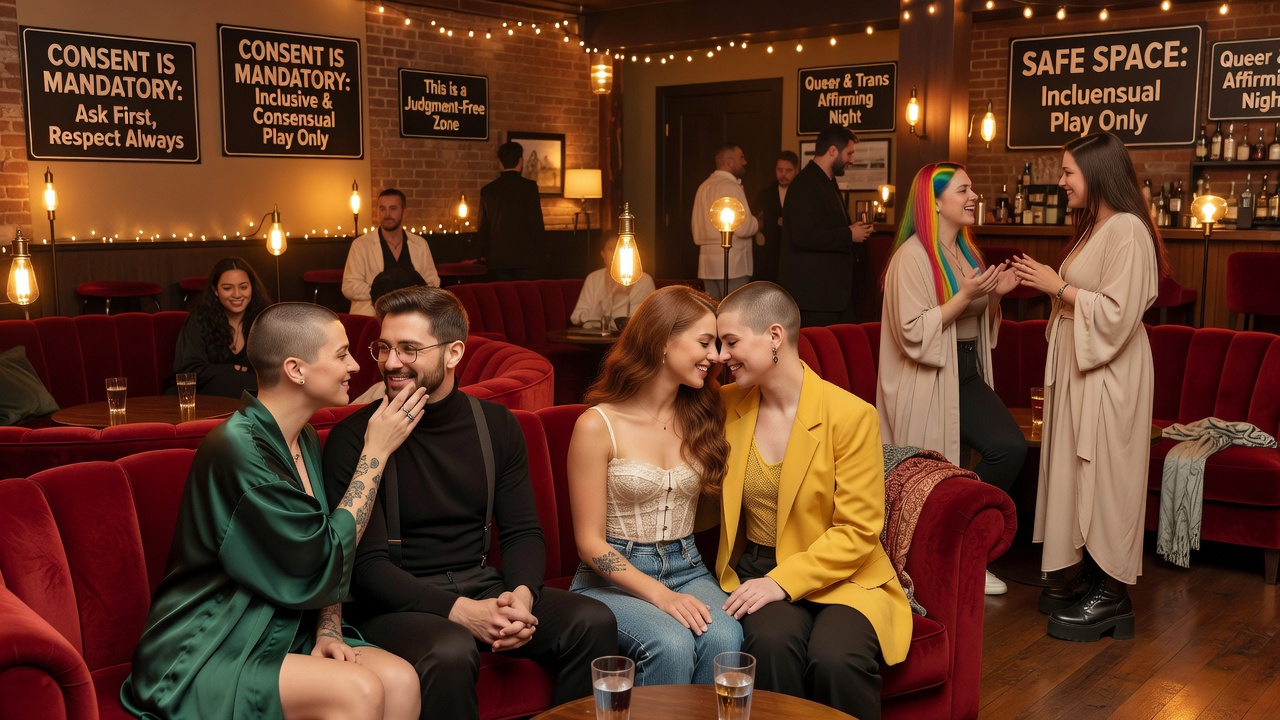
Accessibility features now extend beyond physical ramps to include sensory-friendly zones, clear communication about boundaries, and adaptive equipment for those with mobility needs. Safety protocols tailored for queer participants often involve on-site consent ambassadors, discreet medical support, and partnerships with local LGBTQ+ health organizations. CDC resources provide foundational guidance on sexual health practices that many inclusive clubs reference in their orientation sessions. Venues also emphasize mental health check-ins to ensure participants feel emotionally supported throughout events. Additional measures include private changing areas, visible signage in multiple languages, and app-based check-in systems that allow guests to pre-register pronouns and preferences. These protocols create layers of protection that go far beyond standard venue rules.
Comparing Top Inclusive Spots Across Regions
North American venues lead in structured inclusivity programs, with many offering dedicated queer nights alongside mixed events that welcome all attendees. European clubs often excel in architectural accessibility and multilingual support, making them ideal for international travelers. In Asia-Pacific regions, emerging spots focus on cultural sensitivity training to navigate local norms while maintaining global standards of acceptance. Reviews highlight how these differences create unique atmospheres, from high-energy dance floors in urban centers to intimate, conversation-driven lounges in smaller cities. For instance, clubs in major U.S. cities tend to emphasize technology integration such as digital consent tools, while European locations prioritize architectural redesigns for fluid movement between spaces. Comparisons also reveal that Australian venues frequently incorporate indigenous perspectives into their programming, adding another dimension of cultural respect.
Practical Examples of Successful Inclusivity Practices
Successful clubs demonstrate inclusivity through concrete actions that guests notice immediately. One example involves themed orientation workshops where newcomers learn venue etiquette alongside identity-specific considerations, such as navigating polyamorous dynamics or gender-affirming care discussions. Another practice includes curated playlists and decor that reflect diverse queer histories, creating visual and auditory cues of welcome. Staff diversity also plays a role, with many venues hiring from within LGBTQ+ communities to build immediate rapport with guests. Clubs that host regular feedback sessions with community representatives often refine their offerings based on real attendee input, leading to ongoing improvements like expanded non-alcoholic options or quieter zones for introverted participants.
Tips for First-Time Visitors
- Research venue websites for explicit inclusivity statements before attending, paying close attention to stated values and past event recaps.
- Arrive early to participate in welcome orientations that cover consent and boundaries in detail.
- Communicate your identity and preferences clearly with hosts upon entry to ensure tailored guidance.
- Bring personal items like preferred protection supplies to maintain comfort and autonomy.
- Connect with online forums or community groups for recent attendee experiences and insider tips.
- Prepare a personal boundary script in advance to handle unexpected situations confidently.
- Consider attending smaller events first to build familiarity before larger gatherings.
How to Research and Prepare Effectively
Thorough preparation starts with verifying recent reviews on trusted platforms and cross-referencing them with official venue statements. Prospective visitors should also examine the club's social media for evidence of ongoing queer events and staff training highlights. Packing essentials such as comfortable clothing layers and personal hygiene items helps create a seamless evening. Many experienced attendees recommend joining pre-event virtual meetups to connect with others beforehand, reducing first-night anxiety. Understanding local transportation options and nearby support services adds an extra layer of security for out-of-town guests.
Emerging Trends: Themed Nights for Specific Identities
2026 sees a rise in specialized events such as trans-focused evenings, bisexual mixers, and non-binary social hours. These nights allow participants to connect with like-minded individuals while still accessing the broader club facilities. Themed programming often incorporates educational elements, such as workshops on queer intimacy or discussions around evolving relationship structures. Additional trends include hybrid virtual-in-person events for those unable to attend physically and collaborations with local artists to create immersive, identity-affirming environments. These developments reflect broader cultural shifts toward celebrating intersectional identities within adult spaces.
FAQs About Acceptance and Etiquette
How do clubs ensure acceptance for transgender participants?
Many venues require staff training on gender identity and maintain clear policies against misgendering or invasive questions. Guests are encouraged to use provided pronoun badges, and some clubs offer private introduction sessions to ease entry.
What should I expect regarding consent protocols?
Expect visible signage, verbal check-ins, and the option to pause or exit any interaction. World Health Organization guidelines on sexual health inform many of these frameworks, ensuring consistency across events.
Are there dress codes or behavioral expectations?
Most clubs maintain smart-casual or themed attire guidelines while enforcing respectful conduct. First-timers benefit from reviewing rules in advance to avoid misunderstandings.
How are community events integrated into regular programming?
Clubs often schedule identity-specific nights that feed into larger mixed events, allowing seamless transitions and broader networking opportunities.
What resources exist for ongoing support after visiting?
Many venues partner with National Institutes of Health initiatives or local groups to provide follow-up counseling and health information.
Conclusion
LGBTQ+ inclusive swingers clubs in 2026 represent a meaningful shift toward more equitable adult nightlife. By focusing on accessibility, safety, and community-driven events, these venues deliver affirming experiences that enrich diverse participants. Whether planning your first visit or seeking new spots, the practical details shared here support informed and enjoyable choices that prioritize respect and connection.
No comments yet. Be the first!