 Spicy Trip
Introduction to Sensory Immersion in Adult Nightlife
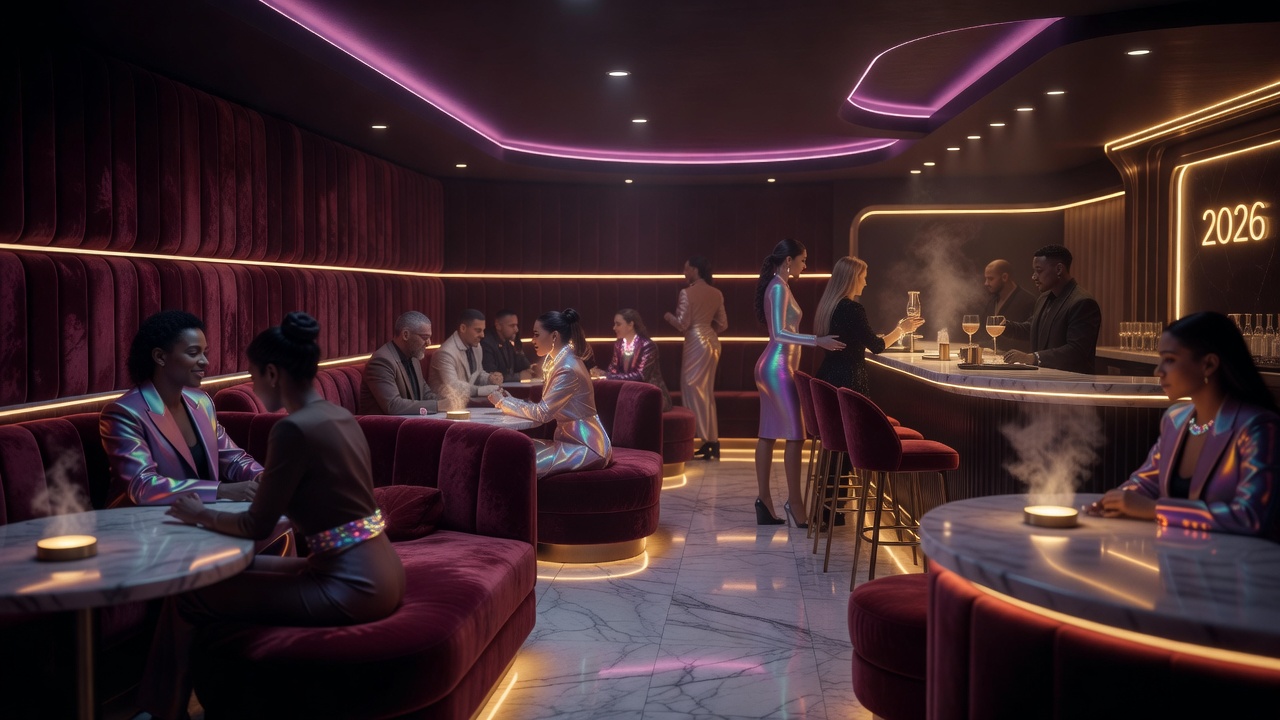
In 2026, erotic venues and swingers clubs are evolving beyond simple social gatherings into sophisticated environments that engage all five senses. They now prioritize multi-sensory design to craft unforgettable experiences. Lighting, soundscapes, scents, and textures work together to heighten engagement for visitors seeking more than standard nightlife reviews. This approach transforms parties into deeply immersive events that linger in memory long after the night ends. Readers searching for unique adult party enhancements often want practical insights into these elements, including how they support consent-focused, sex-positive environments while addressing individual needs like comfort and stimulation levels. Sensory design adds layers of emotional and physical connection that basic events simply cannot match.
Key Sensory Elements That Define Immersive Venues
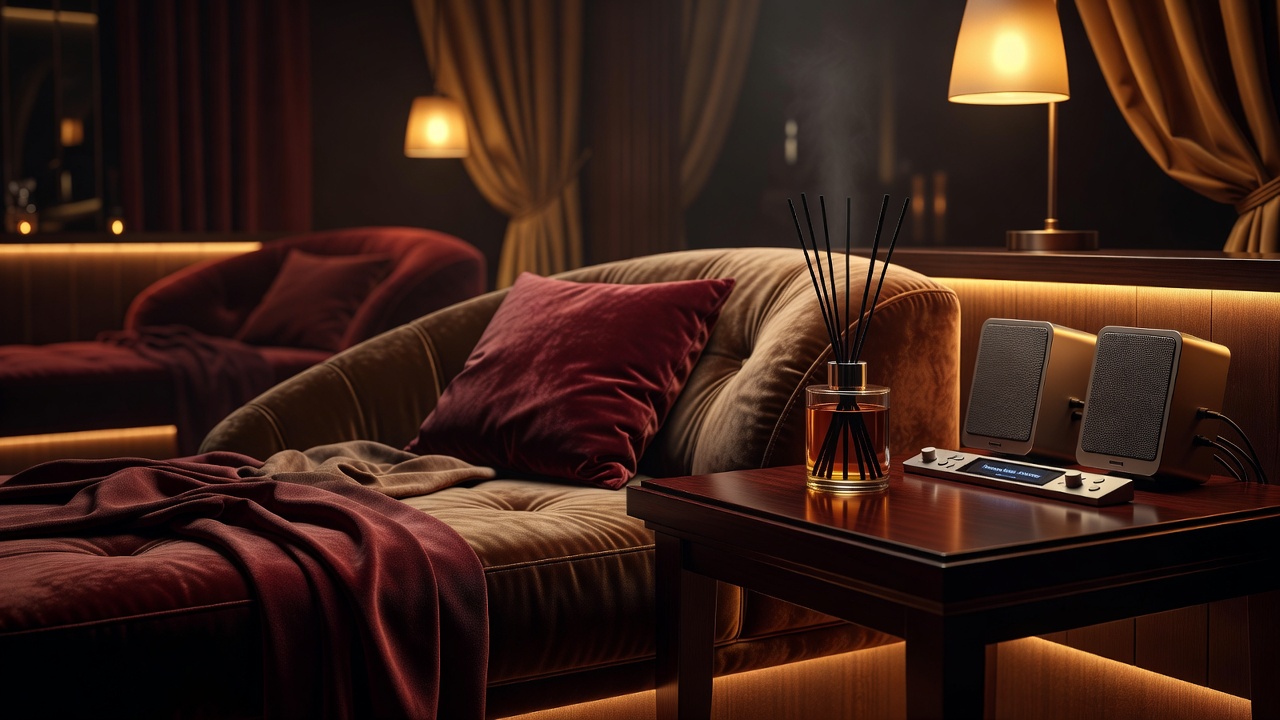
Lighting sets the mood through dynamic color shifts, subtle dimming, and programmable LED systems that respond to crowd energy. Soundscapes blend curated music with ambient effects such as distant echoes or natural rhythms to create emotional layers that guide movement and interaction. Scents delivered via hidden diffusers or natural materials like essential oil-infused fabrics evoke intimacy without overwhelming sensitive noses. Textures in furniture, flooring, and decor invite tactile exploration that complements visual and auditory cues, from smooth leather to soft furs and cool stones. These components combine to support a holistic experience where each sense reinforces the others. Venues that master this balance stand out in 2026 reviews for delivering memorable nights that feel both luxurious and inclusive.
Venue-Specific Sensory Audits from 2026 Events
Consider a prominent swingers club in a major European city that hosted a February 2026 immersive night. Its lighting featured programmable LED arrays shifting from deep reds to soft ambers, synced with music tempos to guide energy levels throughout the evening. Sound design incorporated layered electronic tracks with occasional natural sound elements like gentle rainfall or heartbeat pulses. Scents rotated between warm vanilla and fresh citrus via hidden diffusers placed strategically around lounge areas. Textures ranged from velvet lounges to smooth marble accents and woven rugs that encouraged barefoot exploration. Another venue in North America emphasized natural materials during a spring 2026 event. Low, flickering candle-style lights created intimacy while soundscapes used binaural audio for spatial depth that made music feel three-dimensional. Essential oil blends focused on calming lavender and sandalwood, paired with plush fabrics, leather seating, and wooden panels that absorbed sound softly. A third example from an Asian-Pacific location in March 2026 featured water elements for texture, with gentle misting systems and reflective surfaces that played with light to create movement illusions.
Comparisons of Immersive Setups Across Venues
When comparing European and North American approaches, European spots often lean toward high-tech integration for precise control over lighting and sound timing, while North American venues prioritize organic elements like real wood and plant-based scents. Both can achieve strong results, but success depends on execution consistency. A venue with mismatched elements risks breaking immersion, whereas balanced designs foster deeper participation. Asian-Pacific venues frequently incorporate water and mist for cooling textures that contrast with warm lighting, offering a unique tropical twist. These differences allow visitors to select experiences based on personal sensory preferences, whether they crave technological precision or nature-inspired calm.
Step-by-Step Sensory Checklists for Visitors
Before attending, prepare with this practical list to ensure a positive experience:
- Assess personal sensory preferences: note favored lighting levels, music volumes, and scents that either relax or energize you.
- Review venue policies on allergies and overstimulation accommodations in advance via their website or direct contact.
- Pack items like earplugs, scent-neutral clothing, or a small fan for personal comfort.
- Arrive early to acclimate gradually to the environment and identify quiet corners.
- Communicate boundaries clearly with partners or staff regarding sensory limits before the night intensifies.
- Test small areas first, such as a lounge zone, before moving to high-energy dance floors.
During the event, pause periodically to evaluate each sense and adjust position or activity accordingly. After the event, reflect on what worked to refine future choices.
Practical Tips for Maximizing Sensory Engagement
Choose outfits with varied textures that interact pleasingly with venue surfaces, such as silk that glides over velvet. Hydrate consistently, as intense sensory input can increase physical awareness and thirst. Experiment with different areas of the venue to sample contrasting setups, moving from bright entry zones to dimmer private areas. Engage mindfully by focusing on one sense at a time before integrating all, perhaps starting with sound before adding visual focus. Bring a trusted companion for shared sensory exploration and immediate feedback. Consider timing your visit during less crowded hours for a more controlled sensory introduction. These strategies help transform passive attendance into active, rewarding participation that maximizes enjoyment while respecting personal limits.
Mistakes to Avoid When Exploring Sensory Venues
One common mistake is ignoring personal triggers, such as strong scents that cause headaches, leading to early exits. Another is failing to communicate needs with staff, missing out on accommodations like adjustable lighting in certain rooms. Overcommitting to high-stimulation zones without breaks can cause fatigue. Always research venue layouts beforehand and avoid assuming all areas match the advertised sensory profile. Skipping hydration or rest periods diminishes the overall experience, especially in long events.
FAQ: Common Concerns About Overstimulation and Allergies
How do venues handle overstimulation? Many provide quiet zones with reduced lighting and sound for recovery periods, allowing guests to reset before rejoining the main areas.
What if I have scent allergies? Contact the venue in advance; reputable locations maintain lists of used fragrances and offer scent-free options. For general guidance on sensitivities, consult resources from World Health Organization.
Are there options for sound-sensitive guests? Some events offer designated low-volume spaces or noise-cancelling accessories upon request, creating calmer environments within the same venue.
Can sensory elements trigger unexpected reactions? Yes, so communicate openly and have an exit plan. Additional health information is available via Centers for Disease Control and Prevention.
How can I prepare for texture-related discomfort? Wear layers that protect skin while allowing optional tactile play, and test materials during the day if possible.
What resources exist for sensory processing concerns? Organizations like National Institutes of Health provide overviews on sensory sensitivities that apply across settings.
Conclusion
Sensory experiences at erotic venues continue to redefine adult nightlife in 2026. By understanding and preparing for lighting, sound, scents, and textures, visitors can enjoy richer, more personalized encounters. Apply the audits, comparisons, checklists, and tips shared here to select and navigate events that align with your preferences for truly immersive nights that combine excitement with thoughtful design.
No comments yet. Be the first!