 Spicy Trip
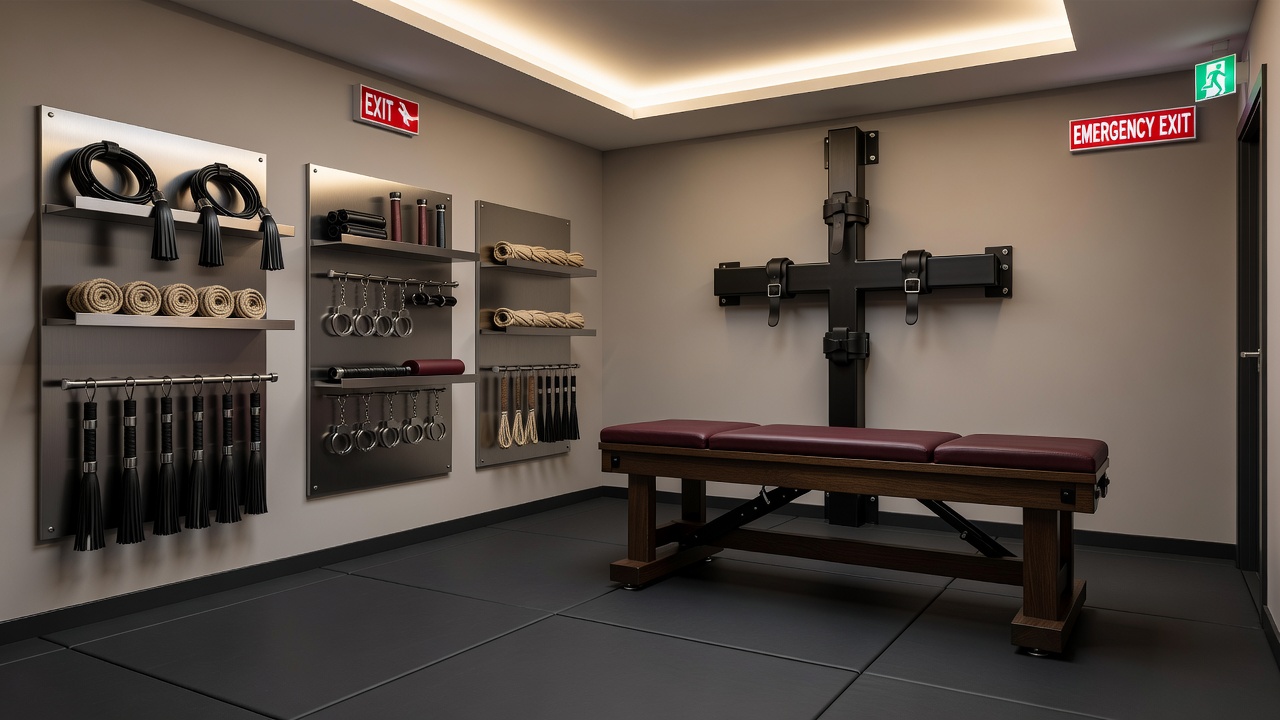
Introduction to BDSM Play Space Safety Audits
Creating a secure environment for BDSM activities begins with a systematic safety audit. This guide helps beginners and experienced practitioners evaluate home or private spaces for physical risks, tool integrity, supply accessibility, and emergency preparedness. Regular audits reduce accidents and build confidence during scenes by addressing potential issues proactively rather than reactively. Whether your setup is in a dedicated room, bedroom corner, or temporary arrangement, the process ensures the physical surroundings support rather than hinder safe exploration. Conducting these reviews aligns with broader health principles promoted by organizations like the World Health Organization, which emphasize proactive risk management in all personal activities.
Many practitioners overlook how environmental factors influence scene dynamics. Poor planning can interrupt flow, cause minor injuries that escalate, or create hesitation that affects consent and enjoyment. A thorough audit turns your space into a reliable foundation for play, allowing focus on connection and sensation instead of worry. This beginner-oriented approach draws from core kink basics while remaining adaptable to individual preferences and living situations.
Why Perform Regular Safety Audits?
Audits catch issues before they escalate into problems. Flooring slips, dim lighting, or frayed restraints can turn enjoyable play into injury. By reviewing your space quarterly, you maintain consistency and adapt to changes like new furniture, seasonal humidity affecting materials, or rearranged layouts. This practice supports ongoing consent and communication by ensuring the environment itself does not introduce unexpected variables that might require mid-scene adjustments.
Consistency matters because play spaces evolve. Partners may bring new equipment, or daily life might shift furniture placement. Quarterly reviews create a habit that keeps safety top of mind without becoming burdensome. Over time, the process becomes intuitive, helping you spot risks faster during everyday use of the room.
Identifying Physical Hazards in Your Play Area
Start with a room walkthrough. Check flooring for uneven surfaces, loose rugs, or hard edges that could cause falls during movement or suspension. Opt for padded mats or carpet with non-slip backing in high-traffic zones. Consider how body weight shifts during dynamic activities and test surfaces under simulated conditions to confirm stability. Lighting should be adjustable yet bright enough for visibility of all participants and equipment. Avoid harsh overhead lights that create shadows; instead, use multiple soft sources like lamps with dimmers positioned at different heights and angles.
Evaluate furniture stability. Beds, benches, and frames must support dynamic weight without wobbling. Test each piece unloaded and then with simulated pressure from different directions. Clear pathways to prevent tripping over cords or discarded clothing. Pay attention to temperature and ventilation as well, since prolonged scenes can lead to overheating or chills if airflow is poor. Add fans or heaters strategically while keeping cords secured and out of reach. 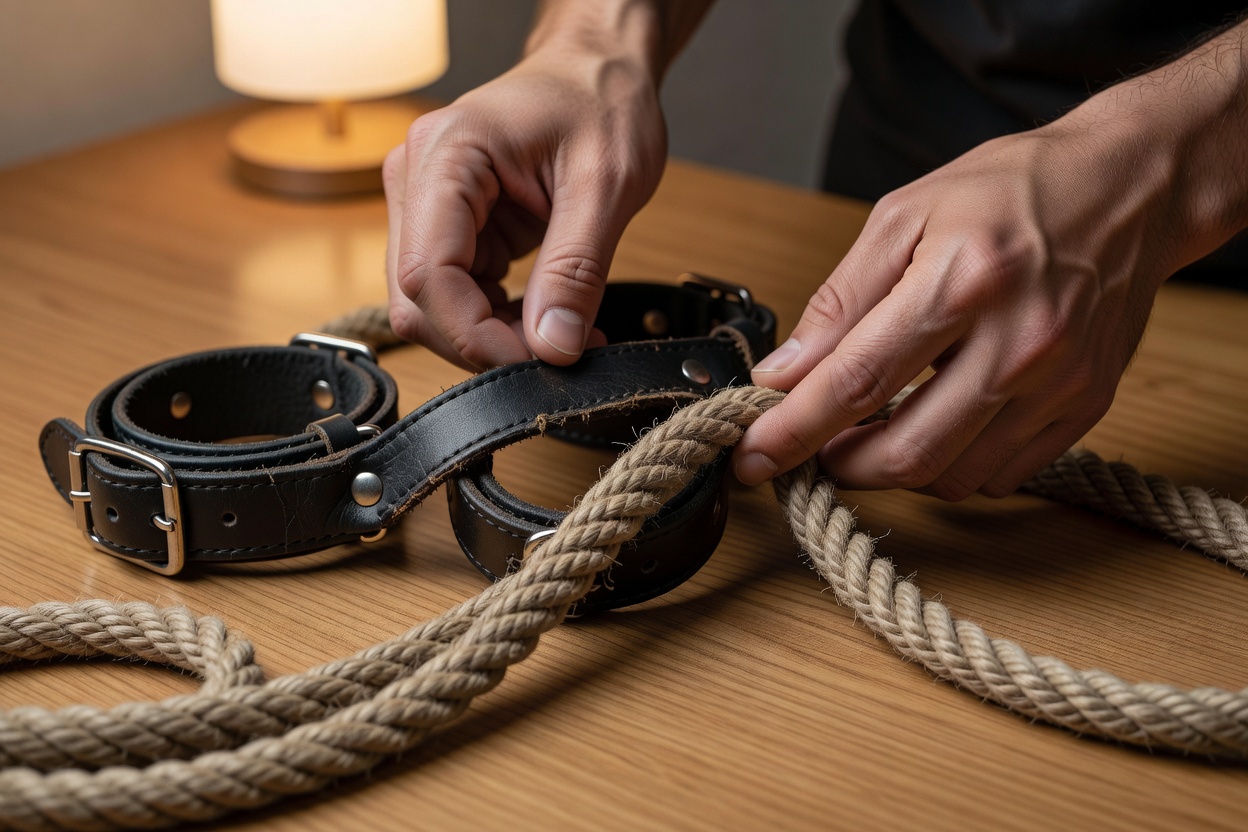
Verifying BDSM Tools and Equipment
Inspect every item for wear. Run hands along ropes to detect fraying or weak spots, paying special attention to load-bearing sections. Check metal hardware on cuffs and harnesses for rust or loose screws by tightening and testing movement. Leather or synthetic materials should show no cracking, and stitching must remain intact under gentle tugging. Replace anything questionable immediately rather than hoping it holds. Store tools in organized containers so you can quickly confirm each piece's condition during the audit and retrieve them efficiently later.
Different materials require tailored checks. Natural fiber ropes absorb moisture and may weaken over time, while synthetic options resist wear but can develop sharp edges from abrasion. Metal items benefit from occasional lubrication to prevent seizing, and impact toys need surface inspections for splinters or dents. Documenting these details in a simple log helps track patterns and replacement schedules.
Ensuring Quick Access to Safe Play Supplies
Position essential non-medical items like water bottles, towels, and communication devices within arm's reach of the main play zone. Label storage clearly and verify contents monthly to avoid surprises. This setup allows seamless transitions without leaving the area unattended. Consider accessibility for all participants, such as lower shelves for shorter individuals or clearly marked sections for different categories of supplies.
Real-world examples include keeping a small basket near the primary play surface stocked with wipes, snacks, and backup restraints. Review the basket during each audit to rotate stock and remove anything expired or damaged. This level of organization reduces downtime and supports smoother, more focused sessions.
Establishing Emergency Exits and Protocols
Map clear exit routes from the play space. Ensure doors open freely and are never blocked by furniture or equipment. Identify secondary exits in case the primary path is obstructed by fallen items or other unexpected barriers. Discuss these routes with all participants beforehand so everyone knows the layout instinctively and can act quickly if needed.
Consider additional scenarios such as power outages or sudden medical concerns. Keep flashlights in fixed locations and test them during audits. Review how to quickly release restraints or move furniture if someone needs to exit rapidly. These preparations complement other safety measures without overlapping basic first aid topics.
Numbered BDSM Play Space Safety Audit Checklist
- Walk the perimeter and note any tripping hazards or unstable objects, then photograph problem areas for reference.
- Test all lighting controls and replace bulbs as needed while checking for flickering or hot spots.
- Inspect flooring for damage and add padding where required, verifying non-slip properties under movement.
- Examine each restraint, impact toy, and suspension point for structural integrity using both visual and tactile methods.
- Verify storage locations for quick retrieval of supplies and confirm labels remain legible.
- Confirm emergency exit paths are unobstructed and known to participants through a brief walkthrough.
- Document findings in a notebook or digital log for future reference and trend tracking.
- Schedule the next audit date before completing the review to maintain the habit.
Common Setup Mistakes Versus Safe Alternatives
Mistake: Using extension cords across walkways. Safe alternative: Install permanent outlets or use cord covers rated for foot traffic to eliminate trip risks entirely. Mistake: Relying on single overhead lighting. Safe alternative: Layer ambient, task, and accent lighting for full visibility without harsh shadows that hide details. Mistake: Storing tools in cluttered drawers. Safe alternative: Use labeled wall hooks or clear bins for instant identification and reduced search time during scenes.
Another frequent error involves ignoring seasonal changes, such as winter dryness affecting leather or summer humidity promoting mold on fabrics. Address these by rotating items into climate-controlled storage when not in use. These swaps create a more reliable environment without major expense and can be implemented gradually as you identify priorities during audits.
Tips for Ongoing Maintenance
Integrate quick checks into your routine after each session. Rotate tool inspections so no item goes more than 30 days without review. Keep a small toolkit nearby for minor repairs like tightening screws or applying protective coatings. Update your audit log whenever you introduce new equipment or rearrange the space. This habit turns safety into an automatic part of play preparation and encourages partners to participate, strengthening shared responsibility.
Seasonal deep cleans combined with monthly spot checks help sustain standards. Involve all regular users in the process to distribute knowledge and catch issues one person might miss. Over time, these practices become second nature and significantly lower overall risk.
Conclusion
A thorough BDSM play space safety audit transforms any private area into a reliable setting for exploration. By addressing hazards, verifying tools, and planning for quick access and exits, you create conditions that support enjoyable, low-risk experiences. Repeat the process regularly to keep standards high and adapt to evolving needs.
Frequently Asked Questions
How do I adapt the audit for a small apartment?
Focus on multi-use furniture that doubles as stable play surfaces and prioritize vertical storage to maximize floor space. Test exits first since hallways may be narrow, and consider foldable padding that stores easily when not in use.
What changes are needed for outdoor or temporary spaces?
Assess ground stability and weather impacts on equipment. Bring portable padding and confirm multiple exit routes from the chosen location while accounting for natural obstacles like roots or uneven terrain.
Can the checklist work in shared housing?
Schedule audits during low-traffic times and use discreet storage. Emphasize exit mapping with roommates informed only at a high level for privacy, and keep sensitive items secured when the space is shared.
How often should renters repeat audits?
Perform a full review every three months or after any furniture move. Shorter monthly spot checks help maintain standards between major sessions and account for landlord changes or lease updates.
Are there differences for larger homes with dedicated rooms?
Larger spaces allow dedicated zones for different activities. Map multiple exit paths and consider separate supply stations near each area for efficiency while ensuring consistent lighting and flooring quality throughout.
No comments yet. Be the first!