 Spicy Trip
Introduction to BDSM Safety with Chronic Illness
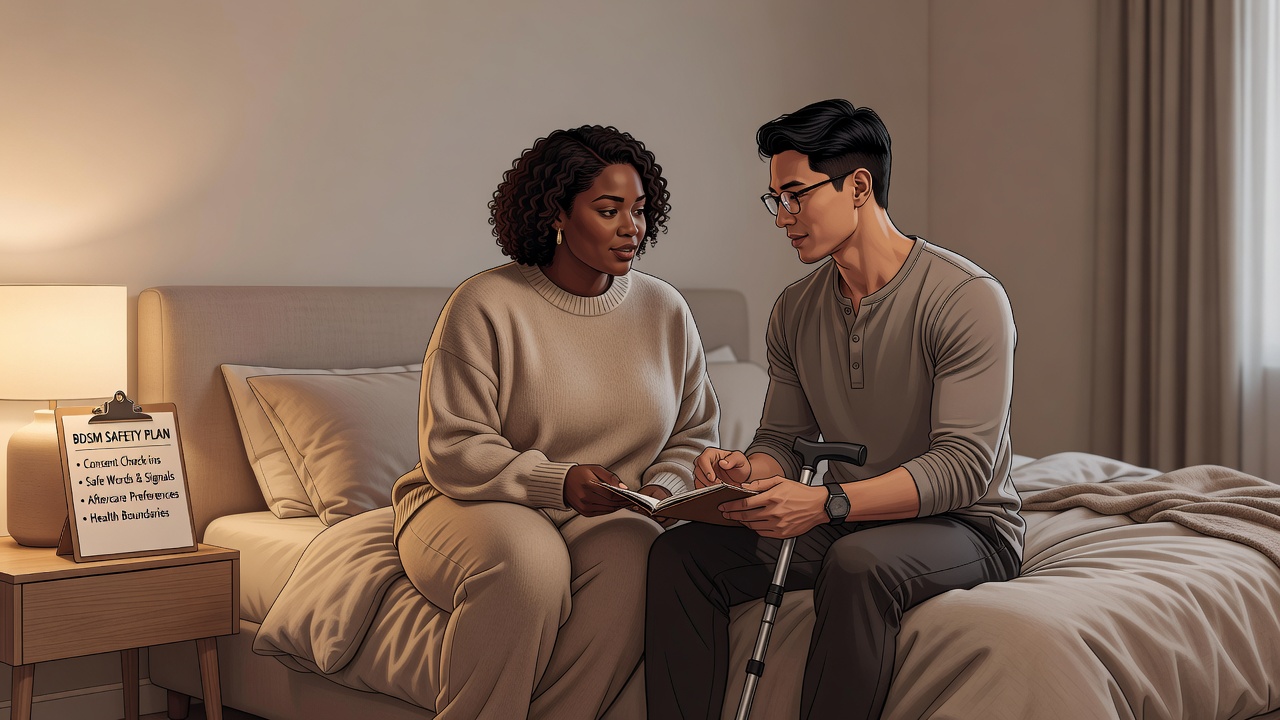
Living with a chronic condition does not mean giving up the pleasure and connection that kink can provide. This comprehensive guide focuses on BDSM safety for those managing ongoing health challenges, helping beginners and intermediates adapt scenes without increasing risk. Whether you deal with fibromyalgia, arthritis, multiple sclerosis, or other persistent issues, thoughtful planning keeps play enjoyable and responsible. Chronic illness often brings unpredictable symptoms, medication schedules, and energy fluctuations that require proactive management. Ignoring these can turn a scene into a medical emergency, while integrating health awareness into kink creates sustainable, pleasurable experiences. Partners who communicate openly build trust that enhances intimacy and reduces anxiety for everyone involved.
Many people with chronic conditions report that adaptive kink play actually improves their quality of life by fostering body awareness and creative problem-solving. The key lies in treating health limitations as design parameters rather than barriers. This article provides concrete strategies, real-world examples, and decision frameworks to help readers implement safer practices immediately.
Pre-Scene Medical Disclosures
Honest conversations before any scene form the foundation of BDSM safety. Share relevant diagnoses, current medications, allergies, and triggers in detail. Discuss how symptoms might appear during play and what responses are needed from each partner. Use a structured checklist to cover energy levels, pain baselines, mobility restrictions, and emergency contacts. Timing matters greatly—have this talk when both partners feel rested, not right before a scene begins. Update disclosures regularly because conditions fluctuate. Resources from CDC emphasize clear communication for managing chronic health needs in any physical activity. For deeper guidance, consult Mayo Clinic materials on patient-provider discussions that translate well to kink negotiations.
Practical example: A person with fibromyalgia might note that humid weather increases tenderness points, so they request lighter impact and more frequent position changes on those days. Write down agreements and revisit them after each scene to refine future plans.
Adaptive Tool Modifications
Standard BDSM equipment may need adjustments to accommodate physical limitations. For joint pain or limited mobility, swap rigid cuffs for padded, wide-strap versions or soft fabric ties that distribute pressure evenly. Add ergonomic handles to impact toys and consider temperature-controlled items that avoid extreme sensations if neuropathy is present. DIY modifications often work well: wrap rope in fleece or use medical-grade tape for gentler bondage. Test every change during low-stakes sessions first. These tweaks maintain the psychological thrill while protecting the body from additional strain.
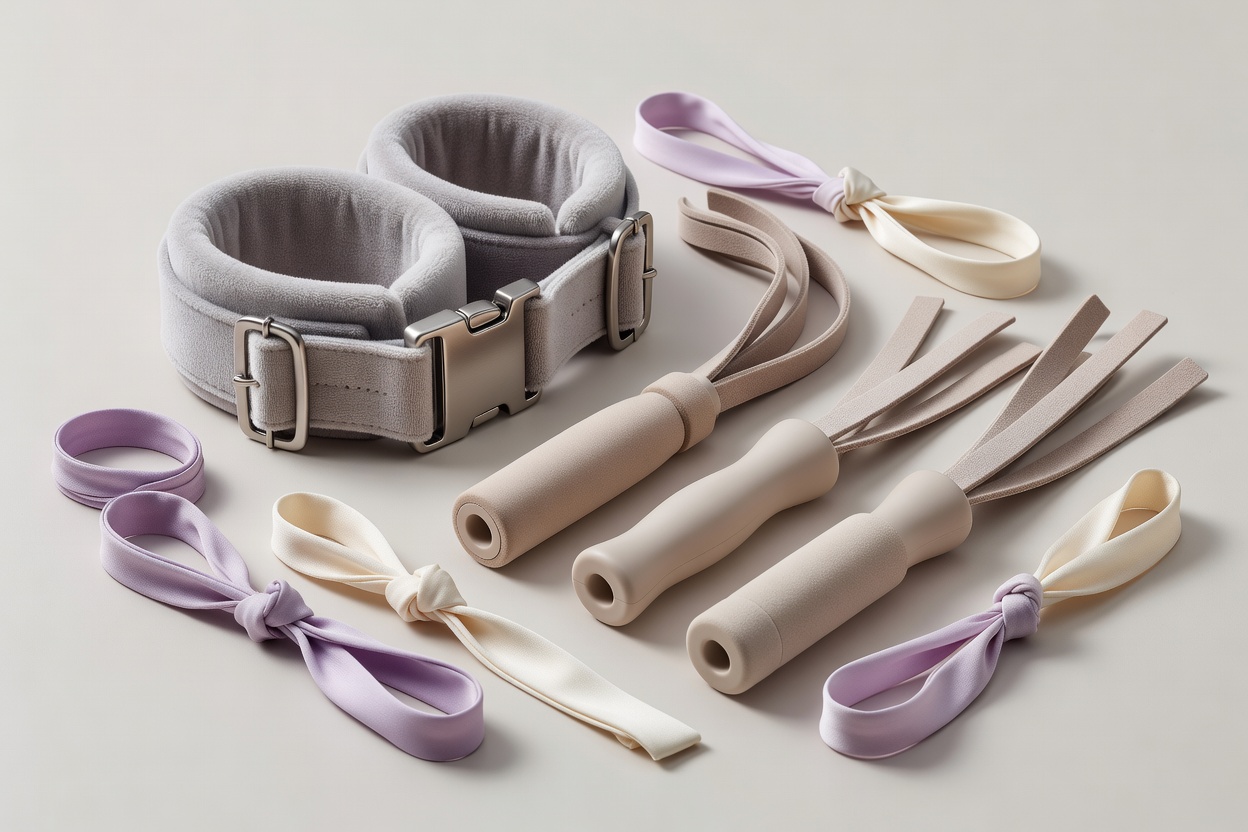
Another example involves arthritis sufferers who benefit from magnetic closures instead of buckles or velcro that requires fine motor skills. Always prioritize materials that are easy to remove quickly in an emergency.
Real-Time Monitoring Adjustments
Traditional safewords remain essential, yet chronic illness requires extra layers of oversight. Establish non-verbal signals like hand squeezes, colored cards, or eye blinks for situations where speech is difficult. Monitor breathing, skin color, and movement more closely than usual. Check in verbally every few minutes during intense activity. Apps or wearable devices can track heart rate if both partners agree in advance. Adjust scene intensity based on real-time feedback rather than a fixed plan. This flexibility prevents symptom flares while preserving power exchange dynamics.
Pacing Techniques for Sustainable Play
Break scenes into shorter segments with built-in rest periods. Start at lower intensity and build gradually over multiple sessions. Track energy using a simple 1-10 scale before, during, and after play. Schedule scenes during peak energy windows, often mid-morning or early evening depending on individual patterns. Examples include alternating bondage with lighter sensory play or incorporating hydration and medication breaks. Partners can rotate roles so the person with chronic illness conserves strength. Consistent pacing reduces next-day recovery time significantly and allows for longer overall engagement across weeks rather than single intense sessions.
Differentiating Pain vs Symptom Flares
Understanding the difference between desired sensation and harmful symptom onset protects long-term health. Desired pain feels localized and fades quickly after the stimulus ends. Symptom flares often spread, persist longer, or bring additional issues like nausea, dizziness, or cognitive fog. Keep a shared journal noting what sensations occurred and how the body responded hours or days later. Over time, patterns emerge that guide future decisions. Stop immediately if symptoms shift beyond negotiated limits.
Customized Aftercare Protocols
Aftercare must address both emotional and physical needs specific to chronic illness. Provide warmth, hydration, and any prescribed medications on their regular schedule. Gentle stretching or massage can ease muscle tension without aggravating joints. Plan for extended rest periods and discuss preferences in advance so aftercare feels supportive rather than another task. Some individuals benefit from quiet time followed by light snacks rich in anti-inflammatory nutrients, while others prefer immediate physical contact or temperature therapy.
Traditional vs Adaptive Setups Comparison
Traditional scenes often assume unlimited physical capacity and fixed time blocks. Adaptive setups prioritize sustainability by using fewer restraints but deeper psychological elements, or shorter durations with richer sensory variety. Both approaches deliver satisfaction when tailored correctly. The adaptive model frequently leads to more creative scenes because it encourages innovation over repetition.
Step-by-Step Checklists for Common Conditions
- Fibromyalgia: Assess tender points daily, avoid direct pressure on those areas, use broad impact tools, schedule mandatory recovery days, and monitor for fatigue spikes two to four hours post-scene.
- Arthritis: Warm up joints with gentle movement beforehand, choose positions that minimize weight-bearing stress, employ soft padding everywhere contact occurs, and end scenes before stiffness begins to increase.
- Additional conditions: For Ehlers-Danlos syndrome, focus on joint stability and avoid hyperextension; for chronic fatigue, cap total scene length and include mandatory rest intervals.
Review the checklist together each time and adjust based on daily symptom reports.
Mistakes to Avoid
Common errors include skipping disclosures when energy feels high, using unmodified equipment despite known limitations, ignoring early warning signs of flares, and failing to plan extended aftercare. Another frequent issue is comparing your play to able-bodied standards instead of personal baselines. Address these by building mandatory pre-scene reviews and post-scene debriefs into every encounter.
Partner Communication Strategies
Effective communication extends beyond initial disclosures. Use “I notice” statements during scenes and schedule regular check-ins outside of play. Practice active listening by repeating back what your partner shares. When one person has chronic illness, the other may need support processing feelings of helplessness, so include emotional check-ins for both roles.
Frequently Asked Questions
How should medication timing affect scene planning?
Align peak medication effectiveness with scene timing. Discuss with a healthcare provider how pain relievers or anti-inflammatories interact with physical activity. Never alter doses without medical guidance.
When should partners pause or stop a scene?
Pause at the first sign of unexpected symptom increase, breathing changes, or loss of focus. Resume only after full reassessment. Stop entirely if symptoms suggest a flare or medical issue.
What resources help with adaptive equipment ideas?
Look to occupational therapy communities and adaptive sex toy retailers for tested modifications. Always verify safety through personal testing.
Conclusion
BDSM safety with chronic illness centers on adaptation, communication, and respect for bodily limits. By implementing thorough disclosures, thoughtful modifications, careful pacing, and tailored aftercare, kinksters maintain pleasure without compromising health. Start small, learn from each experience, and prioritize ongoing dialogue with partners. This approach turns potential barriers into opportunities for deeper connection and creativity that can last for years.
No comments yet. Be the first!