 Spicy Trip

Introduction to Group BDSM Safety
Exploring group BDSM dynamics requires a solid foundation in safety practices that extend beyond solo or couple scenes. In 2026, experienced beginners are seeking practical guidance on managing multiple participants while prioritizing consent, clear communication, and emotional well-being. This article provides in-depth coverage of essential protocols to create secure and enjoyable group kink experiences. Group play introduces unique layers of complexity, including coordination among several people and the need for heightened awareness of collective dynamics. Whether planning a small gathering of three or a larger organized scene, understanding these elements helps reduce risks and enhance satisfaction for everyone involved.
Consent Frameworks for Multi-Person Scenes
Consent in group settings builds on affirmative, ongoing, and enthusiastic models. Each participant must explicitly agree to every activity, with the ability to withdraw at any time. Use structured check-ins before, during, and after scenes. Frameworks like SSC (Safe, Sane, Consensual) or RACK (Risk-Aware Consensual Kink) help establish shared expectations. Documenting limits through written agreements can reduce misunderstandings when more than two people are involved. In practice, begin with individual private discussions where each person lists hard limits, soft limits, and desires. Then hold a group meeting to align on boundaries. This process might involve creating a shared document that all review and sign. Ongoing consent means pausing frequently to confirm everyone remains comfortable, especially when activities shift or new elements are introduced.
Communication Signals and Safe Words
Establish universal and personalized signals for the entire group. Common verbal safe words such as "red" for stop, "yellow" for pause, and "green" for continue work well, but non-verbal options like hand signals or colored cards are essential for scenes involving gags or restraint. Assign one person as the primary communicator to relay signals across the group when needed. For larger groups, consider layered signals where a bottom uses a gesture that a nearby top echoes to the monitor. Practice these signals in advance during low-stakes settings so they become automatic. Real-world examples show that groups which rehearse signals beforehand respond faster during unexpected situations, such as a participant experiencing sudden discomfort.
Role Assignments Before, During, and After Scenes
Clear role definitions prevent chaos. Designate a lead dominant, supporting tops, bottoms, and at least one dedicated safety monitor. The monitor observes physical and emotional states without direct participation. Pre-scene briefings should cover each person's responsibilities, while post-scene debriefs allow everyone to share feedback. In a typical four-person scene, one lead might coordinate actions while the monitor tracks time and hydration needs. Rotating roles across multiple scenes builds versatility and prevents burnout. Always confirm that everyone understands their exact duties before the scene begins.
Selecting Compatible BDSM Tools for Group Use
Choose tools that can be safely shared or quickly sanitized between users. Opt for body-safe materials like medical-grade silicone or stainless steel. Avoid porous items that cannot be properly cleaned. Test all equipment individually first to understand its impact on multiple body types. For group use, select versatile items such as adjustable cuffs or impact toys that work across different body sizes. Maintain a cleaning station with appropriate disinfectants and have backups available in case of issues. This preparation ensures smooth transitions without interrupting the flow of the scene.
Monitoring Physical and Emotional States
Continuous observation is critical in groups. Watch for signs of distress such as irregular breathing, muscle tension, or withdrawal. Emotional monitoring includes checking for subspace or drop symptoms. Rotate monitors every 20-30 minutes to maintain alertness. In practice, the monitor might note skin color changes, breathing patterns, and verbal responses at regular intervals. Emotional states can shift rapidly in groups due to social dynamics, so the monitor should also observe interactions between participants. If someone appears overwhelmed, the monitor signals for a pause using the established communication system. This proactive approach has helped many groups avoid escalation of minor issues into larger problems.
Adapting Aftercare for Groups
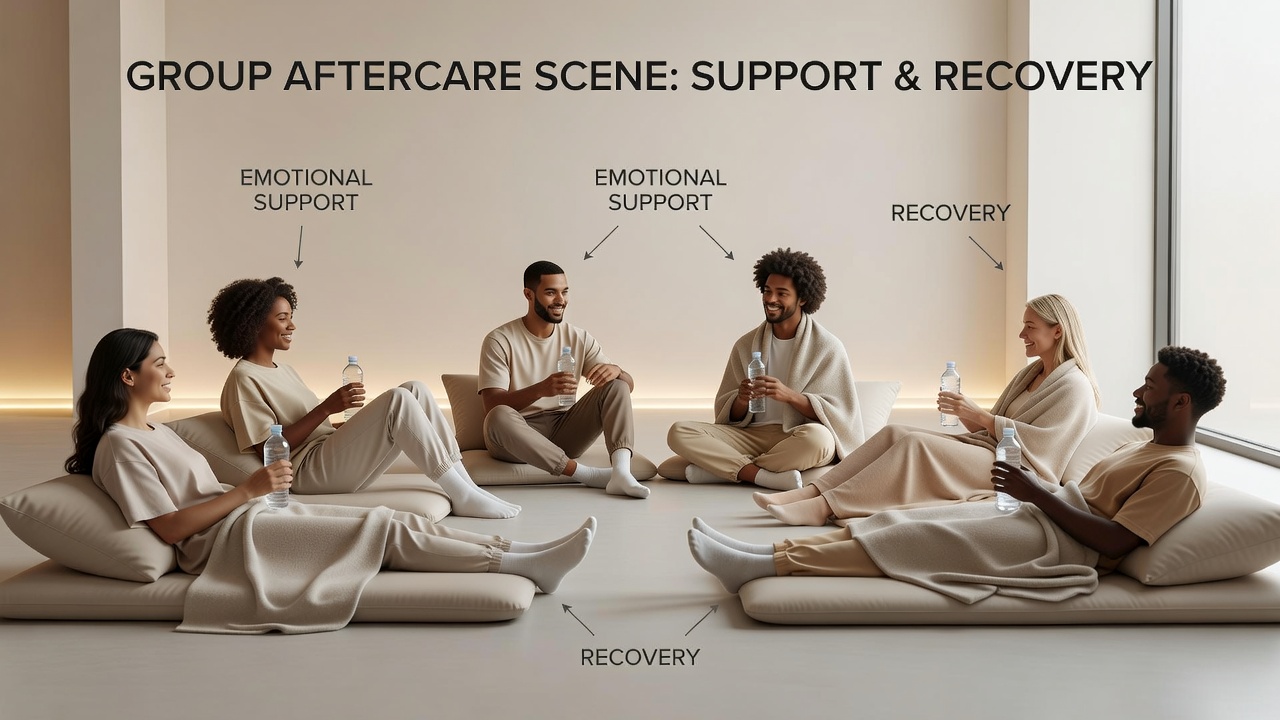
Group aftercare involves creating a shared calm space with blankets, water, and quiet conversation. Individual needs may differ, so provide options for both group cuddling and private decompression time. Schedule follow-up check-ins 24-48 hours later. Consider dividing the group into smaller clusters if energy levels vary. Provide snacks, soft lighting, and access to private areas for those who need solitude. Effective aftercare in groups often includes a structured debrief where each person shares one positive and one challenging aspect of the scene. This practice strengthens bonds and informs future planning.
Step-by-Step Planning Checklists
- Confirm all participants' experience levels and hard limits through private one-on-one talks at least one week prior.
- Assign roles and review safe signals during a dedicated pre-scene meeting.
- Prepare and sanitize all tools, testing each item for functionality.
- Set up the play space with emergency supplies including first aid kits, water, and safe word reminders.
- Conduct a final consent round immediately before starting the scene.
- Plan aftercare logistics in advance, including transportation options if needed.
- Establish a post-scene follow-up schedule for emotional check-ins.
Real-World Examples of Common Pitfalls
One frequent issue occurs when one participant feels pressured to agree to activities others enjoy. Another pitfall is neglecting hydration and breaks during extended scenes, leading to physical exhaustion. Inadequate vetting of new members has resulted in boundary violations in some documented community reports. A common example involves a new member joining without full disclosure of medical conditions, causing an unexpected reaction during restraint play. Another scenario features misaligned expectations around aftercare, where one person expects extended group time while others prefer immediate solitude. Learning from these cases emphasizes the value of thorough preparation and open dialogue.
Comparison of Duo Versus Group Risk Levels
Duo scenes allow simpler monitoring and faster response times. Group play increases complexity with more variables, including interpersonal dynamics and divided attention. Risk levels rise with group size, making robust protocols essential. Groups require stronger communication structures to match the safety of pairs. In duos, one person can focus entirely on their partner, whereas groups demand distributed responsibility. This often means additional time spent on coordination but yields richer shared experiences when executed well. Comparing the two highlights why groups benefit from extra layers like dedicated monitors and detailed checklists.
FAQ: Legal Considerations and Partner Vetting
What legal aspects should groups consider? Local laws on consent and privacy vary widely; always review regulations in your area and consider consulting resources from National Coalition for Sexual Freedom. Understanding consent laws helps protect all participants from potential misunderstandings.
How should partners be vetted? Conduct thorough discussions about experience, references from previous play partners, and STI testing status. Use community events for initial meetings in public settings to build comfort gradually.
Are there recommended external guidelines? Refer to established health organizations such as World Health Organization for general wellness practices that apply to kink activities, including hygiene and emotional health.
What steps reduce legal risks in group settings? Obtain explicit written consent where possible and maintain privacy by avoiding public sharing of details. Organizations like American Civil Liberties Union provide insights into rights related to personal expression and privacy.


No comments yet. Be the first!