 Spicy Trip

Introduction to Safe BDSM Exploration
Introducing BDSM to new partners requires patience, clear communication, and a strong emphasis on safety. Whether you're exploring kink basics for the first time or guiding a curious partner, prioritizing consent and trust helps create positive experiences. This guide covers everything from initial conversations to practical checklists, ensuring you build a foundation for safe play that can grow over time.
Many beginners worry about risks, but following established protocols significantly reduces them. Resources from organizations like the Kinsey Institute highlight how open dialogue leads to healthier intimate dynamics.
Starting the Conversation About Desires and Limits
Begin by choosing a neutral, relaxed setting outside the bedroom. Frame the discussion around curiosity rather than pressure. Share your interests using "I" statements, such as "I've been curious about light bondage and would love to explore it with you if you're open."
Listen actively to your partner's response. Provide examples of successful discussions: one couple started with a simple list of yes/no/maybe activities during a weekend brunch, leading to deeper trust. Compare dynamics—monogamous pairs often progress slower than those in open relationships, where prior kink experience might already exist.
Establishing Consent Protocols
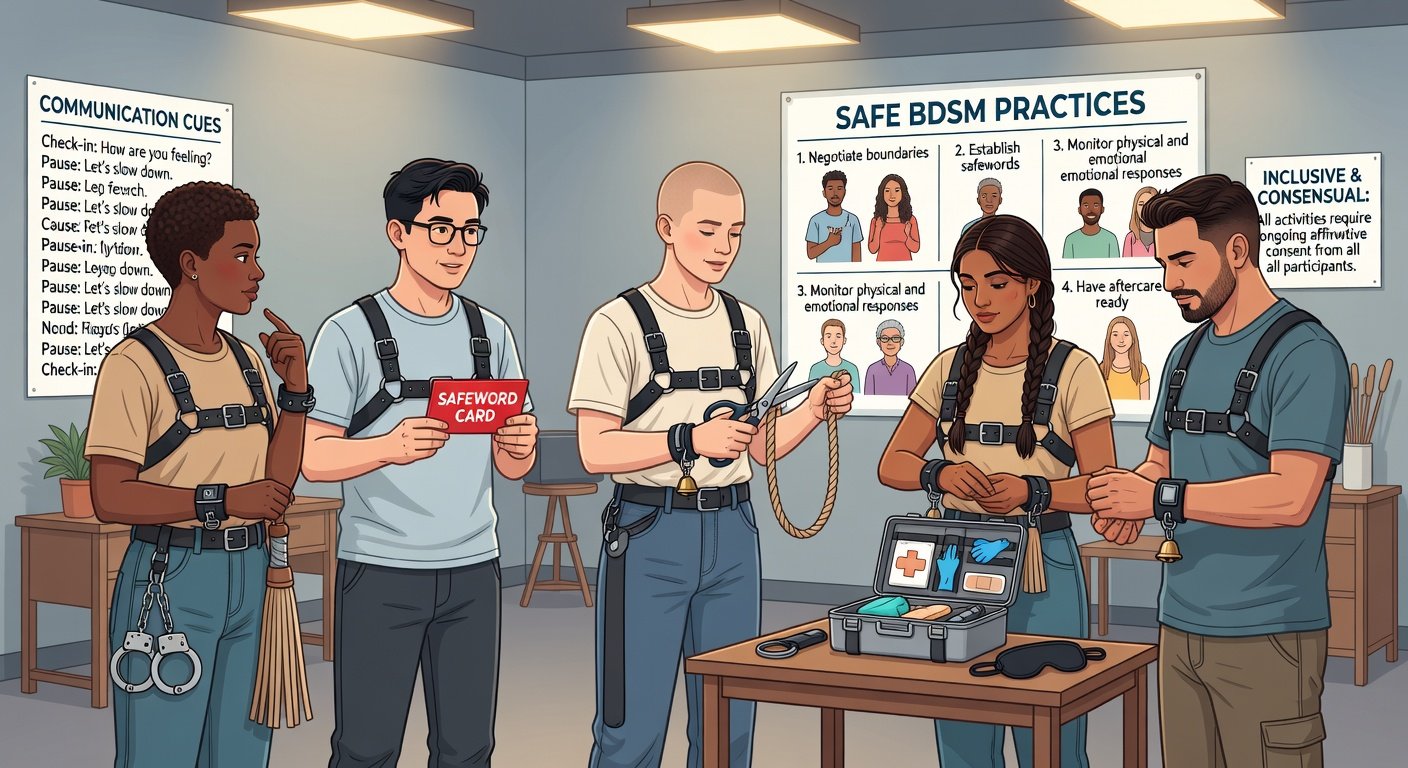
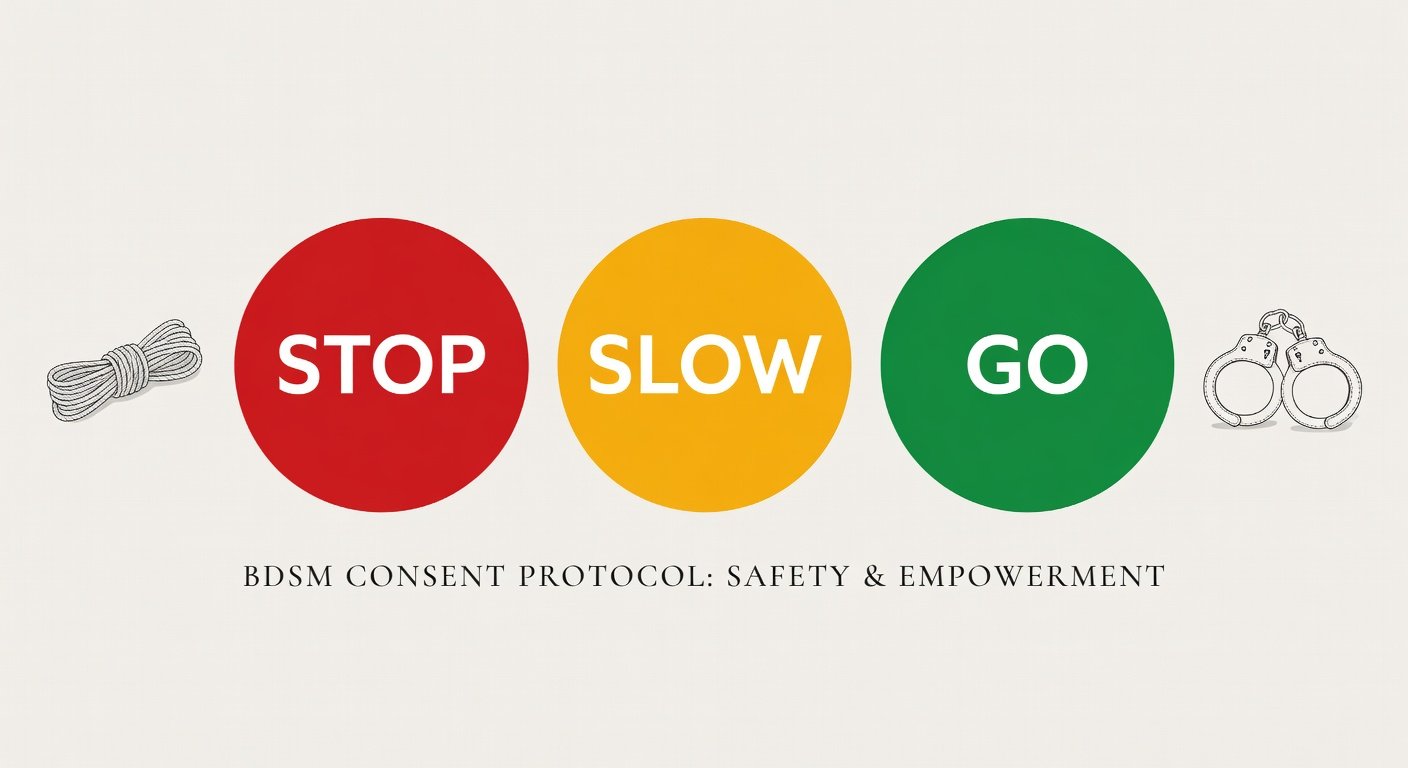
Consent must be ongoing, enthusiastic, and revocable. Use the traffic light system: green for continue, yellow for slow down or adjust, and red for stop immediately. Discuss hard and soft limits upfront and revisit them regularly.
Document agreements in a simple shared note for reference. This step prevents misunderstandings and reinforces mutual respect, key to kink basics and long-term safe play.
Selecting Beginner-Friendly BDSM Tools
Start with low-risk items like silk scarves for restraint, blindfolds, or soft paddles. Avoid advanced gear until both partners feel confident. Test everything for comfort and safety beforehand.
Always prioritize body-safe materials and have safety shears nearby for quick release. This careful selection aligns with BDSM safety principles taught in workshops worldwide.

Planning for Aftercare and Emotional Safety
Aftercare is essential for emotional and physical recovery. It may include cuddling, hydration, snacks, or debriefing the scene. Monitor for sub-drop or dom-drop, which can occur hours or days later.
Check in the next day via text or call. This ongoing communication builds resilience and prevents isolation in early explorations.
Practical Checklists for First Scenes
- Discuss and agree on activities, safewords, and boundaries 24 hours prior.
- Prepare the space: clean, private, with easy access to water and blankets.
- Have a first-aid kit and emergency contacts ready.
- Set a time limit for the scene to avoid overwhelm.
- Schedule aftercare immediately following.
Common Fears, Misconceptions, and FAQ
Will introducing BDSM change our relationship? Not necessarily—it can enhance intimacy when handled with care. Many couples report stronger bonds through shared vulnerability.
What if my partner says no? Respect the boundary gracefully and explore other forms of connection. Rejection of one activity doesn't mean rejection of you.
How do we monitor for emotional safety? Schedule regular check-ins and watch for signs of anxiety or withdrawal. Professional resources like those from the Planned Parenthood can offer additional support on healthy relationships.
Conclusion
Introducing BDSM safely to new partners centers on gradual trust-building, clear protocols, and attentive aftercare. By following these steps, you create space for enjoyable exploration while minimizing risks. Continue learning together and adjust as your dynamic evolves for fulfilling, secure experiences.
No comments yet. Be the first!