 Spicy Trip
Introduction: Why 2026 Sex-Positive Events Set New Standards
In 2026, sex-positive parties evolved beyond basic gatherings into meticulously designed experiences emphasizing consent, inclusivity, and community care. This article analyzes three standout events that successfully merged vibrant play party energy with rigorous orgy etiquette. Readers seeking actionable inspiration will find detailed breakdowns of what worked, measurable outcomes like repeat attendance rates, and practical frameworks ready for adaptation. The events highlighted here demonstrate how thoughtful planning transforms potentially chaotic environments into empowering spaces where diverse participants feel respected and excited to return.
Event One: The Velvet Collective – Venue and Atmosphere Mastery
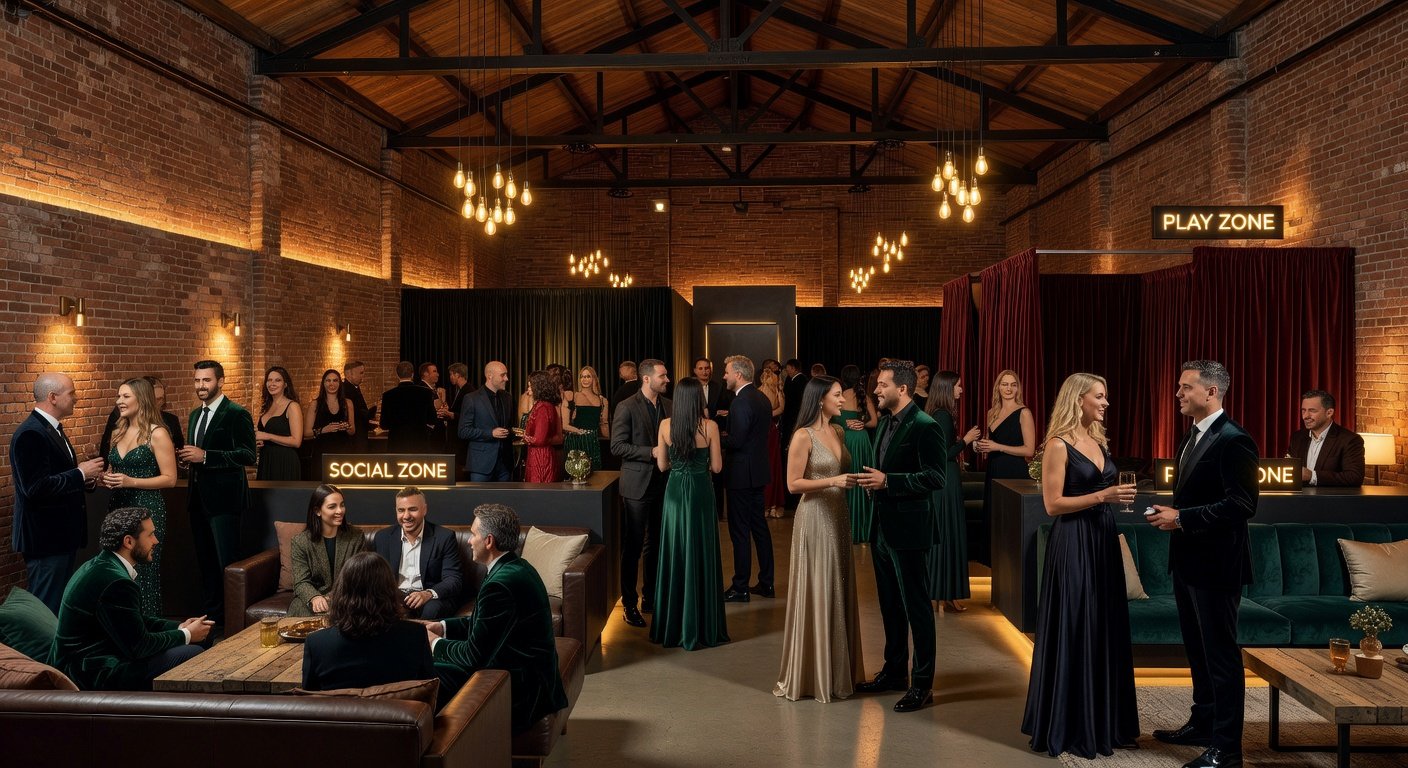
The Velvet Collective hosted quarterly events in a converted warehouse in Portland. Organizers prioritized accessibility and sensory comfort, selecting spaces with multiple private and semi-private zones alongside a central lounge. This layout allowed attendees to flow naturally between conversation, observation, and play. Detailed floor plans were shared in advance so guests could mentally prepare their routes and boundaries.
Key success factors included professional lighting that shifted from warm social tones to intimate play lighting, plus on-site wellness staff trained in basic first aid and emotional support. Challenges such as noise complaints from neighbors were overcome through pre-event soundproofing investments and staggered arrival times. Organizers also installed visual barriers and acoustic panels that maintained an open feel without external disruption.
Attendee testimonials highlighted the venue’s role in reducing anxiety. One participant noted, “The clear zoning made it easy to set personal boundaries without feeling isolated.” Another shared how the lounge area facilitated organic introductions that later led to deeper connections in play spaces. Repeat participation reached 68% by the third event of the year, with many citing the consistent atmosphere as a primary reason for returning.
Event Two: Lunar Nexus – Guest Curation and Consent Frameworks
Lunar Nexus events focused on rigorous yet welcoming guest curation. Applications required detailed consent history and preference disclosures, reviewed by a diverse committee. This approach ensured alignment with the event’s inclusive play party ethos while maintaining high standards of orgy etiquette. Committee members represented varied ages, genders, and experience levels to avoid bias in selection.
Consent protocols featured mandatory pre-event workshops covering verbal and non-verbal cues, plus real-time check-in stations staffed by trained facilitators. A standout innovation was the “pause button” system, where any attendee could signal a full stop via wristband color changes visible to all. Facilitators conducted spot-checks throughout the evening to reinforce these signals without interrupting flow.
Measurable results included a 72% repeat rate and zero reported consent incidents across four events. Testimonials praised the structured yet playful environment, with many citing the workshops as transformative for their personal practices. One regular attendee explained that the clear etiquette guidelines allowed them to explore new dynamics confidently because everyone operated from the same shared understanding.
At this point, consider how structured consent education elevates group dynamics. 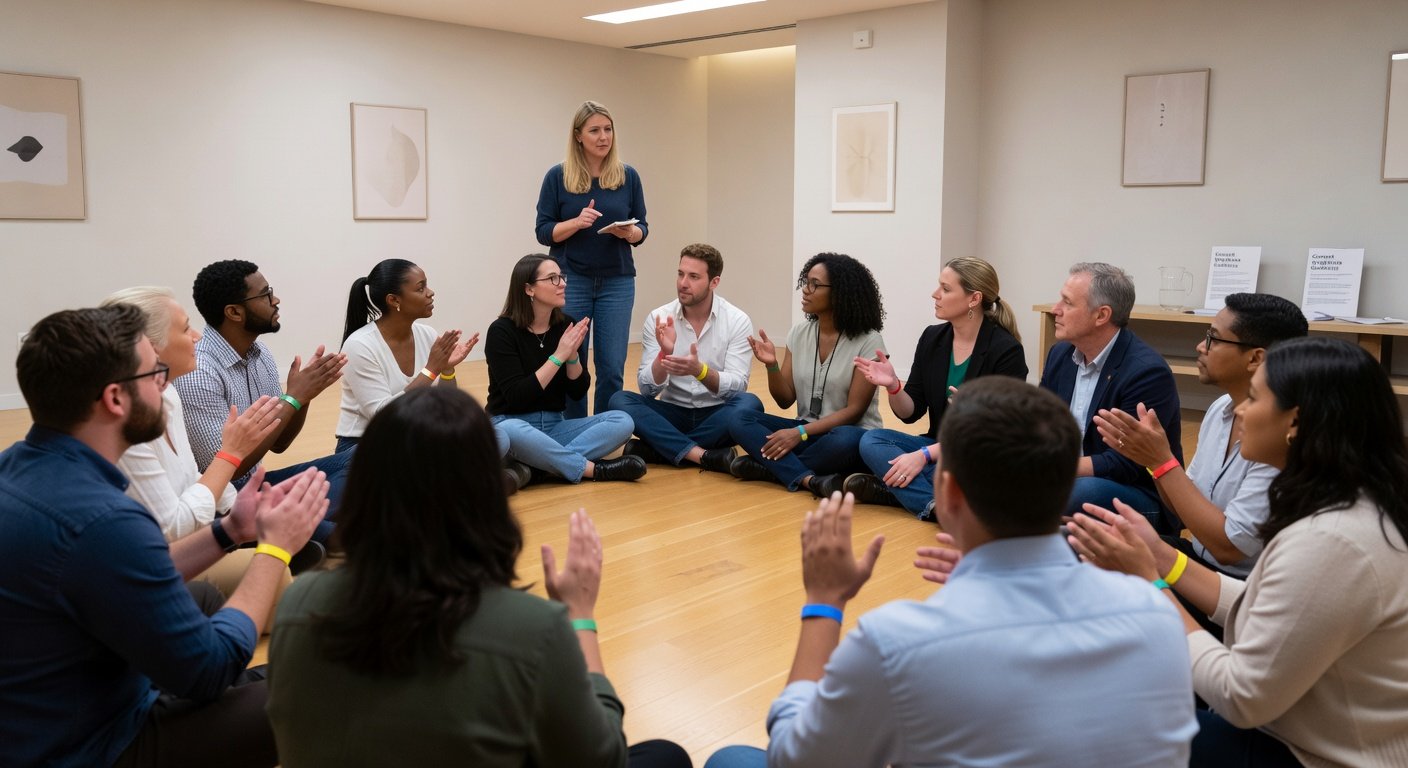
Event Three: Horizon Gatherings – Post-Event Follow-Up and Community Building
Horizon Gatherings distinguished itself through comprehensive post-event follow-up. Within 48 hours, organizers sent personalized check-ins via secure app, offering resources for aftercare and anonymous feedback forms. This loop fostered long-term loyalty and continuous improvement. Follow-up messages included links to local support networks and reminders about upcoming educational sessions.
Challenges like managing diverse body types and ability levels were addressed via adaptive equipment and clear accessibility maps distributed beforehand. Organizers also partnered with local accessibility consultants to ensure ramps, seating options, and sensory-friendly corners were available. Side-by-side comparisons reveal Horizon’s follow-up model outperformed peers lacking structured outreach, achieving 75% repeat participation.
Measurable Results Across All Three Events
When comparing key metrics, several patterns emerged. All three events reported repeat rates above 65%, significantly higher than industry averages for one-off play parties. Factors contributing to these numbers included transparent communication, consistent enforcement of etiquette, and genuine investment in attendee wellbeing. Data collected through post-event surveys showed that 82% of repeat attendees valued consent education most, followed closely by venue comfort and community follow-up.
Practical Takeaways: Step-by-Step Guide to Scaling Similar Events
- Define core values around consent and inclusivity before venue scouting. Document these values in a public manifesto so potential guests understand expectations immediately.
- Implement tiered guest screening that balances safety with accessibility. Use anonymous application forms reviewed by rotating committees to prevent gatekeeping.
- Design physical spaces with clear zones for varying comfort levels. Include quiet recovery areas, social mixing spaces, and fully private play rooms with visible signage.
- Train staff and volunteers in real-time intervention techniques. Run monthly drills that simulate boundary violations and practice de-escalation without shaming participants.
- Establish post-event communication channels for ongoing community care. Schedule optional virtual debriefs two weeks after each gathering to process experiences collectively.
- Track quantitative metrics such as repeat rates and qualitative feedback through simple digital surveys. Review results quarterly to refine future events based on actual attendee input.
Side-by-Side Event Format Comparison
- Venue Focus (Velvet Collective): Strong on atmosphere and flow; ideal for larger groups seeking immersive environments. The multi-zone design reduced crowding and encouraged organic movement between activities.
- Consent Depth (Lunar Nexus): Best for building deep trust and etiquette skills. The wristband system and mandatory workshops created a shared language that minimized misunderstandings during play.
- Follow-Up Rigor (Horizon Gatherings): Highest retention through sustained engagement. Personalized outreach transformed one-time visitors into community members who felt genuinely cared for beyond the event night.
Challenges Overcome and Lessons Learned
Common obstacles included managing varying experience levels among attendees and maintaining energy levels across long evenings. Solutions ranged from optional beginner orientation sessions to scheduled breaks with light refreshments. Another recurring issue was balancing privacy with safety; events addressed this by employing discreet security personnel who remained visible but non-intrusive. These adaptations demonstrate that proactive problem-solving directly correlates with higher satisfaction and repeat attendance.
Frequently Asked Questions on Scaling Kink Events
How important is venue choice for sex-positive parties?
Venue selection directly impacts safety, flow, and attendee comfort. Prioritize spaces with multiple zones and professional oversight. Organizers should visit potential locations multiple times at different hours to assess acoustics, accessibility, and neighborhood relations before committing.
What consent frameworks work best in 2026?
Hybrid models combining pre-event education, real-time signals, and post-event support deliver the strongest results, as demonstrated by the case studies above. The most effective frameworks treat consent as an ongoing conversation rather than a single checkbox.
Can smaller organizers achieve similar repeat rates?
Yes—focusing on consistent follow-up and clear etiquette guidelines often yields higher retention than large-scale production alone. Smaller events benefit from tighter community bonds that larger productions sometimes struggle to replicate.
What role does technology play in modern event management?
Secure apps for applications, check-ins, and feedback streamline operations while protecting privacy. Digital tools also enable real-time updates about venue changes or additional resources without disrupting the in-person experience.
Conclusion: Applying These Lessons in Your Own Events
The 2026 case studies underscore that standout sex-positive parties thrive when consent, curation, and community care receive equal attention. By studying venue strategies, workshop integration, and follow-up systems from these examples, organizers can create inclusive, etiquette-driven experiences that participants return to year after year. For further reading on sexual health best practices, explore resources from the World Health Organization and the CDC.

No comments yet. Be the first!