 Spicy Trip
Introduction: Entering Sex-Positive Spaces as a Neurodivergent Adult
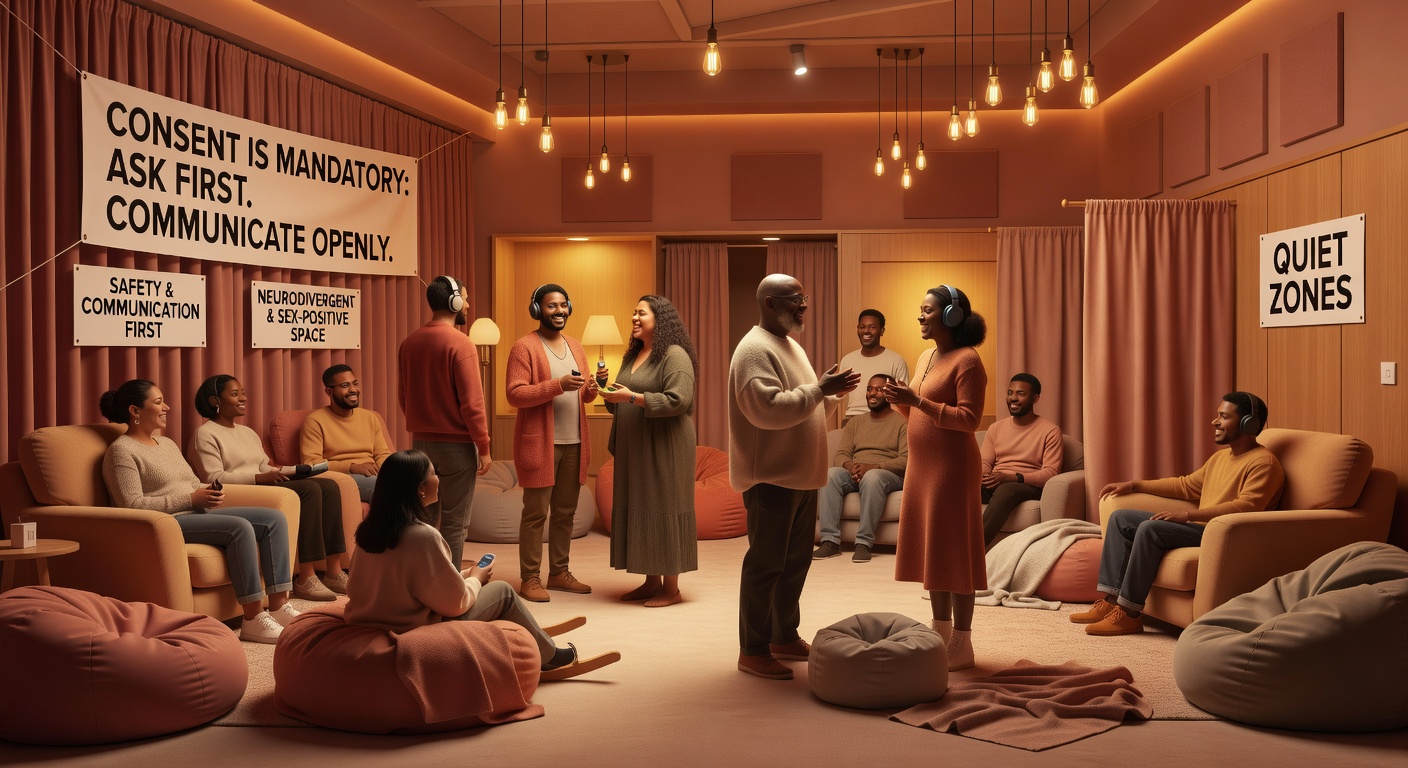
Attending sex-positive parties and kink events in 2026 offers exciting opportunities for connection, exploration, and community building, but neurodivergent individuals often face unique challenges around sensory input, social scripting, and overstimulation. This comprehensive guide provides beginner-to-intermediate advice tailored specifically for autistic, ADHD, and other neurodivergent participants who want to explore these spaces inclusively and safely. Whether you are new to the scene or have attended a few events, understanding how your brain processes stimulation helps you prepare effectively and advocate for your needs.
Many events now include accessibility options such as quiet rooms, clear consent protocols, and pre-event communication channels, reflecting growing awareness in the community. By taking proactive steps, you can transform potentially overwhelming experiences into empowering ones that align with your personal boundaries and energy levels.
Understanding Your Sensory Profile Before Attending
Start by mapping your sensory needs in detail. Neurodivergent people may experience heightened sensitivity to sound, touch, lights, smells, or even temperature changes. Create a personal sensory inventory listing specific triggers and comforts. For example, note whether dim lighting reduces anxiety or if certain fabrics cause discomfort during close contact. Consider how auditory input from music or conversations affects your focus, and identify tactile preferences for clothing or play materials.
Practical exercises include simulating event conditions at home, such as playing background music while practicing social interactions. Research from neurodiversity-affirming sources shows that proactive self-awareness significantly reduces overwhelm at events. Consider consulting a therapist familiar with kink-aware practices to refine your profile and develop personalized coping strategies. This foundational step prevents common pitfalls like underestimating crowd density or overcommitting to activities that drain your resources.
Selecting Accommodating Venues in 2026
Choose venues that prioritize accessibility and inclusion. Look for organizers who advertise sensory-friendly features such as designated quiet zones, adjustable lighting, scent-free policies, and available supports like ear protection or fidgets. Online directories and community forums often list events with explicit neurodivergent accommodations, making it easier to filter options that match your needs.
Reach out directly to organizers via email or their website to ask detailed questions about crowd size, music volume, layout, and emergency exits. Events hosted at established sex-positive clubs frequently provide clearer policies than private parties, including staff trained in recognizing signs of distress. Compare multiple events by reviewing attendee feedback on accessibility forums before committing. This research phase ensures you select environments where your participation feels supported rather than stressful.
National Coalition for Sexual Freedom offers resources on consent and safer event practices that many organizers follow.
Scripting Boundary Conversations in Advance
Prepare short, clear scripts for discussing limits with potential partners. Examples include: “I need a verbal check-in before any touch and prefer the traffic-light system,” “I use written cards for boundaries if speaking becomes difficult,” or “Please give me extra time to process before responding to suggestions.” Practice these phrases so they feel natural under pressure, and role-play scenarios with a trusted friend to build confidence.
Adapt etiquette by carrying a small laminated card with your boundaries written out. This tool helps when verbal communication feels difficult amid high stimulation. Expand your scripts to cover common situations, such as declining group activities or requesting breaks during scenes. Clear scripting reduces misunderstandings and empowers you to maintain agency throughout the evening.
Practical Preparation Steps at Home
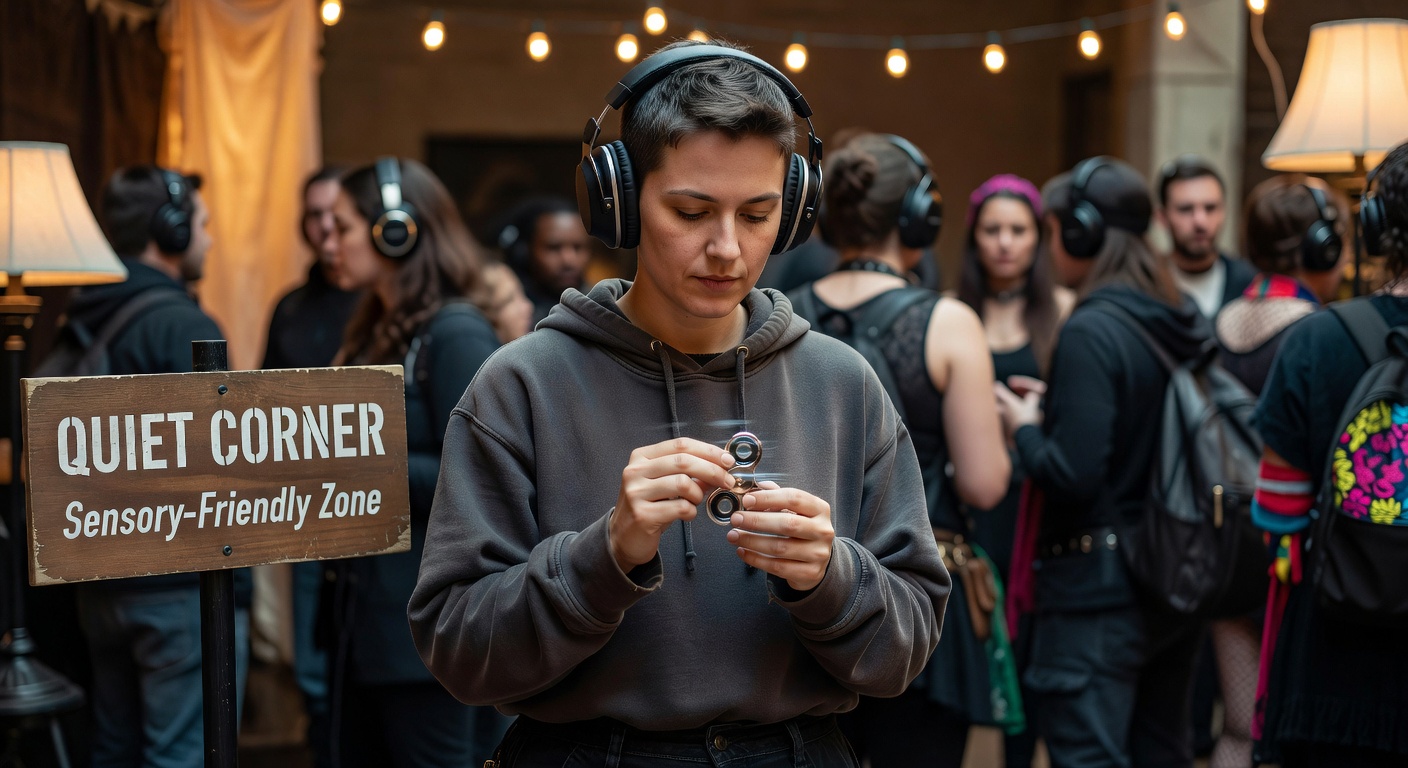
Expand your preparation with a detailed checklist. Pack a sensory kit containing noise-canceling headphones, fidget items, earplugs, a weighted lap pad, and hypoallergenic wipes for quick resets. Choose clothing with soft, tag-free fabrics and multiple layers for temperature regulation, testing outfits in advance under simulated lighting conditions.
Plan transportation and exit strategies, including a backup ride home if you need to leave early. Set a personal time limit, such as arriving for the first two hours only, and communicate this to any companions. Review event rules thoroughly and prepare questions for organizers. These steps create a safety net that allows you to focus on enjoyment rather than logistics.
On-Site Coping Tools and Real Participant Examples
At the event, use grounding techniques like the 5-4-3-2-1 sensory exercise to stay present when stimulation rises. One autistic participant shared how stepping into a quiet room every 45 minutes allowed them to enjoy the main space longer without shutdown, turning a potentially short visit into a fulfilling evening. Another ADHD attendee described using a discreet fidget toy during conversations to maintain focus while negotiating scenes, leading to more authentic connections.
Additional tools include portable white-noise apps on your phone, compression garments for calming pressure, and pre-downloaded calming playlists. Mistakes to avoid include ignoring early signs of overload or skipping hydration breaks. These real-world adaptations demonstrate that small, intentional tools create big differences in comfort, safety, and overall satisfaction at events.
Etiquette Adaptations for Neurodivergent Attendees
Standard party etiquette can be adapted without losing respect for others. Use written or visual cues alongside verbal consent when needed, and inform partners upfront about your communication style. If eye contact feels draining, explain this preference early and suggest alternative ways to show engagement, such as nodding or using agreed-upon signals.
Compare typical neurotypical approaches with neurodivergent-friendly ones: instead of prolonged small talk, opt for direct topic shifts to boundaries. Avoid common errors like assuming all attendees read social cues the same way. These adaptations foster inclusive interactions while honoring your authentic self.
Consent in High-Stimulation Environments: FAQs
How do I ensure ongoing consent when music is loud? Use visual signals such as thumbs-up or pre-agreed hand gestures alongside verbal check-ins. Many events now train staff on recognizing nonverbal cues and provide quiet areas for detailed discussions.
What if overstimulation affects my ability to advocate? Designate a trusted friend as a support person who knows your limits and can help communicate if needed. Pre-arrange a safe word or signal with them and review it before entering the main space.
Are there specific 2026 events designed for neurodivergent attendees? Growing numbers of organizers host low-sensory kink nights; search community calendars for listings that mention accessibility features and neurodivergent meetups.
How can I handle unexpected sensory triggers on-site? Carry a small escape kit and identify at least two quiet spots upon arrival. Practice quick grounding exercises beforehand to regain composure efficiently.
What resources support consent education for diverse needs? The Kinsey Institute provides research-backed insights into diverse sexual practices and consent education that benefit all participants.
Quick-Reference Checklist
- Complete sensory inventory and pack kit with multiple backup items
- Confirm venue accessibility features and quiet zone locations
- Practice boundary scripts aloud and refine with feedback
- Set arrival, departure, and check-in times with yourself or companions
- Identify quiet spaces and support contacts upon arrival
- Carry written consent card and visual cue reminders
- Share safe word with a buddy and review exit plan
- Test all coping tools at home under similar conditions
Conclusion: Building Confidence for Future Events
With thoughtful preparation, neurodivergent individuals can participate fully in sex-positive parties while honoring their needs and energy limits. Start small with shorter visits, communicate openly using your prepared scripts, and adjust your approach based on each experience. The 2026 scene continues to evolve toward greater inclusion, making these spaces more accessible than ever. By applying these strategies consistently, you build lasting confidence and create meaningful connections on your own terms.
No comments yet. Be the first!