 Spicy Trip

Introduction
Navigating emotions at sex-positive parties requires intentional strategies, especially when jealousy arises in 2026’s increasingly inclusive kink and play spaces. This guide focuses on body-positive approaches tailored for diverse attendees, helping you recognize triggers, communicate effectively, and align with consent protocols without relying on basic etiquette overviews. Attendees today often encounter varied scenarios, from polyamorous couples to solo explorers at events emphasizing equity and affirmation. Building resilience starts with preparation that honors individual boundaries and collective well-being. Jealousy is a natural human response that does not indicate failure; instead, it signals opportunities for deeper self-awareness and relational growth in non-monogamous settings.
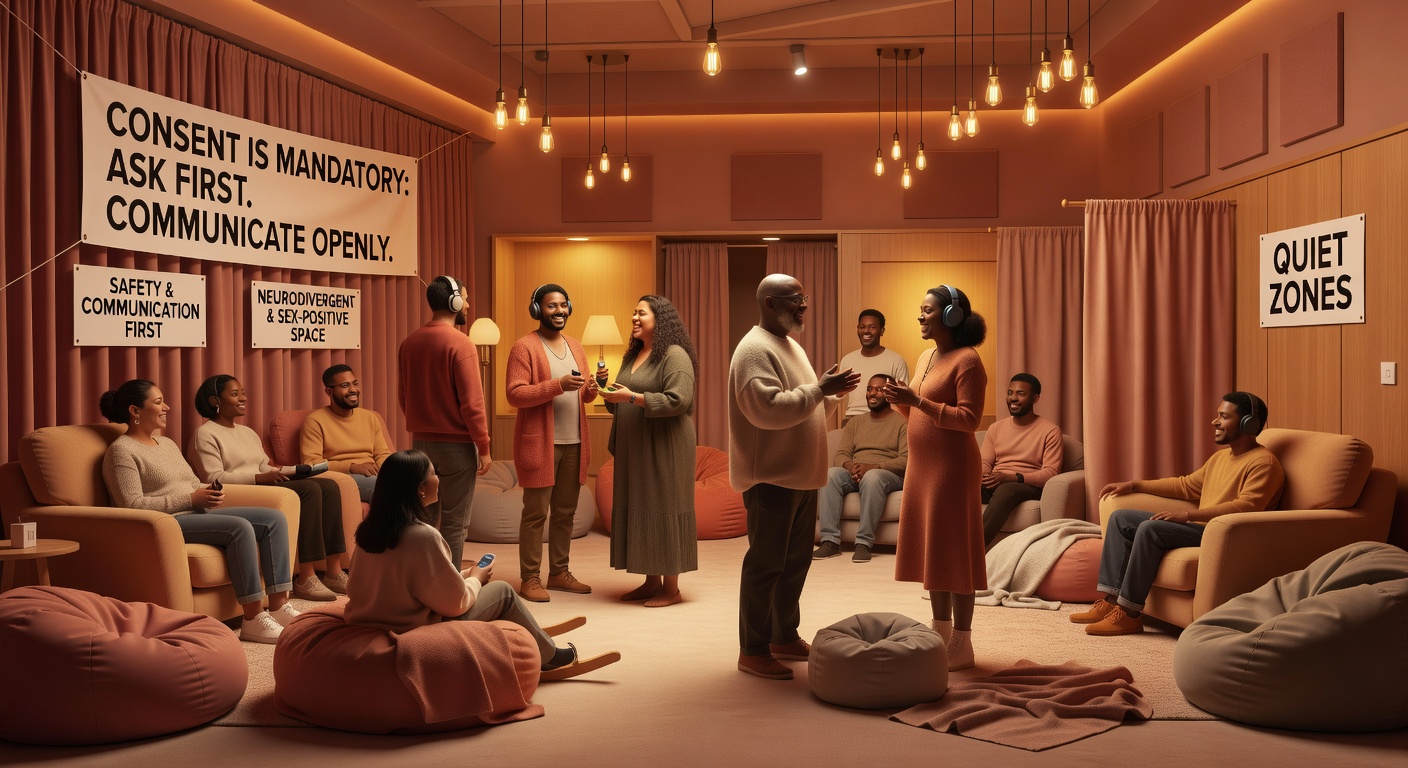
In 2026, sex-positive parties frequently incorporate themes of radical inclusion, with organizers prioritizing accessibility for people of all body sizes, gender identities, and experience levels. This evolution means more attendees face complex emotional landscapes where jealousy can intersect with societal pressures around desirability and belonging. By addressing these feelings proactively, participants create space for authentic connection and pleasure without shame.
Recognizing Jealousy Triggers in Real Time
Jealousy often surfaces through specific cues like watching a partner connect deeply with others or comparing your experience to group dynamics. In 2026 events, common triggers include sensory overload from themed rooms or witnessing fluid interactions that challenge personal narratives of exclusivity. Body-positive framing helps here: remind yourself that all bodies and desires hold equal value. Pause to label the feeling—is it fear of abandonment, insecurity about desirability, or excitement mixed with discomfort?
Consider a scenario where a curvy attendee observes their partner engaging in a playful scene with someone whose body type differs from their own. The trigger might stem from internalized beauty standards rather than the interaction itself. Another example involves neurodivergent participants feeling overwhelmed by rapid social shifts, mistaking overstimulation for relational threat. Journaling prompts before events can map these patterns across different attendee profiles, such as those from marginalized backgrounds or individuals exploring kink for the first time.
Practical Identification Techniques
- Practice body scans during the event to notice physical sensations like tightened chest or rapid breathing that precede emotional spikes.
- Use a mental checklist: Is this feeling rooted in the present moment or past experiences?
- Share observations with a trusted friend at the party for external perspective without disrupting consent flows.
Pre-Party Mindset Preparation
Effective prep involves reflective exercises like meditation focused on self-compassion and visualizing supportive outcomes. Consider creating a personal affirmation deck highlighting your strengths and the event’s inclusive ethos. Discuss expectations with partners using structured questions: What connections feel exciting versus threatening? How do we signal needs discreetly? This proactive step reduces surprises and fosters shared emotional safety nets.
Expand your preparation with a 30-minute routine the day before: review photos or descriptions of the venue to desensitize potential triggers, then list three personal boundaries and three desires. For solo attendees, connect with online communities focused on body positivity to build a sense of belonging ahead of time. Diverse examples include a transgender participant preparing by affirming their gender euphoria or a plus-size couple rehearsing positive self-talk about their shared journey.
Real-Time Communication Scripts
When jealousy spikes mid-event, use concise scripts grounded in consent. Try: “I’m noticing some jealousy—can we pause for a quick check-in?” or “I need reassurance about our connection before continuing.” These phrases prioritize clarity while respecting ongoing play. Adapt for diverse scenarios, such as group settings where one partner feels sidelined, ensuring language remains non-accusatory and inclusive of all identities.
Additional scripts might include: “This moment is bringing up some old patterns for me—let’s reconnect after this scene ends,” or for polycules: “I value our collective dynamic; can we adjust pacing so everyone feels seen?” Practice delivering these in a calm tone during pre-party rehearsals. In one 2026 example, a participant at a large play party used a scripted pause to transform rising jealousy into a supportive group hug that reinforced bonds.

Integrating with Consent Protocols at Kink Events
Consent frameworks at modern parties emphasize ongoing negotiation. Layer jealousy management into this by treating emotional states as valid data points during check-ins. For instance, safewords can extend to emotional pauses, allowing time-outs without derailing the experience. Resources from established health organizations underscore the importance of holistic consent that includes mental well-being. Explore guidance at World Health Organization for broader sexual health principles and Centers for Disease Control and Prevention for communication best practices in intimate settings. Another valuable reference is National Institutes of Health, which highlights emotional aspects of sexual wellness in community contexts.
Post-Event Processing Routines
After the party, dedicate time for structured debriefs. Schedule a low-pressure conversation within 24 hours using prompts like “What felt affirming?” and “Where did jealousy teach us something new?” Actionable steps include individual reflection journaling followed by joint gratitude sharing. This routine strengthens relationships and turns challenging emotions into growth opportunities, especially for attendees balancing multiple partnerships.
Develop a repeatable three-step routine: first, solo quiet time to note physical and emotional states; second, partner exchange without judgment; third, implement one small change for the next event, such as selecting fewer partners or adding more touch-based reassurance. In diverse 2026 scenarios, a queer triad processed jealousy by creating a shared digital journal, while an older couple incorporated gentle movement like stretching to release residual tension.
Short FAQ: When to Pause Participation
- How do I know it’s time to step back? If jealousy persists beyond the event and disrupts daily functioning, consider a temporary break to rebuild internal resources.
- Can I return after processing? Yes, many participants re-enter after targeted self-work, often with clearer boundaries that enhance future experiences.
- What if my partner wants to continue? Negotiate separate attendance or parallel activities that honor both needs while maintaining connection.
- How does body positivity influence pausing decisions? Affirming all bodies helps reduce shame around needing space, making pauses feel empowering rather than punitive.
Conclusion
Mastering jealousy at 2026 sex-positive parties empowers fuller participation in body-affirming environments. By combining trigger awareness, scripted communication, and integrated consent practices, you create sustainable pathways for emotional ease and relational depth. Consistent application of these tools supports long-term enjoyment and personal evolution within inclusive kink communities.

No comments yet. Be the first!