 Spicy Trip
Introduction
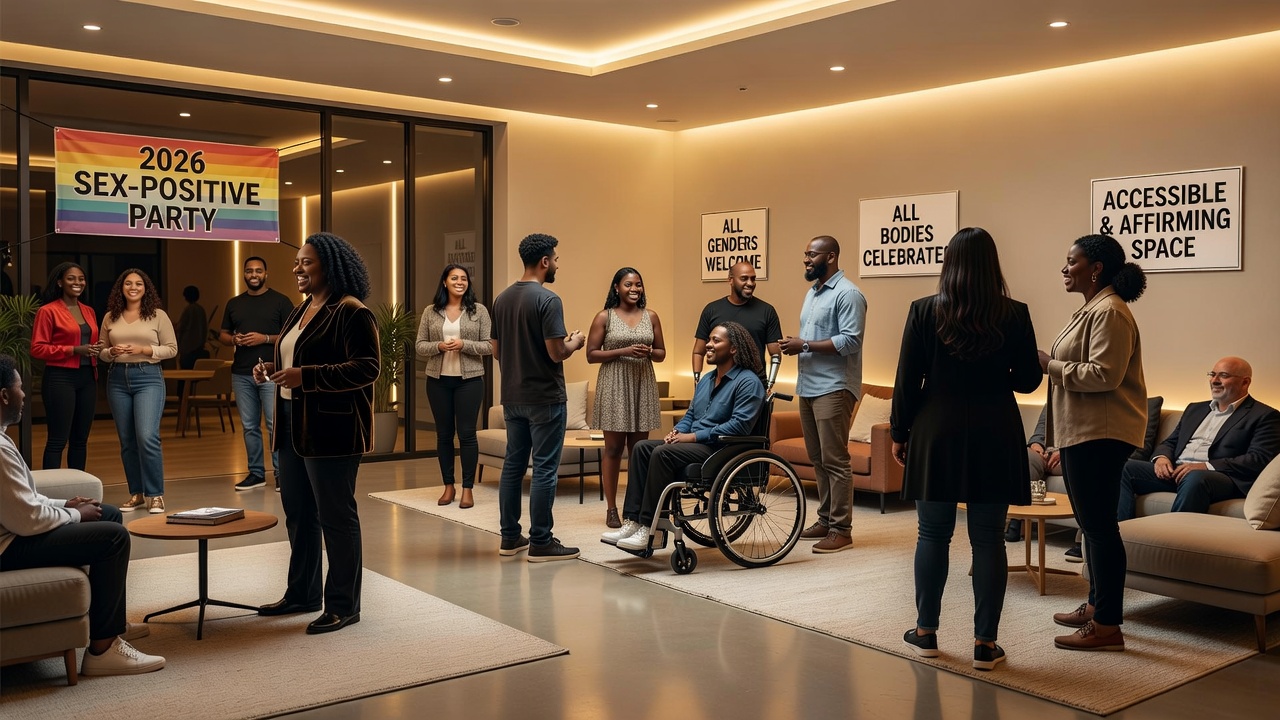
Creating inclusive spaces at sex-positive parties requires intentional planning that goes beyond basic etiquette. Newcomers and organizers alike benefit from strategies that address race, gender identity, ability, and body diversity while upholding consent and orgy etiquette. This guide provides actionable steps tailored for 2026 events, helping hosts build environments where every participant feels respected and empowered to explore connections safely.
Why Inclusivity Matters in Modern Kink Spaces
Inclusive environments foster safety and participation for everyone. Research from organizations like the World Health Organization highlights how accessible public health approaches improve community well-being. At sex-positive gatherings, this translates to higher attendance and stronger community bonds. When events overlook factors such as racial equity or mobility needs, attendance drops and trust erodes quickly. In 2026, successful parties report that deliberate inclusivity efforts lead to repeat visitors and organic word-of-mouth promotion across diverse networks. Organizers who prioritize these elements often see broader demographic representation, enriching discussions around consent and pleasure.
Venue Adaptations for Accessibility
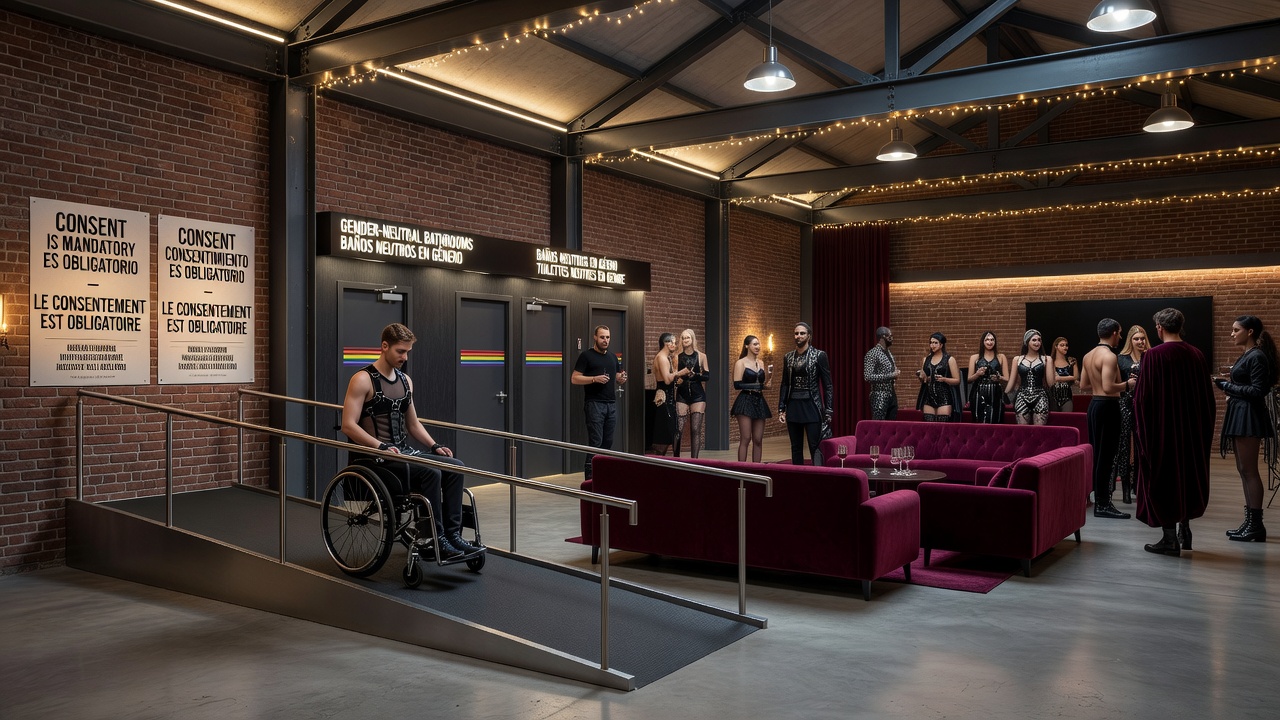
Start by evaluating physical and sensory needs well in advance of the event date. Choose venues with ramps, wide doorways, and gender-neutral restrooms. Install clear signage in multiple languages and provide quiet zones for those needing breaks from intense social or sensory stimulation. Consider lighting adjustments such as dimmable options and scent-free policies to accommodate chemical sensitivities. Additional adaptations include accessible parking close to entrances, lowered counters for registration, and tactile markers for visually impaired attendees. Many 2026 organizers partner with local accessibility consultants to audit spaces, ensuring compliance with evolving standards. These changes not only meet legal requirements but also signal to potential guests that their comfort is valued from the moment they arrive.
Inclusive Language Guidelines
Use person-first language and avoid assumptions about pronouns or identities. Train staff and attendees on terms like "they/them" and body-neutral descriptors such as referring to "chests" rather than gendered terms. Provide printed glossaries at entry points to reduce miscommunication during high-energy moments. Workshops on inclusive communication can be offered as optional pre-event sessions, covering how to navigate conversations about race and cultural backgrounds respectfully. Hosts should model correct language in announcements and correct gently when needed, always focusing on education rather than shame. This approach creates a ripple effect, encouraging attendees to adopt similar habits in their personal interactions.
Diverse Representation in Promotions
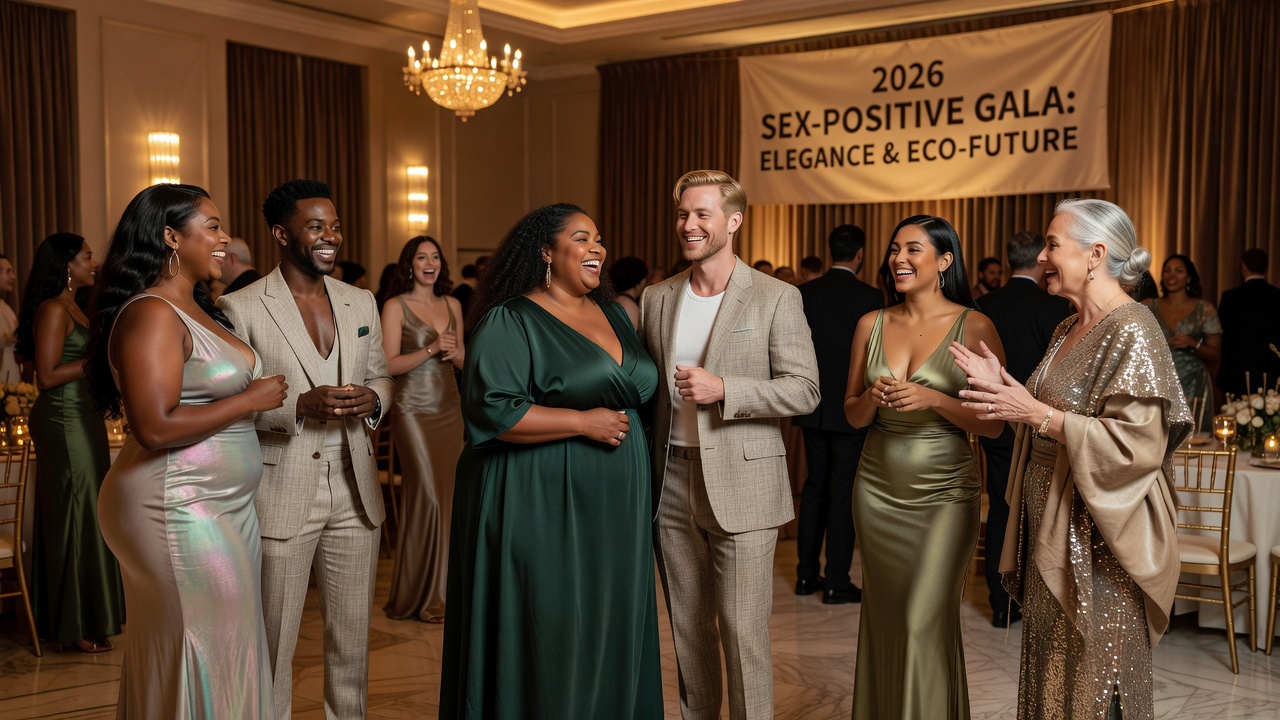
Feature models and voices from varied backgrounds in marketing materials. Partner with community leaders from marginalized groups to co-create content that authentically reflects different experiences. This builds trust and signals genuine commitment to diversity. In practice, 2026 event teams have used mood boards that include people of color, transgender individuals, and those with visible disabilities in all promotional imagery. Social media campaigns that highlight real attendee stories rather than stock photos tend to perform better, drawing in newcomers who previously felt excluded. Always obtain explicit consent for any images used and credit contributors appropriately.
Real-World Examples from 2026 Events
Successful 2026 parties in major cities implemented rotating host teams that reflected attendee demographics. One event series added live captioning for workshops, resulting in broader participation across ability levels. Another gathering in the Pacific Northwest introduced a "body positivity lounge" stocked with comfortable seating options for all sizes and mobility aids, which received overwhelmingly positive feedback. A European kink festival incorporated multilingual consent briefings and reported a 40 percent increase in first-time attendees from non-English speaking regions. These examples demonstrate that small, targeted investments in inclusivity yield measurable improvements in atmosphere and retention.
Host Checklist for Inclusive Events
Hosts can use this expanded checklist to guide preparations:
- Survey potential attendees on accessibility needs in advance through anonymous forms
- Train all volunteers on consent and inclusive practices with role-playing scenarios
- Ensure promotional images show diverse body types, races, genders, and abilities
- Provide multilingual consent cards and visual boundary cue cards
- Designate accessibility coordinators on-site who are identifiable by special badges
- Review feedback after each event to improve future gatherings with documented action items
- Arrange transportation partnerships for those with limited mobility options
- Offer quiet decompression areas equipped with sensory tools like noise-canceling headphones
Common Pitfalls Versus Best Practices
Pitfall: Assuming one-size-fits-all consent rules that ignore cultural differences in communication styles. Best Practice: Offer multiple ways to communicate boundaries, including non-verbal signals and written options, while consulting cultural advisors during planning.
Pitfall: Overlooking socioeconomic barriers like ticket costs that disproportionately affect certain communities. Best Practice: Offer sliding-scale options or volunteer exchanges reviewed quarterly based on community input.
Pitfall: Using exclusive language in rules that alienates newcomers. Best Practice: Collaborate with diverse advisors when drafting guidelines and test language with focus groups before finalizing.
Pitfall: Failing to follow up on accessibility requests after the event. Best Practice: Send post-event surveys specifically asking about inclusion experiences and publish summarized improvements publicly.
FAQ: Boundaries and Consent Concerns
How do I address microaggressions without disrupting the event?
Designate trained mediators who can handle issues discreetly while educating participants through private conversations and optional follow-up resources.
What if accessibility requests conflict with venue rules?
Prioritize legal requirements and explore creative workarounds like portable ramps or virtual participation options for workshops.
Can events maintain erotic focus while being fully inclusive?
Yes, by framing inclusivity as an enhancement to pleasure and connection rather than a restriction, allowing everyone to participate more fully.
How should organizers handle feedback about exclusion after an event?
Respond promptly with transparency, outline specific changes planned for the next gathering, and invite the individual to join advisory discussions if comfortable.
What resources exist for learning more about inclusive event design?
Consult guidelines from established accessibility organizations and integrate their principles into party planning workflows for ongoing improvement.
Conclusion
Building inclusive spaces at 2026 sex-positive parties strengthens communities and expands participation. By implementing these practical measures, organizers create environments where everyone feels respected and empowered to engage authentically.
No comments yet. Be the first!