 Spicy Trip
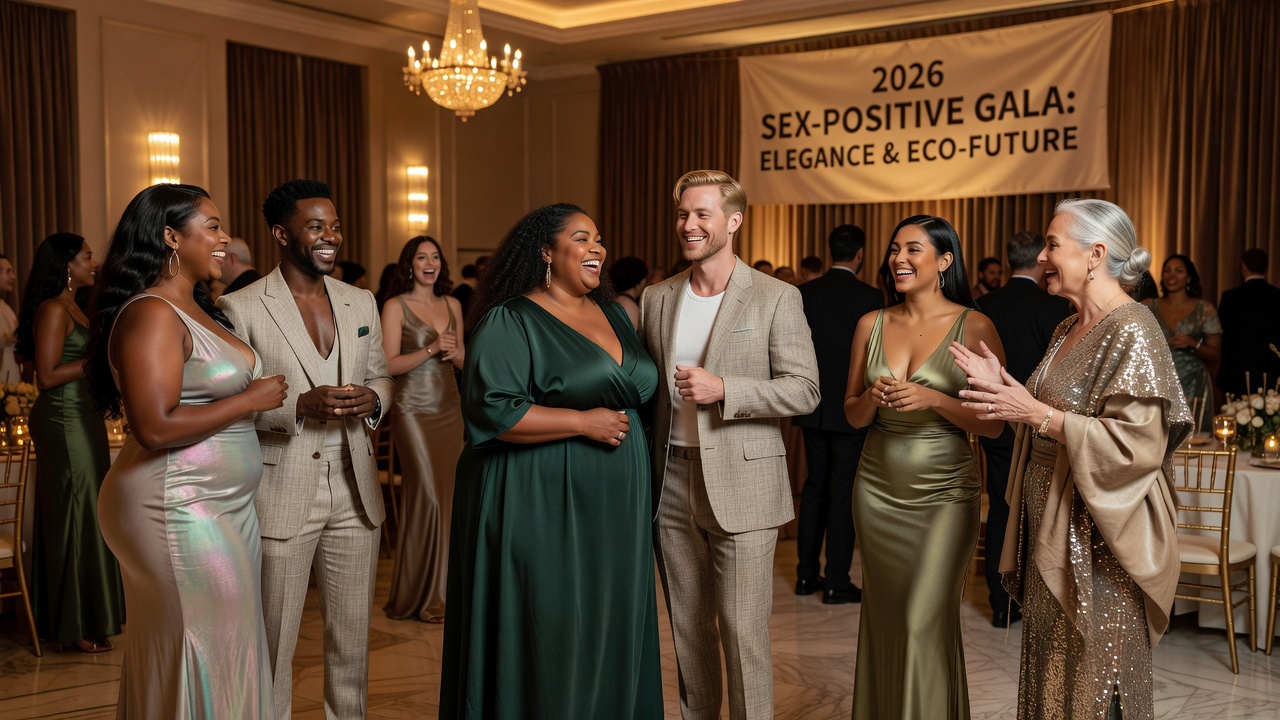
Introduction to Sustainable Fashion at Sex-Positive Events
Attending sex-positive parties and kink events in 2026 means balancing self-expression with environmental responsibility. Sustainable fashion allows participants to embrace consent, body positivity, and creativity without contributing to textile waste. This guide covers material choices, comfort for extended play sessions, thematic styling, sourcing on a budget, and practical checklists drawn from real events. Modern kink communities increasingly prioritize ethical sourcing because fast fashion contributes heavily to global pollution. Fabrics that feel luxurious yet biodegrade responsibly support both personal comfort and planetary health. By choosing thoughtfully, attendees align their wardrobes with the core values of respect and sustainability that define these gatherings.
Many event organizers now encourage green practices, from venue recycling programs to attendee guidelines that discourage single-use plastics in costumes. This shift reflects broader awareness of how the fashion industry impacts ecosystems, making sustainable alternatives not just preferable but essential for conscious participants.
Recommended Sustainable Materials for Play Parties
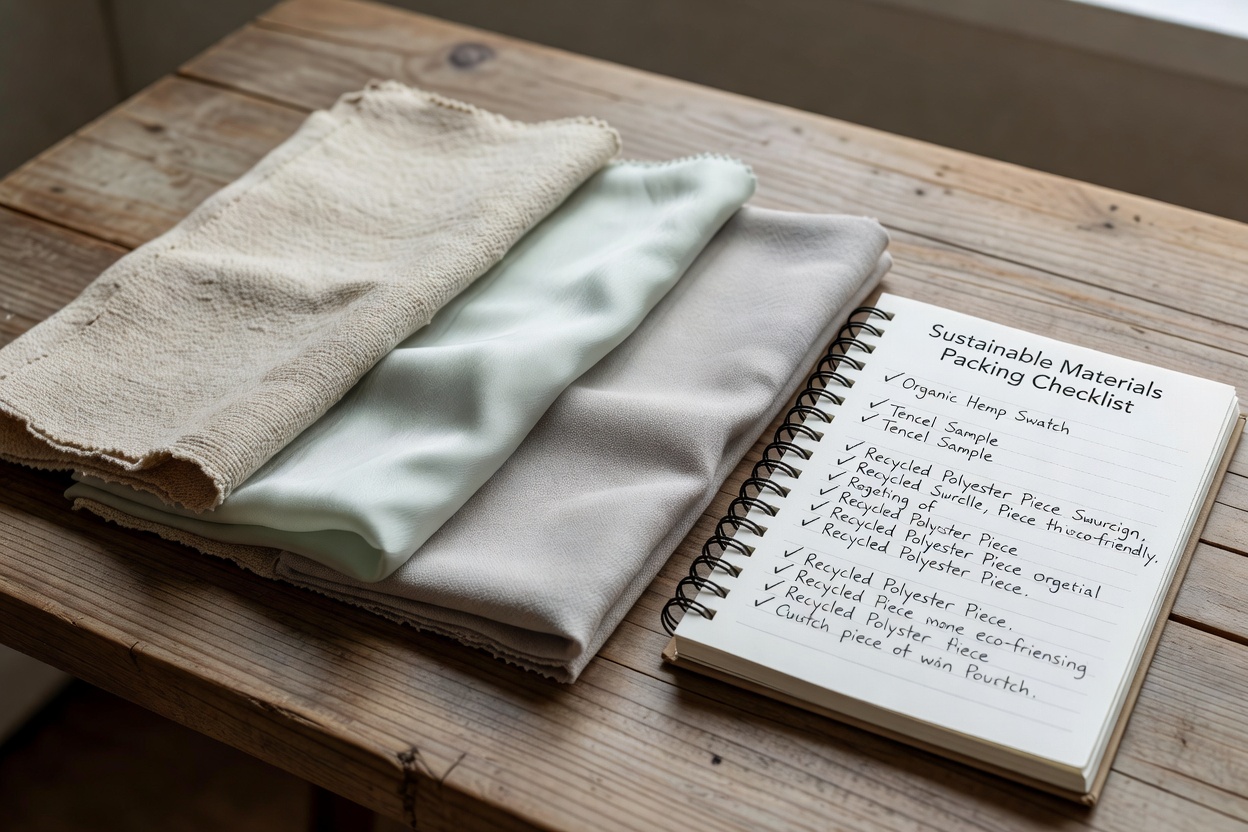
Choosing the right fabrics ensures durability, breathability, and easy care during long nights. Here is a detailed comparison of top options suitable for kink and play environments:
- Organic cotton and hemp blends: Soft against skin, highly breathable, and machine-washable. Ideal for harness bases, robes, or undergarments that require frequent washing. These natural fibers resist odor buildup better than many synthetics during extended wear.
- Recycled polyester from ocean plastics: Offers stretch and shine for fetish-inspired pieces while diverting waste from landfills. It provides a sleek aesthetic similar to traditional vinyl but with lower environmental impact during production.
- Tencel or modal from sustainably harvested wood: Silky drape perfect for flowing skirts, dresses, or lingerie that moves with the body. The fabric's moisture-wicking properties make it excellent for scenes involving physical activity.
- Upcycled leather alternatives from pineapple or apple waste: Strong yet flexible for cuffs, straps, and accessories without animal impact. These materials age gracefully and can be repaired easily compared to petroleum-based options.
These materials outperform conventional synthetics in moisture management and reduce microplastic shedding during washing. When comparing fabrics side by side, organic blends score highest for all-night comfort, while recycled polyesters excel in visual impact for themed nights. Always test new pieces at home first to ensure they meet your personal standards for movement and sensation.
Comfort and Practicality During Extended Play
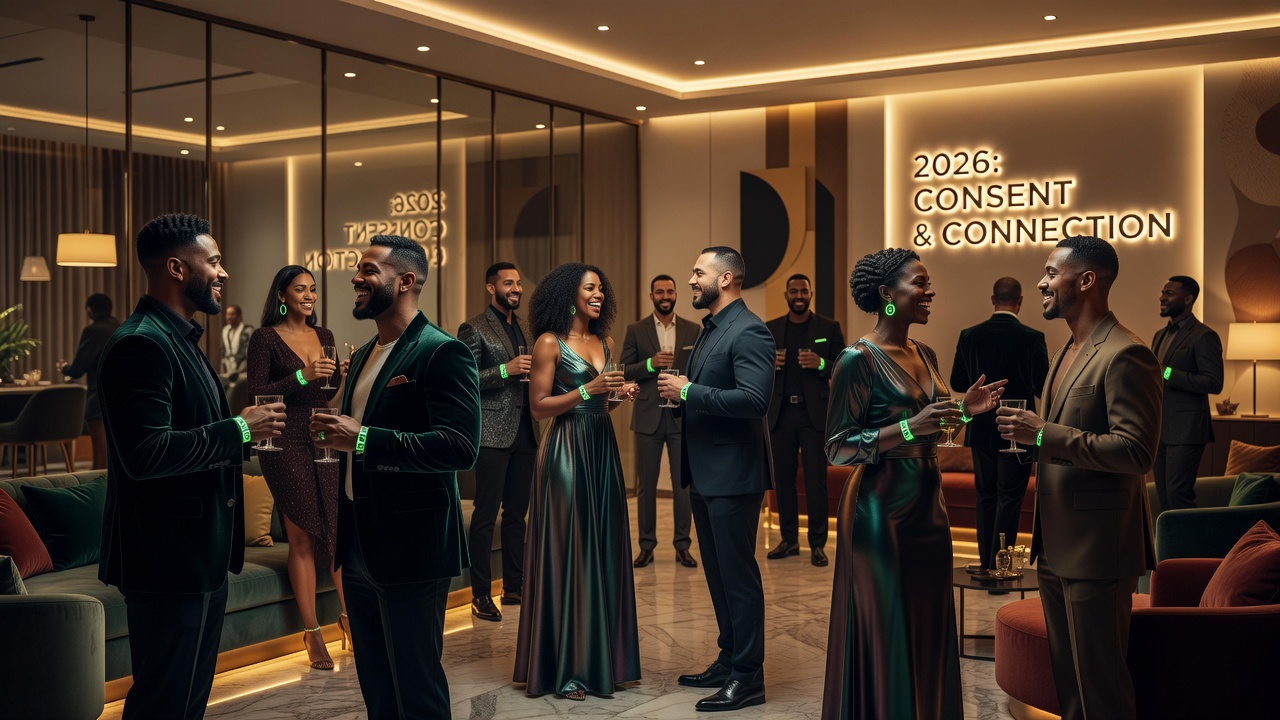
Events often last six to eight hours, so prioritize pieces that allow free movement and temperature regulation. Layering with organic cotton base layers prevents chafing under corsets or latex alternatives. Breathable fabrics wick sweat, keeping participants comfortable while respecting consent protocols around physical contact. Real-world examples from 2026 events include attendees at major European play parties wearing modular hemp-cotton sets that transitioned from social mingling to scene work seamlessly. One participant described how their Tencel-based outfit allowed easy adjustment between temperature-controlled play spaces without needing constant changes. Another highlighted how upcycled accessories held up through multiple uses without losing shape or color. Practical additions like hidden pockets for consent cards or small essentials further enhance usability. Avoid overly restrictive garments unless they are designed with quick-release features that prioritize safety.
Thematic Integration and Body-Positive Styling
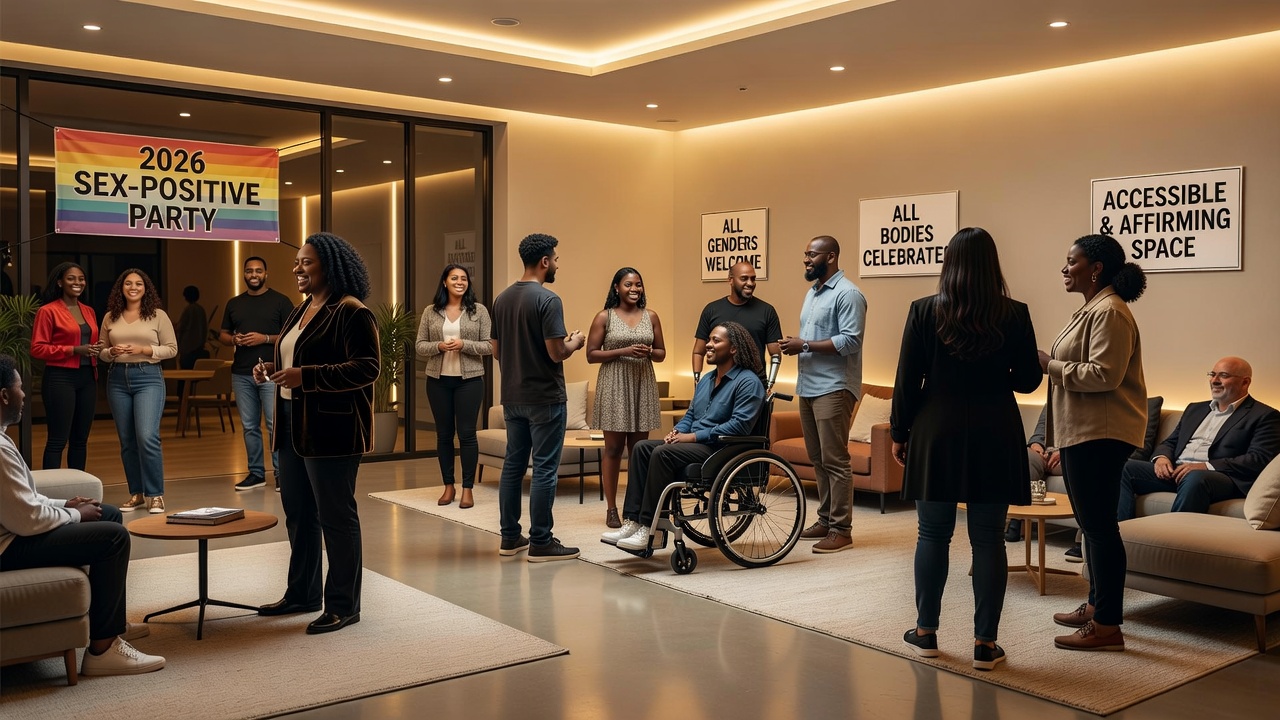
Incorporate event themes using natural dyes and zero-waste patterns. Earth-tone palettes pair beautifully with leather-alternative accessories for a cohesive look. Celebrate diverse bodies by selecting adjustable silhouettes that accommodate different shapes and mobility needs. Body-positive design means choosing cuts that flatter without pressuring conformity, such as wrap styles or elasticated waists in sustainable fabrics. Many 2026 events featured workshops on DIY customization, where attendees learned to modify second-hand finds into unique pieces that honored personal identities and the party aesthetic.
Budget Sourcing and Ethical Shopping
Shop second-hand platforms, rental services, and small-batch designers focused on ethical production. Look for certifications such as GOTS or Fair Trade when purchasing new items. Fairtrade International provides resources on verified supply chains that support workers in textile production. Community swaps at events themselves provide another low-impact option. Start by auditing your current wardrobe for items that can be repurposed before buying anything new. Online marketplaces specializing in sustainable resale often list pre-loved kink wear that has been professionally cleaned and inspected.
Step-by-Step Packing Checklist
- Base layer: organic cotton underwear, socks, and a lightweight tee for comfort under any outfit.
- Core outfit: one sustainable statement piece in Tencel or hemp that fits the event theme.
- Accessories: upcycled cuffs, belts, or jewelry that match the theme and allow quick adjustments.
- Comfort items: breathable robe and reusable water bottle to stay hydrated throughout the night.
- Care kit: small bottle of gentle detergent for spot cleaning and a compact sewing kit for minor repairs.
- Aftercare: soft organic cotton blanket or wrap for post-event relaxation.
- Documentation: printed or digital consent guidelines and emergency contacts stored safely.
Real-World Examples from 2026 Events
At a prominent West Coast sex-positive gathering in early 2026, several attendees showcased outfits constructed entirely from upcycled materials. One group coordinated matching hemp-based ensembles that incorporated natural indigo dyes for visual interest. Feedback from participants emphasized how these choices sparked conversations about sustainability within the community. Similarly, a European kink festival highlighted rental programs where designers offered modular pieces that could be mixed and matched across multiple nights, reducing the need for multiple purchases.
Common Mistakes to Avoid
Many newcomers overlook the importance of testing fabrics for stretch and recovery before committing to an event look. Another frequent error involves ignoring care labels, which can lead to premature wear on delicate sustainable items. Always prioritize pieces that support your range of motion and avoid anything that restricts circulation during dynamic activities.
Short FAQ on Laundry and Reusability
How do I wash sustainable kink wear? Use cold water and eco-friendly detergent on delicate cycles. Air dry to preserve fabric integrity and reduce energy use. The U.S. Environmental Protection Agency offers guidance on reducing the environmental footprint of household laundry.
Are these outfits reusable across multiple events? Yes. Quality pieces from organic or recycled materials withstand repeated wear and washing when cared for properly. Many last through dozens of events with basic maintenance.
What if an item gets damaged? Many designers offer repair programs; otherwise, upcycle into smaller accessories like blindfolds or ties. Check local textile recycling programs for end-of-life options.
Conclusion
Sustainable fashion enhances the values of consent and body positivity already central to kink communities. By selecting thoughtful materials and planning ahead, attendees create memorable looks that respect both people and planet. Start with one versatile piece and build your collection over time while exploring resources from organizations dedicated to ethical production practices.
No comments yet. Be the first!