 Spicy Trip

Why Boundaries Matter at Modern Sex-Positive Events
Attending sex-positive parties in 2026 requires clear personal limits to ensure everyone feels safe and respected. These events emphasize consent, yet without preparation, even experienced attendees can feel overwhelmed. This guide provides a practical 5-step process to identify, communicate, and maintain boundaries before, during, and after play parties. Establishing boundaries is not about restriction but about creating space for genuine enjoyment and mutual respect. Many newcomers discover that proactive boundary work transforms anxiety into empowerment, allowing deeper connections without fear of overstepping.
Step 1: Self-Reflection Before the Event
Begin by journaling your physical, emotional, and sexual limits. Consider past experiences and current comfort levels. Ask yourself what activities energize you versus what drains you. This foundational step prevents last-minute uncertainty and builds confidence. Spend at least thirty minutes reviewing recent interactions at similar events or in intimate settings. Note triggers such as specific touches, group dynamics, or time constraints. For example, one attendee realized through reflection that loud music combined with crowded spaces made them need extra verbal check-ins. Incorporate mindfulness techniques like deep breathing while listing preferences to ensure the process feels calm rather than stressful.
Step 2: Identifying Your Limits Clearly
Break limits into categories such as touch, penetration, emotional intimacy, and aftercare needs. Rank activities from enthusiastic yes to hard no. Revisit this list as your preferences evolve over time. Create a simple traffic-light system: green for full enthusiasm, yellow for conditional interest requiring discussion, and red for absolute no. This visual aid helps during fast-paced conversations. Real-world examples include marking group play as yellow if you prefer one-on-one only, or noting that alcohol consumption lowers your yellow threshold to red. Update the list quarterly to reflect personal growth.
Step 3: Preparing Verbal Boundary Scripts
Practice concise phrases in advance. Examples include: “I’m happy to kiss but not ready for anything below the waist tonight,” or “I need a safeword check every ten minutes.” These scripts reduce anxiety when conversations arise naturally. Expand your repertoire with additional phrases such as “Thank you for the invitation—I’m only open to light massage above the shoulders this evening,” or “Let’s pause and confirm we’re both still enthusiastic before moving forward.” Rehearse in front of a mirror or with a trusted friend to make delivery natural. Tailor scripts to your personality so they sound authentic rather than scripted.
Step 4: Communicating During the Party
Use both verbal and non-verbal cues. Verbal cues offer precision while non-verbal signals like hand gestures or body positioning provide quick, discreet communication in loud environments. Compare the two: verbal statements eliminate ambiguity, whereas non-verbal cues work best when paired with prior agreements. 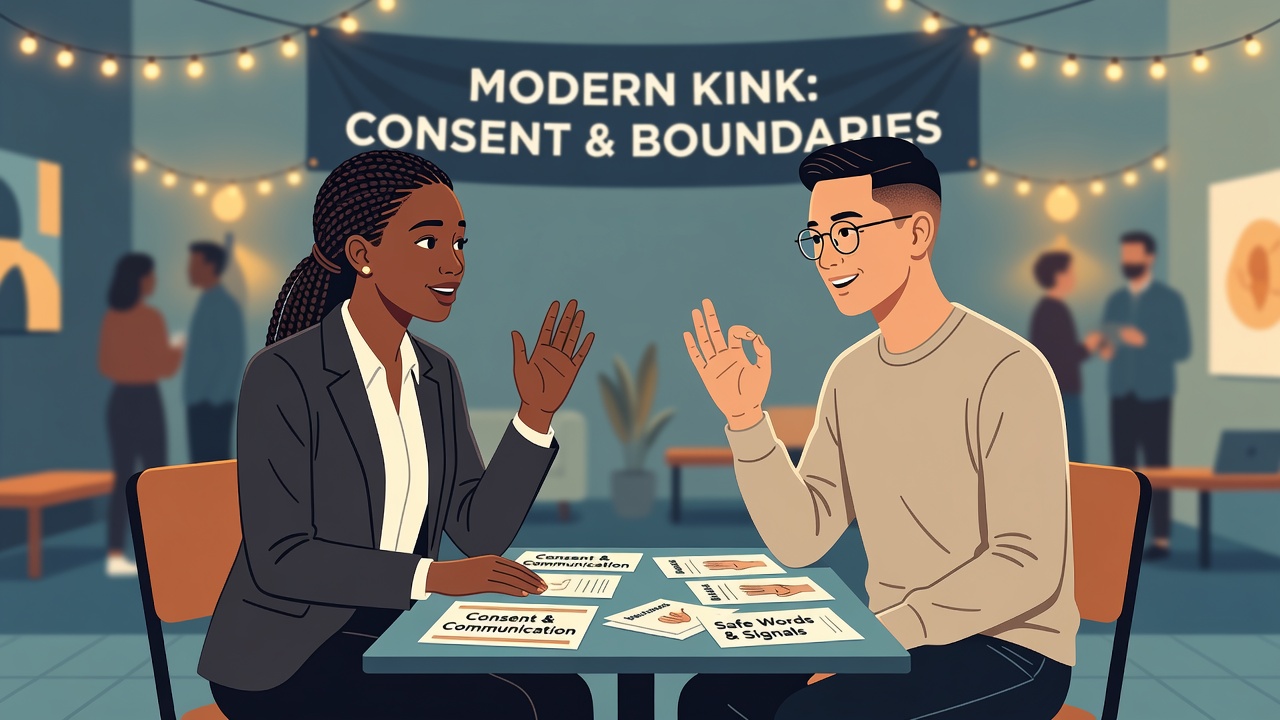
Step 5: Handling Violations and Post-Event Reflection
If a boundary is crossed, calmly restate your limit or seek event staff assistance. Follow orgy etiquette by removing yourself from the situation and checking in with trusted friends. After the event, reflect in a journal: What worked? What would you adjust next time? This closes the loop and strengthens future experiences. Document the incident factually without self-blame, noting how the violation occurred and how you responded. Schedule a follow-up conversation with any involved parties if appropriate, or connect with community support resources. Over time, this reflection builds resilience and sharper intuition for future events.
Verbal vs Non-Verbal Cues: A Practical Comparison
- Verbal cues excel in clarity and reduce misunderstandings but require privacy to deliver.
- Non-verbal cues allow fast signaling yet risk misinterpretation without established signals.
- Best practice combines both: agree on gestures beforehand and confirm verbally when possible.
- Verbal methods shine in one-on-one settings while non-verbal options prove invaluable in group or high-volume spaces.
- Always debrief after an event to refine which cue types felt most effective for you personally.
Real-World Boundary Scripts and Adaptations
Adapt these examples to fit your style: “Thank you for asking—tonight I’m only open to light touch above the shoulders.” Or “I’m pausing play now; let’s reconnect after some water and a quick chat.” Additional scenarios include responding to pressure with “I appreciate the enthusiasm, yet my limit remains firm on that activity.” Practice variations for different partner dynamics, such as long-term friends versus new acquaintances. Keep a mental or phone note of three go-to scripts to reduce decision fatigue mid-event.
Common Mistakes to Avoid
Many beginners skip pre-event reflection, leading to rushed decisions. Another frequent error is assuming non-verbal cues alone suffice without prior agreement. Avoid over-explaining boundaries in the moment; keep statements short and direct. Finally, neglecting post-event reflection means missing opportunities for growth. Review these pitfalls before each gathering to stay prepared.
Frequently Asked Questions
How do I say no without offending others?
Frame refusals positively: “I’m not available for that right now, but I’d love to chat more.” This maintains warmth while protecting your limits.
What if I freeze and can’t speak?
Pre-agree on a hand signal with your group and practice it until it feels automatic. Having a backup buddy system ensures someone can step in.
Can boundaries change mid-event?
Yes. Communicate updates immediately and respect any partner’s right to do the same. Revisit your traffic-light list on the spot if needed.
How should I handle boundary discussions with new partners?
Start early in the interaction with a light, positive script and invite reciprocal sharing. This normalizes consent conversations from the outset.
What resources support ongoing boundary education?
Explore established consent education at Planned Parenthood for foundational guidance, and review community standards through World Health Organization materials on healthy relationships.
Conclusion
Setting boundaries at 2026 sex-positive parties empowers you and elevates the experience for everyone. Follow the five steps consistently, practice your scripts, and reflect afterward. Consent becomes effortless when preparation meets clear communication. By investing time in these techniques, you contribute to a safer, more vibrant community where all participants can thrive.


No comments yet. Be the first!