 Spicy Trip
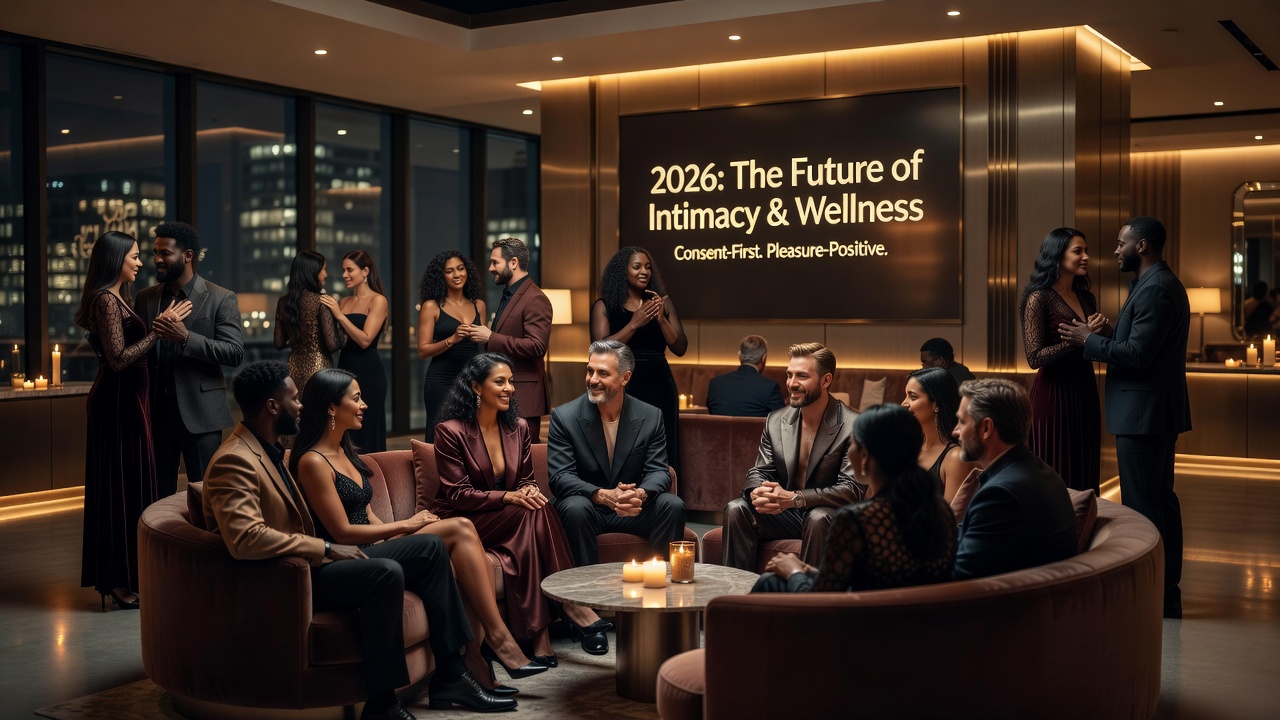
Introduction to Sex-Positive Parties in 2026
Sex-positive parties, often called play parties or kink events, have evolved into structured wellness experiences that prioritize consent, communication, and personal growth. In 2026, these gatherings attract wellness-focused individuals seeking more than traditional nightlife. Research from leading health organizations highlights how consensual adult environments can support mental well-being when approached mindfully. The rise of these events reflects broader societal shifts toward destigmatizing diverse expressions of intimacy and pleasure, with many participants reporting transformative effects on their emotional health.
Unlike standard club scenes, sex-positive events emphasize emotional safety alongside physical exploration. This article explores their documented upsides, including stress relief, confidence gains, and social bonding, while providing practical guidance for newcomers. As awareness grows, more people are turning to these spaces as alternatives to conventional social outlets that often lack clear boundaries or supportive structures.
Core Psychological Benefits
Attending these events can lower cortisol levels through structured social interaction and physical release. Participants frequently report reduced anxiety after engaging in guided activities that foster body positivity and boundary respect. Community connections formed here often extend beyond the event, creating lasting support networks that combat isolation and promote a sense of belonging.
Confidence building occurs naturally as individuals practice assertive communication in low-pressure settings. This skill transfers to daily life, improving relationships and self-esteem. Evidence-based approaches from World Health Organization underscore the role of positive social environments in overall mental health. Additional studies from National Institutes of Health suggest that consensual group activities can enhance dopamine responses linked to improved mood regulation and reduced symptoms of depression.
Another key benefit is the development of emotional resilience. By navigating varied social dynamics in a controlled environment, attendees learn to handle rejection gracefully and celebrate mutual agreements, which strengthens overall psychological flexibility.
Comparisons to Standard Nightlife
Standard nightlife often involves alcohol-driven interactions with unclear expectations. In contrast, sex-positive parties enforce explicit consent protocols and aftercare routines. This structure reduces post-event regret and emotional hangovers common in conventional venues. Many attendees find that the intentional focus on communication leads to deeper, more meaningful connections rather than superficial exchanges.
Where bars may emphasize appearance and competition, kink events celebrate diversity in body types and orientations. The result is a more inclusive atmosphere that supports authentic self-expression rather than performative socializing. Over time, this can lead to lasting improvements in self-perception and social confidence that traditional nightlife rarely provides.
Mental Preparation Steps Before Attending
Preparation is essential for maximizing benefits and minimizing anxiety. Follow these detailed steps to ensure a positive experience:
- Reflect on personal boundaries and desires in advance through journaling or guided meditation sessions lasting at least 20 minutes daily for a week prior.
- Research event rules via official organizers and attend orientation sessions that typically cover consent language and emergency protocols in depth.
- Practice consent phrases with trusted friends to build verbal confidence, role-playing scenarios involving both acceptance and polite refusal.
- Arrange transportation and a post-event support plan with a buddy who understands the emotional aftercare process.
- Engage in mindfulness exercises the day before to center emotions, such as progressive muscle relaxation or breathing techniques recommended by wellness experts.
- Review personal triggers and prepare coping strategies, including identifying safe words and exit plans if discomfort arises.
These steps align with orgy etiquette principles, ensuring respectful participation that enhances collective well-being and personal growth.
Real Participant Experiences
Case studies from 2026 events reveal common themes of personal transformation. One 32-year-old professional described how regular attendance helped manage work-related stress by providing a judgment-free outlet for expression, leading to better sleep patterns and reduced irritability at the office. Another participant noted improved body image after joining community workshops on sensuality, reporting higher self-worth in professional and romantic contexts alike.
A third example involves a couple who attended together and found that the structured environment strengthened their relationship through enhanced communication skills learned during the events. These anonymized accounts illustrate how repeated exposure to positive kink environments correlates with sustained mood improvements and stronger interpersonal skills over several months.

Expert Tips on Emotional Aftercare
Aftercare extends the mental health advantages by processing experiences thoughtfully. Experts recommend hydration, quiet reflection time, and open debriefs with partners immediately following the event. Scheduling follow-up check-ins 24 to 48 hours later prevents emotional dips and reinforces positive outcomes.
Additional practices include creating a comfortable recovery space at home with soft lighting and favorite music, as well as journaling specific positive moments to build a personal resource of uplifting memories. Resources from American Psychological Association emphasize integrating aftercare into any intimate activity for sustained psychological resilience.
Mistakes to Avoid for Optimal Benefits
Common pitfalls include skipping preparation or ignoring personal limits in the moment. Always arrive sober and well-rested to maintain clarity. Avoid comparing your experience to others, as each journey is unique. Neglecting aftercare can diminish the positive effects, so prioritize it equally with the event itself.
Frequently Asked Questions
How do these events address anxiety triggers?
Clear rules, safewords, and sober spaces help participants feel in control, reducing performance pressure that often fuels social anxiety. Many events also provide quiet zones for decompression.
Are there risks to mental health?
Potential challenges include overstimulation. Mitigation involves starting with smaller events and prioritizing self-care protocols before, during, and after attendance.
Can beginners participate safely?
Yes, many events offer newcomer orientations focused on education and gradual involvement, allowing participants to observe before fully engaging.
What if I feel overwhelmed during the event?
Utilize available support staff or designated safe areas, and remember that leaving at any time is always acceptable without judgment.
Conclusion
Sex-positive parties in 2026 offer meaningful mental health benefits when attended with preparation and respect for boundaries. By fostering stress relief, confidence, and community, these events provide a valuable alternative to conventional social scenes. Prioritize consent and aftercare to unlock their full wellness potential and integrate these experiences into a balanced, healthy lifestyle.

No comments yet. Be the first!