 Spicy Trip

Safer Sex Essentials for 2026 Play Parties & Kink Events
Attending sex-positive gatherings in 2026 demands more than enthusiasm—it requires deliberate preparation, clear communication, and adherence to evolving safer-sex practices. Whether you are new to the scene or have attended several events, understanding how to protect yourself and others creates a foundation for enjoyable experiences. This comprehensive guide addresses barrier methods, lubricant selection, testing protocols, consent language, hygiene routines, and aftercare tailored specifically to play parties and kink events. It also highlights 2026 trends such as improved non-latex materials and inclusive communication approaches that respect diverse identities and bodies.
Understanding Play Parties Versus Kink Events
Play parties typically feature open, multi-partner interactions in a shared space where fluid movement between activities is common. Kink events, by contrast, often center on negotiated scenes involving bondage, impact, or power exchange, with clearer start and end points. Both formats share the need for barrier protection and testing, yet they differ in timing of discussions. At a play party, negotiations may occur in the moment near a group area, while kink events usually require pre-scene talks that cover limits, safewords, and medical considerations. Recognizing these distinctions helps participants adapt their checklists accordingly and avoid mismatched expectations.
Pre-Party Preparation Checklist
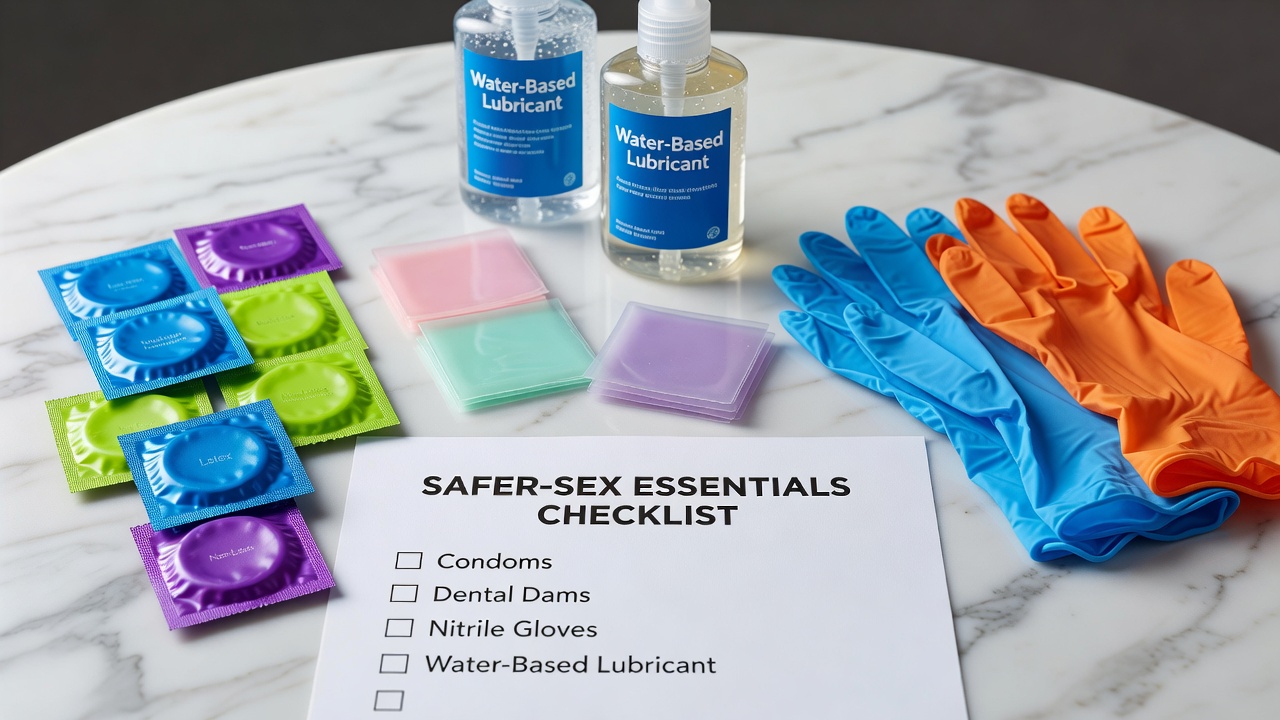
Effective preparation begins seven to ten days before the event. Start by confirming your own recent STI panel results and requesting the same from regular partners. Assemble a personal kit that includes an assortment of barriers in multiple sizes, several types of lubricant, dental dams, nitrile gloves, and single-use wipes. Review your personal boundaries in writing so you can reference them quickly during negotiations. Arrange reliable transportation and identify a quiet space for post-event decompression. Finally, inform at least one trusted friend of your plans and expected return time as an added safety measure.
- Schedule or review comprehensive STI testing including HIV, syphilis, gonorrhea, chlamydia, and hepatitis
- Stock both latex and non-latex condoms plus internal condoms for versatility
- Select lubricants labeled compatible with latex, polyisoprene, and nitrile
- Include finger cots and disposable pads for surface protection
- Prepare a small aftercare pouch containing water, snacks, and a change of clothing
- Research venue rules on photography and phone use in advance
Barrier Methods and Lubricant Choices in 2026
Barrier technology continues to advance. Newer ultra-thin polyisoprene condoms offer enhanced sensitivity while maintaining strength, and several manufacturers have introduced pre-lubricated dental dams with improved adhesion. For individuals with latex sensitivities, nitrile options remain the standard recommendation. When selecting lubricant, prioritize water-based or hybrid formulas that will not degrade barrier materials. Silicone-based lubes can be useful for longer sessions but require careful cleanup to prevent residue buildup on toys or furniture. Always perform a small patch test on your inner forearm twenty-four hours before the event to rule out irritation.
STI Testing Protocols and Sharing Results
Regular testing forms the backbone of safer play. Many frequent attendees aim for full panels every three months when participating in group events. Results should be shared via secure apps or printed copies during pre-event conversations. Authoritative guidance from the CDC recommends discussing window periods and recent exposures openly. When new partners join a gathering, request verbal confirmation of their most recent test date and any interim symptoms. Keep digital copies encrypted and never pressure anyone to disclose results in front of a group.
In-the-Moment Negotiations and Consent Phrases
Clear, ongoing consent is non-negotiable. Effective phrases include “I would like to use a dam for oral—are you comfortable with that boundary?” or “Let’s pause and check in before we change positions.” When group dynamics shift, revisit agreements with simple questions such as “Does this still feel good for everyone?” Practice using inclusive language that avoids assumptions about anatomy or gender. For example, refer to “front hole” or “external genitals” rather than gendered terms when the group includes transgender or non-binary participants. Documenting safewords and hard limits on a small card kept in your kit can serve as a quick reference during high-energy moments.
Hygiene Routines and Venue Etiquette
Maintain rigorous hand hygiene by washing before and after every partner change. Designate single-use towels and dispose of used barriers immediately in provided receptacles. At larger events, bring your own small bottle of hand sanitizer and a pack of antibacterial wipes for surfaces. Change gloves between activities and never reuse them. Respect shared spaces by keeping personal items contained and notifying hosts promptly if any cleanup assistance is needed.
Post-Event Care and Follow-Up
After returning home, shower thoroughly and inspect skin for any signs of irritation or breakage. Schedule follow-up testing four to six weeks later if new partners were involved. Reconnect with your support network to process the emotional aspects of the experience. Many participants find that journaling specific moments helps identify what worked well and what could be adjusted for future events.
Common Mistakes to Avoid
One frequent error is assuming that verbal consent given at the start of the evening covers all subsequent activities. Another is neglecting to replace barriers when switching between partners or orifices. Participants sometimes overlook dental dam use during oral contact or fail to communicate allergies until an issue arises. Planning for these scenarios in advance reduces risk and builds trust within the community.
FAQ
What if someone discloses a latex allergy? Immediately switch to nitrile or polyurethane products and confirm that all participants in the immediate area are aware of the change.
How should cleanup be handled efficiently? Establish a dedicated station with biohazard disposal bags, gloves, and disinfecting wipes so used materials can be removed discreetly without interrupting the flow of the event.
Are there notable 2026 barrier innovations? Several companies now offer single-use, pre-lubricated dams with textured edges for better grip and reduced tearing, available through major sexual wellness retailers.
What resources exist for inclusive safer-sex education? The World Health Organization and Planned Parenthood both publish updated guides on inclusive language and barrier use that reflect current best practices.

No comments yet. Be the first!