 Spicy Trip

Introduction to Privacy at Modern Kink Events
As kink and sex-positive events continue to grow in popularity throughout 2026, attendees must navigate an increasingly complex landscape of digital risks. Smartphones, social media platforms, and potential data leaks create ongoing threats to personal privacy. Participants who value both enjoyment and security need clear, actionable strategies centered on consent, data protection, and post-event safeguards. This comprehensive guide provides in-depth advice to help attendees protect themselves while fully participating in these vibrant communities.
Pre-Event Preparation and Agreements
Thorough preparation begins weeks before any event. Start by contacting organizers to request detailed written policies on photography, recording, and device usage. Many events now require attendees to sign digital waivers that explicitly prohibit photos or videos without mutual consent from all involved parties. When reviewing these agreements, ask specific questions such as how consent will be verified on-site, what happens to any collected data, and whether the event uses encrypted communication channels for updates. It is also wise to discuss device policies directly with hosts, including options like mandatory phone checks at entry or secure storage lockers. These pre-event conversations establish accountability and help prevent misunderstandings later. Consider creating your own personal checklist that includes confirming the event’s privacy officer contact information and reviewing local laws regarding consent and recordings in your area.
On-Site Device Policies and Best Practices
Once at the event, strict device management becomes essential. Hosts increasingly provide Faraday pouches that block signals or maintain locked phone stations near the entrance. Attendees should arrive with minimal personal information stored on their devices and always enable strong passcodes combined with biometric authentication. Compare privacy norms across different event formats to set appropriate expectations. Private house parties often rely on verbal consent for any recording and maintain a strict no-phone policy in play areas. Larger club events frequently use color-coded wristbands to indicate photo permission levels. Hybrid online events demand additional precautions such as using virtual private networks and avoiding identifiable backgrounds during video segments. Real-world incidents, including a 2024 breach at a European kink festival where unauthorized images spread online, demonstrate the value of these measures. Organizers traced the source through event Wi-Fi logs and issued successful takedown requests, prompting the adoption of improved encrypted entry systems.
Handling Accidental Recordings: Step-by-Step Protocols
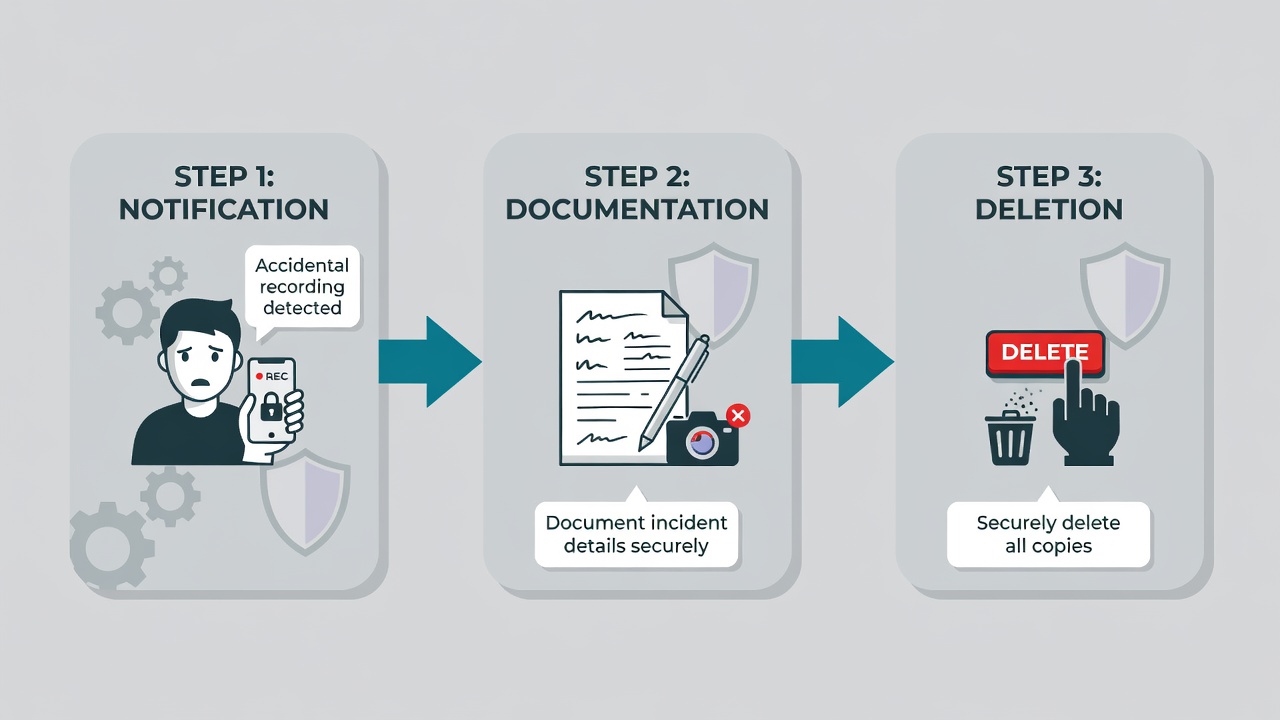
Accidental recordings can occur despite best efforts. When this happens, follow a clear, calm protocol to minimize harm. First, notify the event host or designated privacy officer immediately rather than confronting the individual directly. Second, document the incident thoroughly with timestamps, witness names, and descriptions while keeping all evidence secure and private. Third, request immediate deletion of the content in the presence of a neutral third party to ensure compliance. Fourth, submit a formal written incident report that can serve as a record for any future legal steps. Fifth, follow up with the organizer within 48 hours to confirm the resolution and request any necessary policy adjustments. This structured approach protects everyone involved and maintains the trust within the community.
Comparing Privacy Norms Across Event Types
Privacy expectations vary significantly depending on the setting. Intimate dungeon parties emphasize closed-door policies and often ban phones entirely from play spaces. Public fetish clubs typically allow photography only in designated social zones with visible signage and staff oversight. Online-hybrid events require extra technical safeguards such as watermarking agreements and end-to-end encryption for any shared materials. Understanding these differences allows attendees to choose events that align with their personal comfort levels and to prepare accordingly.
Post-Event Risks and Mitigation
After leaving an event, continued vigilance is necessary. Regularly monitor social media platforms for unauthorized tags or mentions and request prompt removal through private messages or platform reporting tools. Legal recourse options depend on your location and may include claims for invasion of privacy or violations of data protection regulations. Useful resources include guidance from the Electronic Frontier Foundation on digital rights and the ACLU for understanding recording consent laws across jurisdictions. The National Coalition for Sexual Freedom also offers practical support for community members facing privacy challenges.
Real-Life Breach Examples and Resolutions
Several documented cases highlight both the risks and effective responses. In 2025, an attendee’s image appeared on a mainstream website following a private kink gathering. Quick intervention through the National Coalition for Sexual Freedom resulted in content removal and prompted the venue to adopt stricter verification processes. Another incident involved an accidental guest list leak that was contained using encrypted messaging tools and host-led accountability meetings. These examples show how proactive communication and established protocols can resolve issues efficiently while strengthening future protections.
Common Mistakes to Avoid
Many attendees inadvertently increase their risk through avoidable errors. Never assume verbal consent extends to recording. Avoid storing sensitive contact information on devices brought to events. Do not share event details on personal social media accounts without explicit permission from organizers. Failing to read the full waiver or neglecting to confirm device storage options can also lead to problems. Staying informed and double-checking policies helps prevent these oversights.
Frequently Asked Questions
How should I handle unwanted social media tagging after an event?
Contact the poster privately first and request removal. If ignored, report the content to the platform and notify the event organizer so they can address any policy violations.
What legal options exist for privacy breaches at kink events?
Options may include civil claims for invasion of privacy or reporting violations to relevant authorities under data protection laws. Always consult local regulations and consider seeking professional legal advice tailored to your situation.
Are there recommended apps or tools for protecting privacy at events?
Many attendees use signal-blocking pouches, encrypted messaging apps, and temporary phone numbers. Research tools thoroughly and test them before relying on them at an event.
How can hosts improve privacy for future events?
Hosts can implement mandatory device checks, provide secure storage, require detailed consent forms, and establish clear reporting channels for incidents.
Conclusion
Protecting personal privacy at 2026 kink events allows attendees to participate fully while reducing potential harms. By focusing on thorough pre-event agreements, vigilant on-site practices, structured response protocols, and ongoing post-event monitoring, individuals contribute to safer and more respectful community spaces for everyone involved.

No comments yet. Be the first!