 Spicy Trip
Introduction: The Rise of Learning-Focused Kink Events in 2026
As kink and sex-positive communities evolve, workshops have moved from optional add-ons to central features of events in 2026. Attendees now seek structured opportunities to build practical skills in consent, communication, and technique alongside social and play experiences. This shift reflects a broader emphasis on safety, personal growth, and deeper satisfaction in erotic spaces. Events that prioritize education help participants feel more confident and connected, turning one-off parties into meaningful journeys of exploration.
Whether you are new to the scene or a seasoned practitioner, understanding how workshops integrate with evening play sessions can transform your event experience. This article examines popular workshop formats, practical integration strategies, real-world attendee insights, and actionable steps for proposing your own sessions. By blending structured learning with erotic exploration, participants report higher levels of fulfillment and reduced risks during play. The trend toward education-first events also fosters inclusive environments where diverse identities and experience levels are welcomed.
Popular Workshop Formats at Modern Kink Events
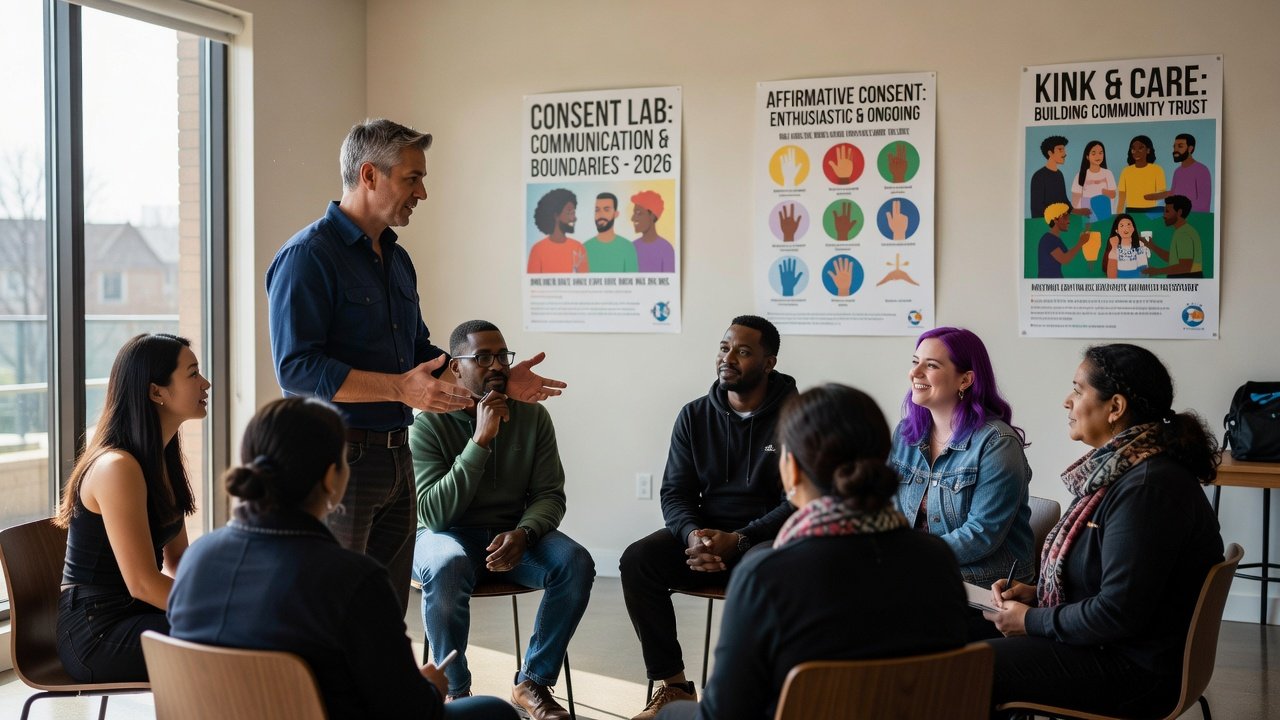
Consent labs remain among the most requested formats. These interactive sessions break down affirmative consent models, boundary negotiation, and aftercare planning through role-play scenarios and group discussions. Participants practice verbal check-ins and non-verbal cues in controlled environments, building muscle memory for real-world application. Facilitators often use case studies drawn from community experiences to illustrate common pitfalls and successful strategies.
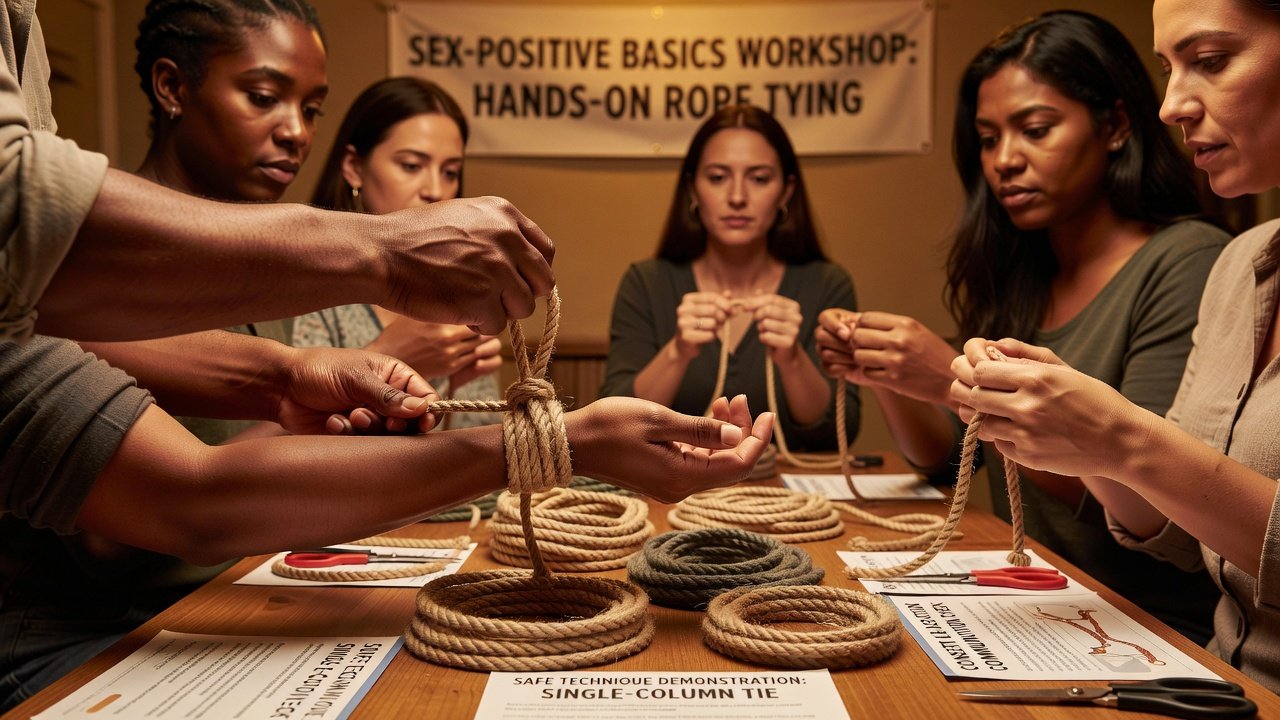
Rope basics workshops introduce foundational techniques for safe bondage. Facilitators cover single-column ties, tension management, and quick-release methods using natural fiber ropes. Hands-on practice allows attendees to experience both tying and being tied, with emphasis on circulation checks and emotional safety signals. Advanced variations may include suspension basics or decorative harnesses for those who progress quickly.
Communication drills focus on expressing desires and limits clearly. Exercises might include timed partner dialogues or guided journaling followed by sharing circles. These sessions often draw from established frameworks promoted by organizations like Planned Parenthood, adapting sexual health principles to kink contexts. Additional formats cover impact play safety, polyamory dynamics in group scenes, and sensory exploration tailored for neurodivergent participants. Each balances theory with immediate practice, ensuring attendees leave with usable tools rather than abstract concepts.
Integrating Workshops with Evening Play Sessions
Successful events schedule workshops earlier in the day so participants can apply new knowledge during evening play. For example, a morning consent lab might lead directly into a structured negotiation circle before open play begins. This sequencing creates natural progression from learning to embodiment. Organizers frequently provide dedicated cool-down spaces after workshops where attendees can reflect and connect with potential play partners. Integration tips include color-coded wristbands indicating recent workshop completion and themed play areas that echo workshop themes, such as a rope lounge following a tying session.
Attendees report higher satisfaction when events offer optional debrief circles the next morning. These allow participants to process experiences and reinforce lessons learned. Practical examples show that pairing a communication drill with a low-pressure social mixer increases the likelihood of meaningful connections forming organically later in the evening.
Selecting Events with Strong Learning Components
When choosing a 2026 kink event, review the schedule for dedicated workshop blocks rather than brief demonstrations. Look for events hosted by established sex-positive organizations that partner with certified educators. Check attendee reviews on community forums for mentions of skill retention and post-event application. Prioritize venues that provide quality materials, such as sanitized equipment and printed handouts. Events offering tiered ticket options with workshop access often deliver more comprehensive experiences. Cross-reference event websites with resources from World Health Organization guidelines on sexual health to ensure alignment with evidence-based safety practices. Additional criteria include accessibility features like quiet rooms and clear signage for different experience levels.
Real Attendee Experiences and Personal Growth Outcomes
Many participants describe workshops as pivotal moments. One attendee at a major 2026 event shared how a communication drill helped them articulate long-held boundaries, leading to more fulfilling scenes later that weekend. Another learned rope safety techniques that prevented an injury during subsequent play. A third participant credited a consent lab with improving their ability to navigate group dynamics, resulting in stronger ongoing relationships within the community. Measuring personal growth often involves tracking confidence levels before and after events. Simple self-assessments, such as rating comfort with negotiation on a 1-10 scale, reveal tangible progress. Over multiple events, attendees frequently note improved relationship dynamics and reduced anxiety around consent conversations.
Step-by-Step Guide to Proposing Your Own Workshop
- Research event themes and audience needs through past schedules and community surveys to identify gaps in programming.
- Develop a clear outline including learning objectives, materials required, and time allocation for theory versus practice, ensuring inclusivity for all body types and abilities.
- Submit a proposal via the event organizer’s official form, highlighting your credentials and alignment with safety standards from recognized bodies.
- Prepare backup plans for varying group sizes and accessibility needs, such as alternative activities for those with physical limitations.
- Follow up with post-event feedback collection to refine future offerings and build your reputation as an educator.
Safety and Ethical Considerations in Workshop Settings
Beyond skill acquisition, workshops emphasize risk-aware practices. Facilitators discuss physical and emotional boundaries, emergency protocols, and the importance of ongoing consent checks. Ethical guidelines encourage transparency about power dynamics in teaching roles. Cross-referencing with Centers for Disease Control and Prevention resources on healthy relationships helps ground sessions in public health principles. Attendees are encouraged to report concerns promptly to organizers.
Frequently Asked Questions
What should I bring to a workshop at a kink event?
Bring a notebook, comfortable clothing suitable for movement, and any personal items like water bottles or fidget tools. Some workshops request participants bring their own ropes or impact implements for personalized practice.
How do I prepare mentally for educational sessions?
Review basic consent principles beforehand and arrive with an open mindset. Setting an intention, such as focusing on one skill to master, enhances retention and reduces overwhelm.
Are workshops suitable for complete beginners?
Yes, most events offer beginner-friendly tracks alongside advanced options. Check descriptions for prerequisites to choose appropriately and avoid frustration.
How long do typical workshops last?
Most run between 60 and 120 minutes, allowing time for both instruction and hands-on elements while keeping energy levels high.
Conclusion
Workshops at 2026 kink events represent a powerful fusion of education and erotic exploration. By selecting events with robust learning components, actively integrating new skills into play, and even proposing your own sessions, participants unlock deeper satisfaction and lasting personal growth. This approach not only elevates individual experiences but strengthens the entire sex-positive community through shared knowledge and mutual respect.

No comments yet. Be the first!