 Spicy Trip
Introduction to Sensory Design in Sex-Positive Events
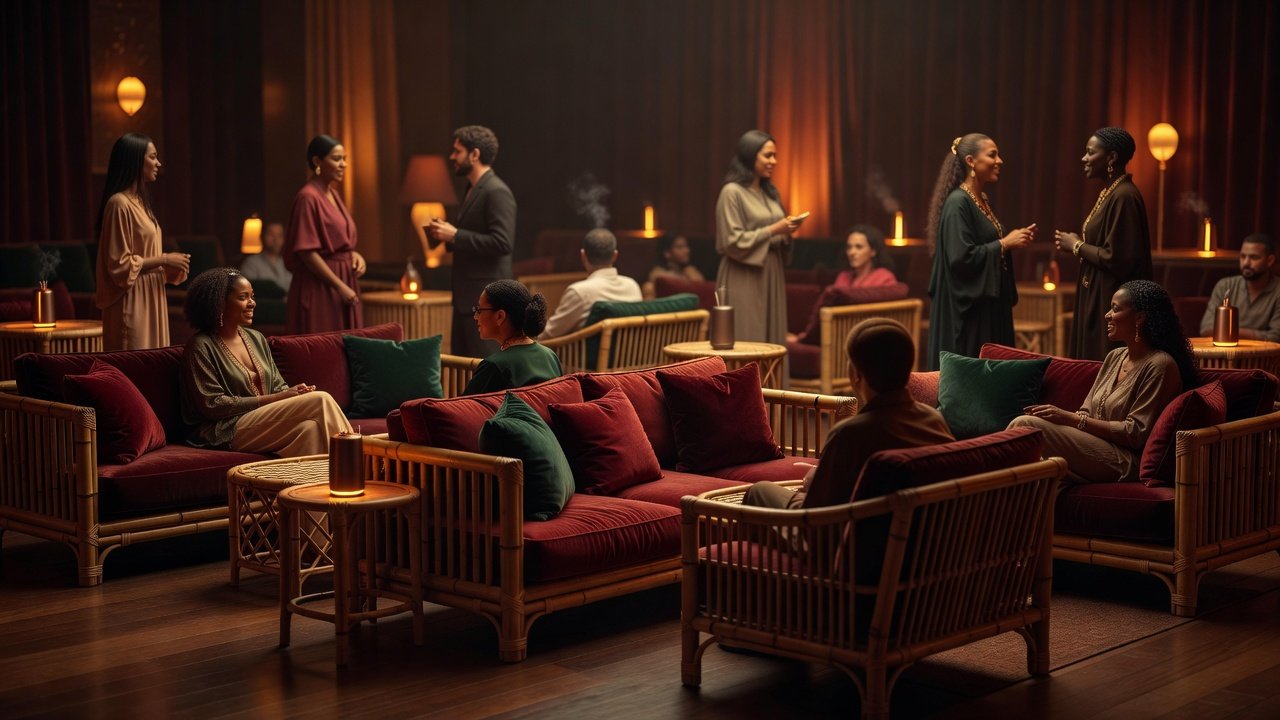
Sensory design transforms ordinary gatherings into deeply immersive experiences at sex-positive parties and kink events. In 2026, creators focus on layered elements that engage sight, sound, smell, and touch while emphasizing consent, sustainability, and accessibility. This approach moves beyond basic etiquette to craft environments where attendees feel safe, stimulated, and included. Thoughtful integration of these elements helps participants connect more authentically, reduces anxiety, and supports diverse comfort levels across the evening.
Effective sensory planning considers diverse needs, from neurodivergent participants to those with mobility considerations. By integrating sustainable materials and inclusive features, hosts can elevate parties without overwhelming senses or excluding guests. Research into environmental psychology shows that balanced multisensory input can heighten enjoyment while preventing fatigue, making it essential for longer events that may last several hours.
Lighting Strategies for Mood and Immersion
Lighting sets the emotional tone from the moment guests arrive. Warm, dimmable LEDs in amber and deep red hues create intimacy without harsh glare. Layer ambient lighting with accent spots to highlight safe zones and play areas subtly, allowing visual navigation without spotlighting individuals. In 2026, many organizers incorporate circadian-friendly color temperatures that shift gradually from energizing daylight tones early in the evening to relaxing warmer hues later on.
Smart, app-controlled systems allow real-time adjustments based on crowd energy levels. Avoid strobe effects that could trigger sensory overload; instead, use gradual fades and programmable sequences that respond to music beats. Practical examples include placing floor-level pathway lighting in high-traffic areas and using blackout curtains to control natural light in urban venues. Hosts often test setups during daytime rehearsals to ensure consistency across different times of night.
Soundscapes That Enhance Connection
Curated soundscapes blend low-frequency bass with ambient textures to foster connection without dominating conversations. Curate playlists that evolve throughout the evening, starting subtle and building energy during peak hours. Incorporate directional speakers to create private auditory pockets where groups can converse or engage in activities with minimal bleed from main areas.
Balance volume levels so background music supports rather than competes with dialogue. Provide quiet zones equipped with noise-canceling headphones or sound-absorbing panels for those needing breaks. 2026 setups frequently include zoned audio systems that allow different rooms to maintain independent sound profiles, ensuring a seamless flow between high-energy dance spaces and calmer social lounges.
Scents for Atmosphere and Memory
Scents anchor memories and influence mood on a subconscious level. Use essential oil diffusers with notes like sandalwood or lavender for calming effects, or citrus blends for energy. Ensure proper ventilation to prevent buildup that could irritate sensitive attendees or trigger allergies. Opt for natural, non-synthetic options aligned with 2026 sustainability goals, avoiding aerosols that harm indoor air quality.
Position diffusers strategically near entrances and transition areas while keeping stronger aromas away from food or intimate zones. Rotating scent profiles every two hours maintains freshness and prevents olfactory fatigue. Many hosts consult with attendees in advance through optional surveys to identify preferred or restricted fragrance families.
Textures and Sustainable Materials
Textures add tactile richness that invites exploration and comfort. Incorporate velvet cushions, silk drapes, and natural wood or bamboo elements for grounding sensations. 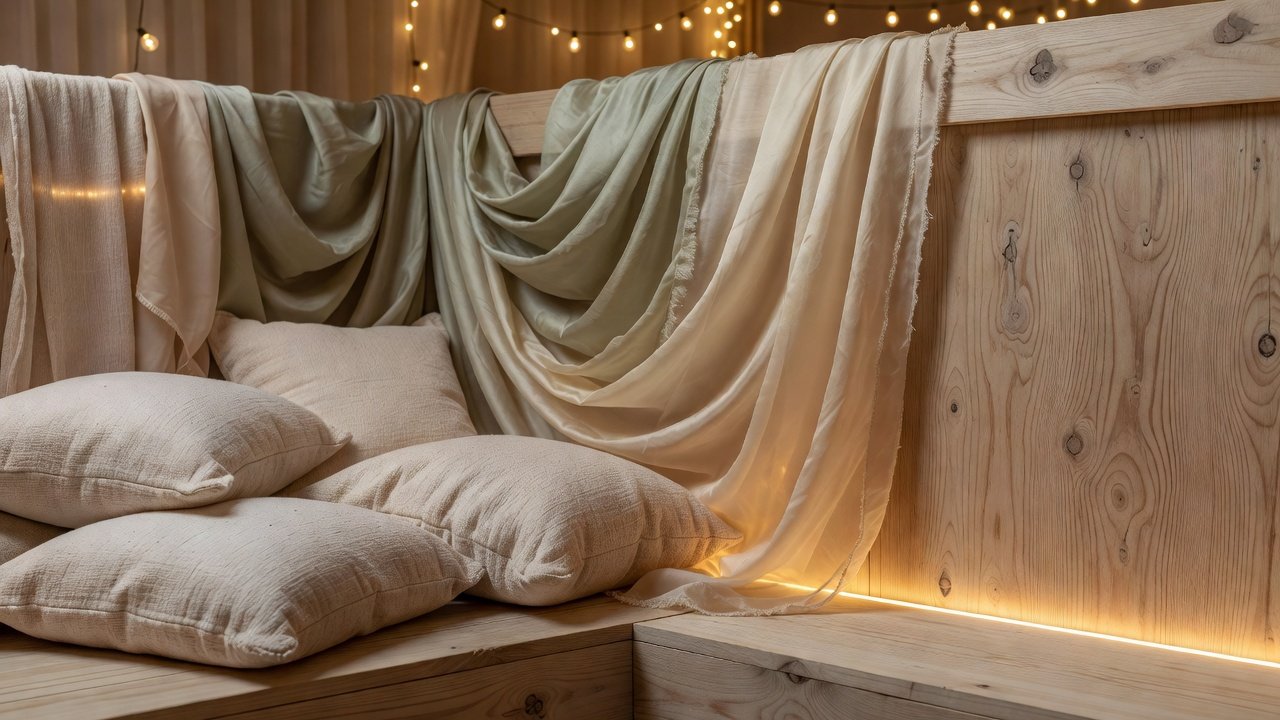
Prioritize recycled or organic fabrics that feel luxurious yet eco-friendly, supporting broader inclusive practices. Consider temperature-responsive materials such as cooling gel inserts in seating areas for extended events. Layering different fabric weights allows guests to self-regulate their sensory input by choosing where to sit or recline.
Balancing Stimulation for Diverse Attendees
Successful events accommodate varying sensory thresholds by offering clear options for customization. Provide color-coded wristbands signaling preferred intensity levels and map quiet versus high-energy zones with visible signage. Accessibility features include tactile floor guides, scent-free areas, and visual cue cards that explain layout without requiring verbal navigation.
According to guidance from the World Health Organization on creating inclusive spaces, designers should account for both hyper- and hypo-sensitive individuals. Hosts can further support attendees by offering pre-event sensory maps and on-site adjustment stations where guests can request changes to lighting or volume in specific zones.
Step-by-Step Setup Examples
- Assess venue size and natural light sources two weeks prior, noting electrical outlets and ventilation points.
- Select a core color palette and test lighting at expected attendance levels during a full rehearsal.
- Layer audio with multiple zones and test at peak volume while measuring decibel levels in adjacent quiet areas.
- Position scent diffusers near entrances but away from play areas, using timers for controlled release.
- Arrange texture stations with clear consent signage and multiple height options for accessibility.
- Conduct a sensory walk-through with diverse testers before doors open, collecting feedback on each element.
- Prepare backup power sources and manual overrides for all technology to handle unexpected failures.
Low-Tech Versus High-Tech Comparisons
Low-tech options like battery candles and manual playlists offer simplicity and lower cost with reliable results that require minimal training. High-tech solutions, such as programmable LED walls and spatial audio systems, deliver dynamic customization but demand technical expertise and backup power plans. Many 2026 hosts blend both approaches: smart bulbs paired with analog fabric draping for balanced, resilient atmospheres that remain functional even during technical glitches.
Comparing the two reveals that low-tech setups excel in smaller or pop-up venues where portability matters most, while high-tech excels in fixed locations with dedicated staff. Hybrid models often yield the highest attendee satisfaction because they combine reliability with modern flexibility.
Common Sensory Pitfalls to Avoid
- Overloading with competing stimuli that cause rapid fatigue—mitigate by spacing intense elements across separate zones.
- Ignoring ventilation when using scents, which can lead to headaches; always cross-check airflow rates.
- Neglecting quiet retreat spaces, leaving overwhelmed guests without options and reducing overall event success.
- Using non-accessible materials that exclude mobility users, such as deep rugs without clear paths or seating without armrests.
- Failing to gather post-event feedback, missing opportunities to refine future sensory layouts.
2026 Trends: Sustainable and Inclusive Features
Current trends emphasize circular-economy materials and universal design principles. Organizers increasingly source from suppliers using renewable energy, aligning with broader environmental standards promoted by the Environmental Protection Agency. Inclusive accessibility now routinely includes multilingual visual guides and adjustable sensory stations that accommodate both wheelchair users and standing participants. These features not only meet ethical expectations but also expand the potential guest list significantly.
FAQ: Adapting Designs for Various Venue Sizes
How do I scale sensory elements for small apartments?
Focus on portable diffusers, string lights, and one central sound zone. Prioritize vertical textures like hanging fabrics to maximize limited space while keeping pathways clear for movement.
What works best in large warehouses?
Divide the area into themed sensory pods with consistent lighting themes. Use multiple scent stations spaced apart and directional audio to prevent bleed-over between sections.
Can designs accommodate outdoor settings?
Yes, incorporate weather-resistant materials and natural elements like fire pits for light and warmth, while adding wind barriers for scent control and providing shaded quiet corners.
How can hosts incorporate feedback loops?
Place anonymous digital or paper feedback stations at exits and review responses within 48 hours to identify which sensory elements resonated most strongly.
Conclusion
Thoughtful sensory design elevates sex-positive parties into memorable, inclusive experiences. By blending 2026 trends in sustainability and accessibility with practical layering techniques, hosts create spaces that respect boundaries and spark connection. Start small, test thoroughly, and iterate based on attendee feedback for ongoing refinement that keeps events fresh and welcoming year after year.
No comments yet. Be the first!