 Spicy Trip
Introduction to BDSM Safety and Harm Reduction
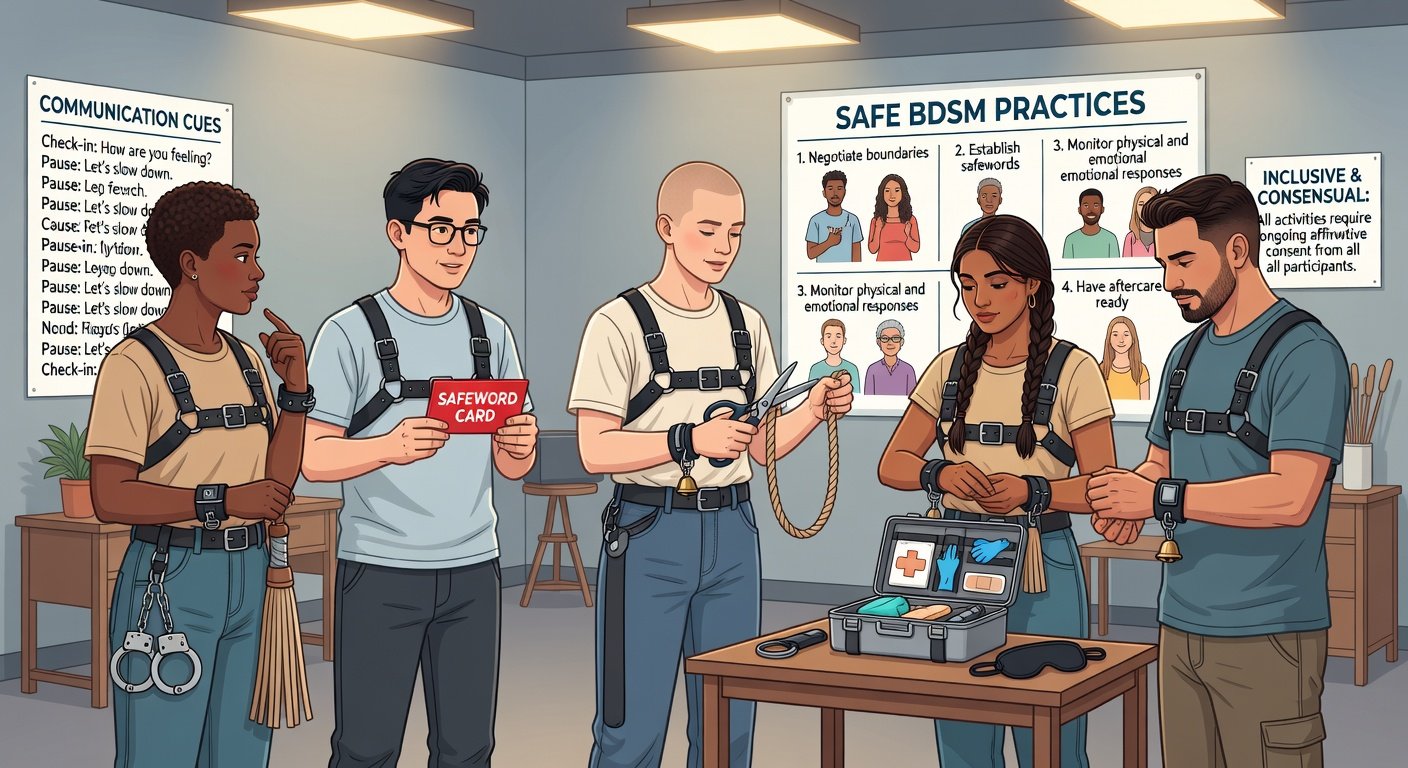
Exploring kink play requires prioritizing safety to minimize physical and emotional risks. This comprehensive guide focuses on preventing common BDSM injuries through proactive strategies, making it essential for beginners seeking reliable kink basics and BDSM tools knowledge. Whether you are new to impact play or restraint techniques, understanding how to reduce harm creates a foundation for enjoyable and consensual experiences.
Many participants enter kink activities without full awareness of potential hazards. Education on body mechanics, tool selection, and real-time assessment prevents most issues before they arise. Proactive harm reduction aligns with consent practices and ongoing communication, ensuring all participants feel secure throughout the session and beyond.
Understanding Common Physical and Emotional Risks in Kink Activities
Impact play can lead to bruising, nerve damage, or joint strain if strikes land incorrectly on sensitive areas. Repeated blows to the same spot without adequate recovery time increase the likelihood of deeper tissue injury. Restraints may cause circulation problems, skin abrasions, or positional asphyxia when limbs are held in awkward angles for extended periods.
Emotional risks often surface after the physical activity ends. Sub drop, characterized by sudden mood changes or fatigue, can occur due to adrenaline shifts. Anxiety may develop if boundaries feel crossed or aftercare is insufficient. Recognizing these allows for targeted prevention. For general health insights on injury patterns, refer to CDC resources on injury prevention.
Additional risks include allergic reactions to materials like latex in cuffs or rope fibers irritating sensitive skin. Overlooking hydration and temperature control during longer scenes can compound physical stress.
Step-by-Step Prevention Techniques for Impact Play
Begin every session with clear negotiation covering limits, safe words, and medical considerations. Select implements suited to experience level, starting with softer options like hands or fur-covered paddles. Warm up the skin for five to ten minutes using light taps to increase blood flow and reduce injury chance.
Target fleshy muscle groups such as the buttocks, thighs, and upper back while strictly avoiding the lower back, spine, kidneys, neck, and face. Alternate sides and vary intensity to prevent localized trauma. After each strike, observe skin response for excessive welting or color changes that signal the need to pause.
Practice control exercises on a pillow or foam pad beforehand to master swing accuracy. Keep a timer or spotter present during early sessions. Always maintain an escape route and quick-release mechanism within arm's reach for immediate access if needed.
Restraint Safety and Body Positioning Tips
Choose wide, padded cuffs or bondage tape over thin ropes for beginners to distribute pressure evenly. Never bind directly over joints or pulse points. Support the entire body with pillows or furniture to avoid unnatural twisting that strains muscles or restricts breathing.
Position the recipient with slight bends at elbows and knees to maintain circulation. Elevate limbs periodically and rotate positions every twenty minutes during longer scenes. Check skin temperature and color frequently, releasing immediately if any limb feels cool or turns pale. 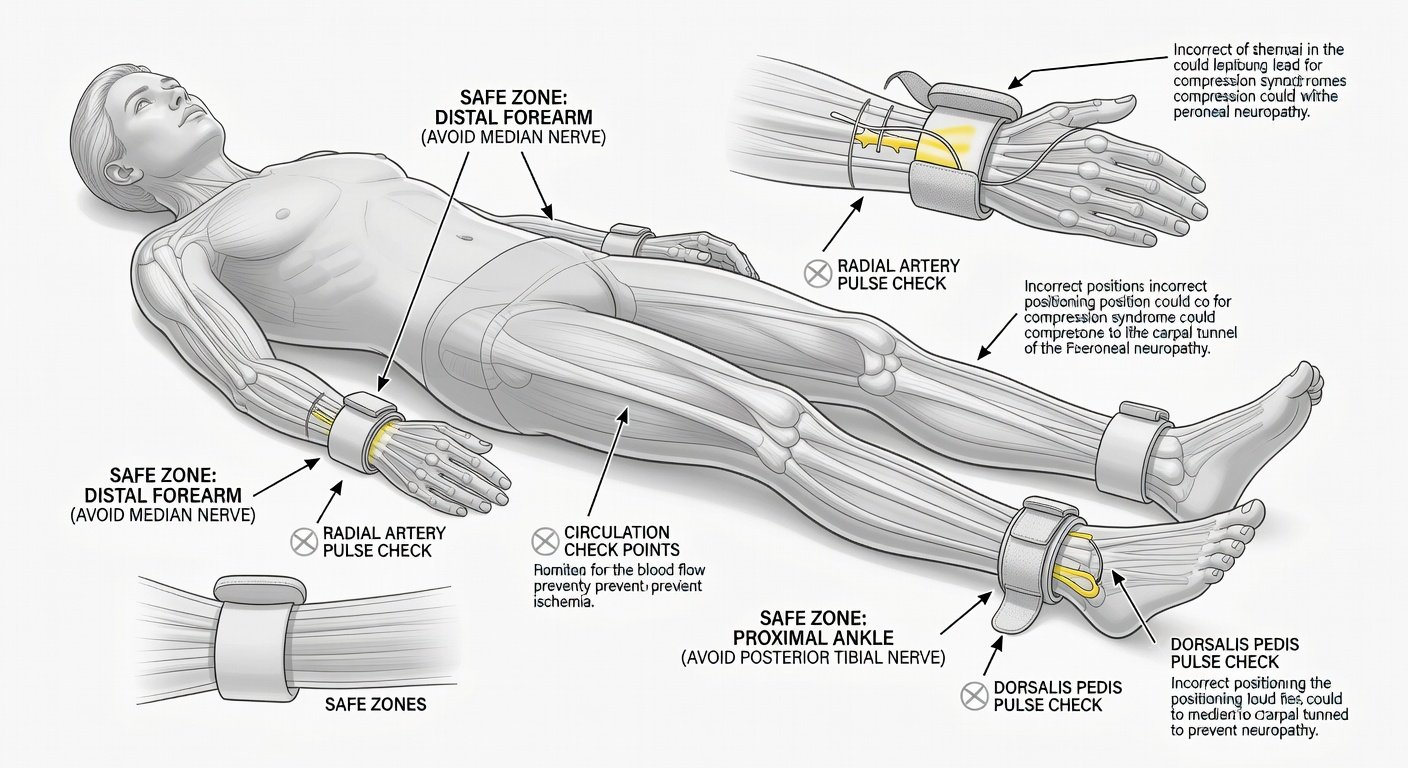
Additional tips include testing all equipment beforehand for wear and tear. Use carabiners or quick-release clips rather than knots that may tighten unexpectedly. Ensure the bound person can shift weight comfortably without full suspension unless advanced training is complete.
Real-Time Monitoring Strategies
Establish both verbal safe words and non-verbal signals such as hand squeezes or specific gestures. Conduct verbal check-ins every five minutes, asking simple questions about comfort and sensation. Watch breathing patterns, facial expressions, and body tension for subtle cues of distress.
Keep essential supplies like water, blankets, and a first-aid kit containing bandages, antiseptic wipes, and cold packs immediately available. Record session observations afterward to refine future practices and identify patterns that require adjustment.
Choosing Appropriate BDSM Tools for Safety
Select tools made from body-safe materials such as silicone, leather, or medical-grade stainless steel. Inspect each item for sharp edges, loose parts, or degradation before every use. Beginners benefit from starter kits that include adjustable items rather than rigid high-intensity tools.
Store equipment properly in clean, dry conditions to prevent bacterial growth. Replace worn items regularly. Consider investing in educational resources or workshops focused on tool-specific techniques to build competence gradually.
Low-Risk Versus High-Risk Practices Comparison
- Low-risk: Light hand spanking on well-padded areas combined with quick-release Velcro cuffs and constant verbal check-ins.
- Medium-risk: Moderate flogging after a thorough warm-up, using wide cuffs on supported limbs with a dedicated spotter present.
- High-risk: Heavy caning directly on bony structures without warm-up, intricate rope suspension without anatomical training, or extended bondage without circulation monitoring.
- Transition strategy: Master low-risk activities for several sessions before advancing, always incorporating feedback loops between partners.
Practical Examples of Safe Sessions
Example 1 involves a 45-minute impact-focused scene. Partners negotiate limits first, then begin with five minutes of light hand warm-up on the thighs. A soft flogger follows with strikes alternated between buttocks and upper back. The recipient remains bent comfortably over a padded bench with easy access to release mechanisms. Check-ins occur every seven minutes, and the scene ends with gradual cool-down strokes.
Example 2 demonstrates restraint play lasting one hour. Wide padded cuffs secure wrists and ankles to a bed frame with generous slack. Pillows support the lower back and knees. The dominant monitors pulse and color every four minutes while allowing position shifts. The session concludes with immediate release and extended aftercare including hydration and gentle massage.
Aftercare and Emotional Well-being
Aftercare begins immediately after the scene ends. Provide water, warmth, and quiet space for processing. Discuss emotional responses within the first hour when possible. Schedule follow-up conversations the next day to address any delayed feelings.
Recognize that aftercare needs vary; some prefer physical closeness while others require solitude. Prepare a dedicated aftercare kit with snacks, soothing lotions, and comfort items tailored to individual preferences.
Common Mistakes to Avoid
- Ignoring gradual warm-ups before intense impact, leading to unnecessary bruising.
- Using improvised restraints that lack quick-release features.
- Skipping post-session check-ins, which allows emotional distress to go unaddressed.
- Overlooking hydration and rest breaks during extended activities.
- Failing to inspect tools regularly for safety defects.
Recognizing Early Warning Signs: FAQ
What are early signs of circulation problems during restraint?
Numbness, tingling, pale or bluish skin, and cold extremities require immediate release and gentle movement to restore blood flow.
How can emotional distress appear during a scene?
Sudden withdrawal, inconsistent responses to safe words, or visible anxiety signals the need to pause and reassess consent.
When should impact play be stopped?
Stop at any sign of excessive swelling, open skin, dizziness, or when a safe word is used, regardless of the planned duration.
What indicates improper body positioning?
Complaints of joint pain, muscle cramps, or difficulty breathing point to repositioning needs right away.
How soon after a session should aftercare begin?
Aftercare should start within minutes of ending the activity to support both physical recovery and emotional stability.
Conclusion
Mastering these BDSM safety essentials transforms kink play into consistently secure and fulfilling experiences. Consistent application of prevention techniques, positioning awareness, monitoring habits, and thorough aftercare builds lasting trust between partners. Continue expanding knowledge through reputable sources like Planned Parenthood sexual health guides, WHO health fundamentals, and Mayo Clinic injury care information for ongoing education and skill development.


No comments yet. Be the first!